Foam in Shipbuilding Industry

  1. Home
  2. >
  3. Applications
  4. >
  5. Foam in Shipbuilding Industry
Shipbuilding industry

Shipbuilding industry

Foam is considered one of the most widely used materials in the shipbuilding industry because it is both lightweight and durable, and also offers high performance against moisture and impact. From insulating various parts of a ship to the safety of floorings and foam bumpers, this material plays a vital role in increasing the durability, safety, and comfort of marine spaces. On this page, you can learn about various types of foam suitable for marine and industrial applications and easily place your bulk order.

Consulting and ordering

Order from the foamiran factory

Full Container Load (FCL)

Air Freight

Truck Load (FTL – LTL)

Guaranteed

Express delivery

7 Days, 24 Hours

Shipbuilding Industry

Foam is commonly used in various marine applications, from engine insulation and sound absorption to constructing boat seats. Moreover, it has buoyancy capabilities and offers a multitude of distinct features.

For buoyancy applications, closed-cell foams are the most effective types of foam to use. Closed-cell foam is stronger and more stable than open-cell foam, and it resists water and air leakage better. Closed-cell foam is highly suitable for marine applications, particularly buoyancy.

Buoyancy foams are customizable in size, shape, and color through molding, vertical and horizontal cutting.

Properties of Foam Products in the Shipbuilding Industry

Very lightweight
Heat and cold insulation
Sound insulation
High durability and longevity
Water-resistant
Resistant to mold and bacteria

of Foam Products in the Shipbuilding Industry introduction video

Characteristics of EVA Buoyancy Foam

The EVA buoyancy foam is recognized for its exceptional buoyancy and distinctive traits which consist of.

Lightweight

EVA’s lightweight is due to thousands of small interconnected bubbles.

Thermal Insulation

EVA foam prevents pipes from freezing in winter and protects floating pipes in colder temperatures. Additionally, it serves as a shield against heat transfer to insulated spaces during hot seasons.

Sound Insulation

By using EVA foam, the sound of boat and ship engines is prevented from entering the cabin, and it also prevents the sounds generated in the vessels from being transmitted to the water, which could harm marine life. Therefore, the hulls of ships and boats are insulated using EVA foam.

High Durability

Higher quality foams result in a more extended product life. These foams are resistant to seawater, oils, acidic and alkaline substances, and other chemical materials.

Water Resistance

Materials utilized in marine buoyancy applications should resist hydrolysis, that is, they should not easily decompose when submerged in water.

Mold and Bacteria Resistance

EVA foam’s closed-cell structure makes it indispensable in buoyancy applications related to water because it doesn’t foster the development of mold and bacteria.

EVA Foam’s Uses in the Shipbuilding Industry

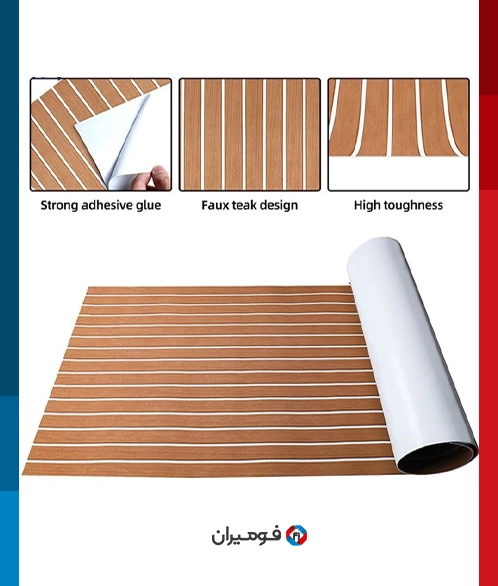
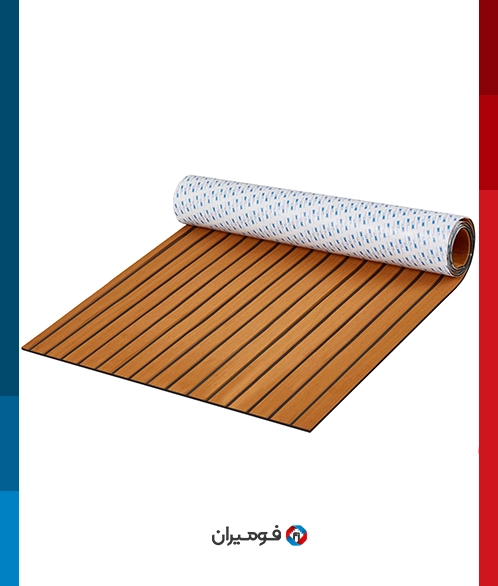
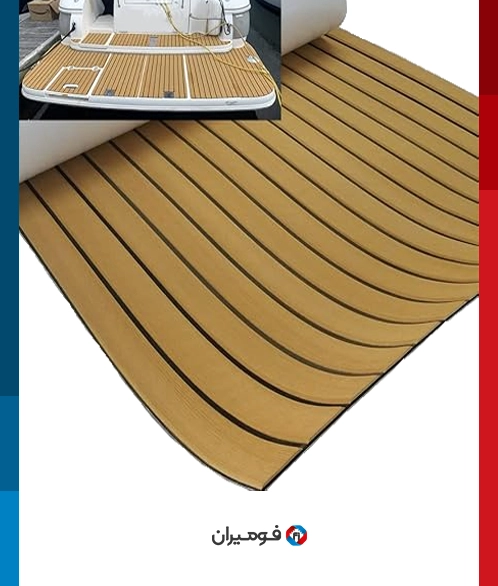
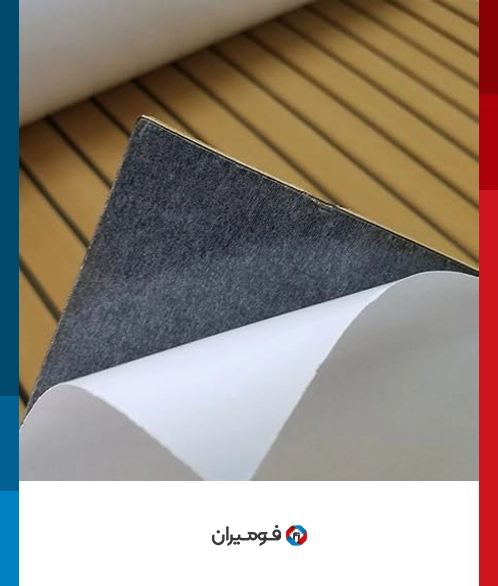
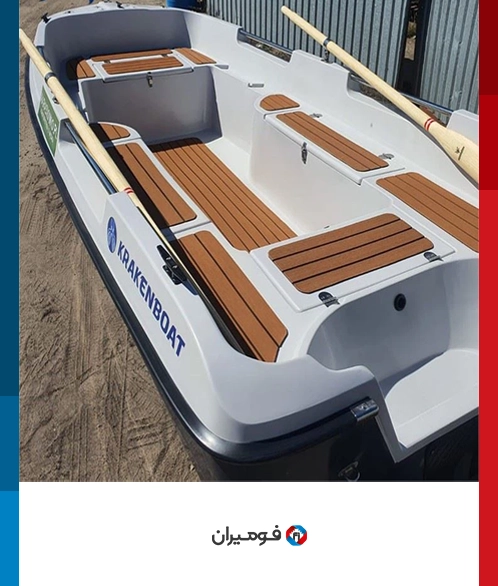
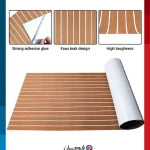
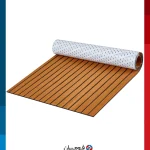
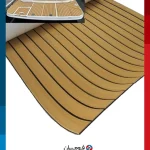
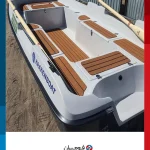
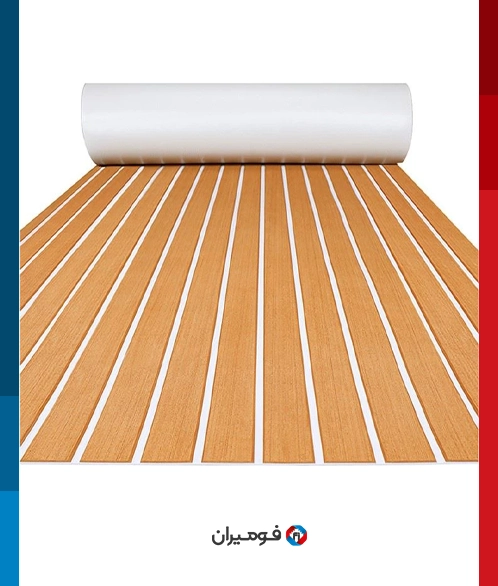
EVA is a closed-cell foam type that prevents slipping on decks and covers various surfaces on the vessel, such as boat and ship hulls. EVA foam is popular because it doesn’t absorb water.

Docks also make extensive use of EVA foams. Dock edges are protected from boat and ship hull damage by installing them in desired dimensions and sizes.

In case of emergency, EVA foams serve as a flotation device. The buoyancy foam slows the sinking speed significantly if a vessel is punctured and water enters. The buoyancy foam usually allows for enough time to rescue or reach the shore before the boat sinks. When there is sufficient foam on the ship, it can prevent total sinking and safeguard the lives and possessions of those on board.

Frequently Asked Questions

Why is foam a widely used material in the shipbuilding industry?

Foam is a preferred material in shipbuilding because it is lightweight, durable, and highly resistant to moisture, impact, and mold growth. It is particularly valued for its buoyancy capabilities, which are crucial for marine applications.

What types of foam does Foamiran produce for marine applications?

Foamiran manufactures marine-grade polyethylene (PE), EVA (ethylene-vinyl acetate), and Neoprene (CR) foams. These are typically closed-cell foams, which do not absorb water and are resistant to damage from the elements, making them ideal for shipbuilding.

What are the primary applications of foam in shipbuilding?

Foam serves a variety of critical functions, including:

  • Buoyancy and Safety: Used as a flotation core in life jackets and as a buoyancy aid to prevent or slow a vessel from sinking.
  • Insulation: Provides effective thermal and acoustic insulation for engines, cabins, and hulls.
  • Protection: Acts as shock-absorbing fenders on docks and bumpers on the sides of ships to prevent collision damage.
  • Flooring: Used for non-slip and shock-absorbing deck and cabin flooring.
  • Sealing: For gaskets and seals that prevent water leakage.
How does foam contribute to the safety of a vessel?

Foam significantly enhances safety by acting as a flotation device in case of an emergency. If a vessel is damaged or takes on water, the foam can greatly slow down the sinking process, providing valuable time for rescue operations.

Is Foamiran's marine-grade foam resistant to seawater and oils?

Yes. The closed-cell foams used by Foamiran for marine applications, such as EVA and Neoprene, are highly resistant to seawater, oils, acids, and alkaline substances. This chemical resistance ensures the foam’s integrity and performance in the harsh marine environment.

Does foam in shipbuilding help with noise reduction?

Yes, foam is an excellent sound insulator. It is used to dampen engine noise from entering the cabin, creating a quieter and more comfortable environment for passengers and crew. This also helps reduce sound pollution that can harm marine life.

How can I purchase foam for shipbuilding from Foamiran?

To order foam for shipbuilding or request custom services, you can fill out the product order form on the Foamiran website. You can also contact the company’s sales experts directly. Our team is ready to provide specialized consultation and register your order to ensure you receive the best solution for your specific needs.

Related products

Leave a Reply

Your email address will not be published. Required fields are marked *

Fill out this field
Fill out this field
Please enter a valid email address.