Polyethylene Foam (PE)
Consulting and ordering
Order from the foamiran factory

What is Polyethylene Foam (PE)?
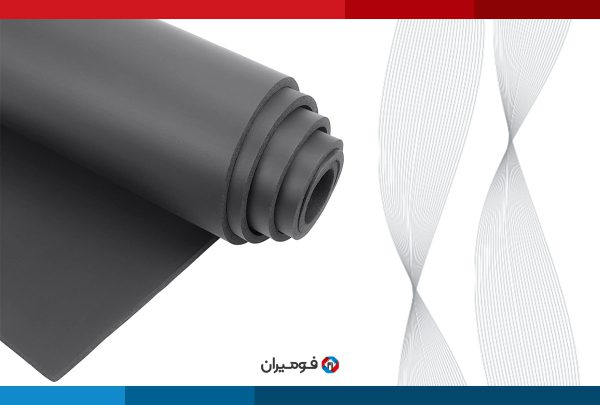
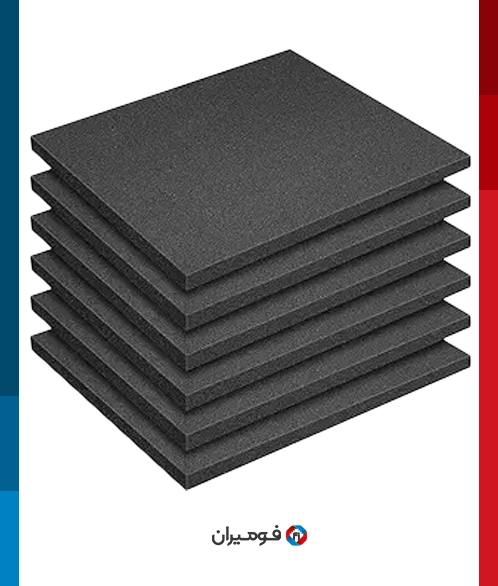
Polyethylene Foam (PE) is a polymeric material with a closed-cell structure, obtained through the polymerization of ethylene monomers. Due to its unique properties, including lightweight, high flexibility, resistance to water and chemicals, and thermal insulation characteristics, this foam has become one of the most widely used materials in various industries. The closed-cell structure of PE foam means that its cells are individually enclosed, preventing water and air from penetrating the foam. This feature allows PE foam to act as an effective barrier against moisture and heat. The production process of this foam involves injecting gas into molten ethylene polymer, resulting in the formation of fine bubbles and creating a porous yet closed structure. These small bubbles, while maintaining the foam’s integrity, provide cushioning and shock-absorbing properties. In manufacturing industries, a precise understanding of the nature of PE foam and its properties is a fundamental step in selecting the right material for specific applications. Foamiran, by utilizing modern knowledge and advanced technologies, produces and supplies PE foam with guaranteed quality in accordance with international standards.
PE foam products
Technical Data
Click on the opposite link to download the technical information of PE foam.
Features of Polyethylene Foam (PE)
Polyethylene Foam (PE) Product Introduction Video
Types of Polyethylene Foam (PE)
Polyethylene Foam (PE), depending on density, production method, and physical properties, is produced and supplied in various types. Understanding these types is essential for selecting the right product tailored to the specific needs of each industry. Foamiran, as a leading supplier, offers a wide range of PE foams to meet the diverse needs of its industrial customers. The main types of PE foam include:
- Low-Density Polyethylene Foam (LDPE Foam): This type of foam has lower density, making it very soft and flexible. LDPE foam is mainly used for packaging sensitive products, sound insulation, and cushioning applications. Its high flexibility allows it to easily adapt to different product shapes, providing maximum protection.
- Medium-Density Polyethylene Foam (MDPE Foam): This foam lies between LDPE and HDPE, offering a balance between softness and rigidity. MDPE foam is suitable for applications requiring medium resistance to impact as well as flexibility.
- High-Density Polyethylene Foam (HDPE Foam): HDPE foam has higher density, which gives it greater hardness and resistance to impact and abrasion. This type of foam is mainly used in structural applications, rigid insulation, and packaging of heavy and industrial products. Its high resistance to pressure and crushing makes it ideal for use in demanding industrial conditions.
- Cross-linked Polyethylene Foam (XLPE Foam): This type of foam is produced through a chemical or radiation process that creates cross-links between polymer chains. These cross-links enhance the foam’s mechanical strength, dimensional stability, and thermal resistance. XLPE foam is used in specialized applications such as automotive parts, sports equipment, advanced insulation, and construction industries. Its superior properties include higher resistance to tearing and tension as well as better formability.
- Non-cross-linked Polyethylene Foam: This type of foam is produced without cross-linking and is generally softer and more flexible. Non-cross-linked PE foam is used in more general applications such as regular packaging, thermal insulation, and sound insulation where lower mechanical resistance is required.
Foamiran, by providing expert consultation, helps you select the most suitable type of polyethylene foam based on the specific needs of your industry.
Applications of Polyethylene Foam (PE)
Due to its unique properties, Polyethylene Foam (PE) is used in a wide range of industries and industrial applications. The multifunctional capabilities of this foam make it a key component in many manufacturing and service processes. Below, we will explore the most important applications of PE foam in various industries:
- Packaging Industry:PE foam, due to its excellent cushioning properties and impact resistance, is an ideal material for packaging sensitive and fragile products. This foam can be used as a shock absorber in boxes, a liner for bags, and a protector for sharp edges of products. Products that can be packaged with PE foam include electronics, automotive parts, glassware, medical equipment, and artwork. This foam can also be used for packaging products with irregular and complex shapes.
- Construction Industry: In the construction industry, PE foam is used as thermal and acoustic insulation in walls, ceilings, floors, and pipes. Its resistance to moisture also makes it an effective vapor barrier. This foam is also used in sealants, sealing tapes, and expansion joints in concrete pouring. The use of PE foam in buildings helps improve energy efficiency and enhance residents’ comfort.
- Automotive Industry: In the automotive industry, PE foam is used in the production of interior car parts such as seat covers, dashboards, and door panels. It is also applied as thermal and acoustic insulation in cars and for reducing vibration and shocks in various areas. Its impact absorption property is also used in the production of bumpers and safety protectors.
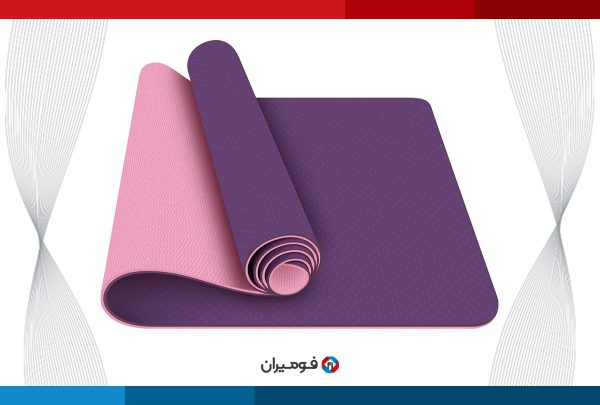
- Sports and Recreation Industry: Due to its shock absorption and lightweight properties, PE foam is used in the production of sports equipment such as gym mats, body protectors, life jackets, and helmets. This foam helps athletes protect themselves from injuries caused by impacts and falls.
- Home Appliance Industry: In the production of home appliances, PE foam is used as thermal insulation in refrigerators, freezers, and stoves. It is also used in the packaging of these products to prevent damage during transportation.
- Agriculture Industry: In agriculture, PE foam is used in the construction of greenhouse equipment, protective plant covers, and insulation of irrigation systems. Its resistance to moisture and weather conditions makes it suitable for these applications.
- Footwear and Leather Industry: In the production of shoes and leather products, PE foam is used as a middle layer to increase comfort and absorb shock in shoe insoles, as well as in the construction of internal components of bags and backpacks.
- Medical and Orthopedic Equipment: Due to its non-toxic and flexible properties, PE foam is used in the production of certain medical equipment such as prosthetics, orthotics, and supportive cushions for patients.
Foamiran, with a deep understanding of the needs of various industries, offers polyethylene foam in different sizes, thicknesses, and densities to provide the best solution for your specific application. Our experts are ready to guide you in selecting the right product and maximizing the benefits of PE foam.
Advantages of Polyethylene (PE) Foam
The use of Foamiran polyethylene (PE) foam in industries and factories offers numerous benefits that lead to improved performance, reduced costs, and increased efficiency. These advantages make PE foam a smart choice for any production manager or industrialist:
- Cost Savings: PE foam, due to its lightweight and ease of installation, reduces transportation and labor costs. In addition, its thermal insulation properties lower energy consumption in heating and cooling systems. Its high resistance to water and chemicals also increases product longevity and reduces the need for early replacement, ultimately resulting in significant long-term cost savings.
- Long Lifespan and High Durability: Polyethylene foam has excellent resistance to environmental factors such as moisture, UV radiation (when stabilizers are added), and chemicals. This feature ensures a long service life, even under harsh industrial conditions. The durability of PE foam makes it a reliable investment for industrial applications.
- Impact and Vibration Resistance: The closed-cell structure of PE foam makes it an ideal material for absorbing shocks and vibrations. This property is crucial in packaging sensitive products and in insulating industrial machines that generate vibrations. By absorbing impact energy, PE foam helps prevent damage to products and equipment.
- Non-Toxic and Safe: Polyethylene foam is generally non-toxic and odorless, making it safe for use in various environments, including sensitive areas such as the food and pharmaceutical industries (when relevant standards are met). This property reduces health concerns for workers and end consumers.
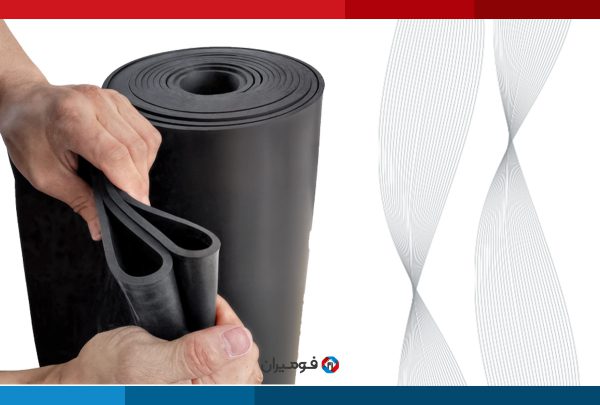
- Easy Cutting and Formability: Due to its flexibility and structure, PE foam can be easily cut, drilled, and shaped with simple tools. This feature allows the production of components in different shapes and sizes, speeding up the manufacturing process. Its high machinability enables industries to cut and assemble foam precisely according to designed requirements.
- Resistance to Bacteria and Fungi: Since PE foam does not absorb water and does not provide a suitable environment for microorganism growth, it is resistant to bacteria and fungi. This property is particularly important in applications where hygiene and cleanliness are critical, such as hospitals, laboratories, and the food industry.
Frequently Asked Questions
What is PE Foam?
PE Foam (Polyethylene Foam) is a type of closed-cell foam produced by polymerizing ethylene. Due to its chemical and physical structure, this foam has outstanding properties that make it suitable for a wide range of applications.
What are the main features of PE Foam?
PE foam is a highly versatile material due to the following properties:
- Lightweight: Helps reduce the overall weight of the product.
- High resistance to moisture and water: Nearly impermeable to water due to its closed-cell structure.
- Excellent shock absorption: Effectively absorbs shocks and vibrations.
- Effective thermal and acoustic insulation: Helps control temperature and reduce sound transmission.
- Good chemical resistance: Resistant to many acids, alkalis, and solvents.
- Durability and long lifespan: Resistant to wear and environmental factors.
- Flexibility: Allows for easy shaping and cutting.
- Hygienic and non-toxic: Safe for many applications.
What are the applications of PE Foam in various industries?
Due to its diverse properties, PE foam has a wide range of applications across different industries:
- Packaging Industry: Shock absorbers and protective molds for sensitive, electronic, glass, and mechanical goods.
- Construction Industry: Thermal and acoustic insulation for walls, floors, ceilings, and pipes; underlayment for parquet (silent foam) and carpets.
- Automotive Industry: Gaskets, seals, thermal and acoustic insulation, and protective pads.
- Sports and Recreation: Sports mats, protective pads in sports equipment, and certain parts of kickboards.
- Footwear Manufacturing: Used in some parts of insoles and outsoles.
- Agriculture: Packaging for fruits and agricultural products.
- Military Industry: Packaging of sensitive equipment and certain protective structures.
What is the main difference between PE foam and EVA foam?
While both PE foam and EVA foam are polyolefins and share common features, EVA foam is generally more flexible, softer, and has higher elasticity. In contrast, PE foam is harder and more resistant to abrasion, making it more suitable for insulation and shock absorption applications that require greater strength.
In what forms, sizes, and thicknesses is PE foam available?
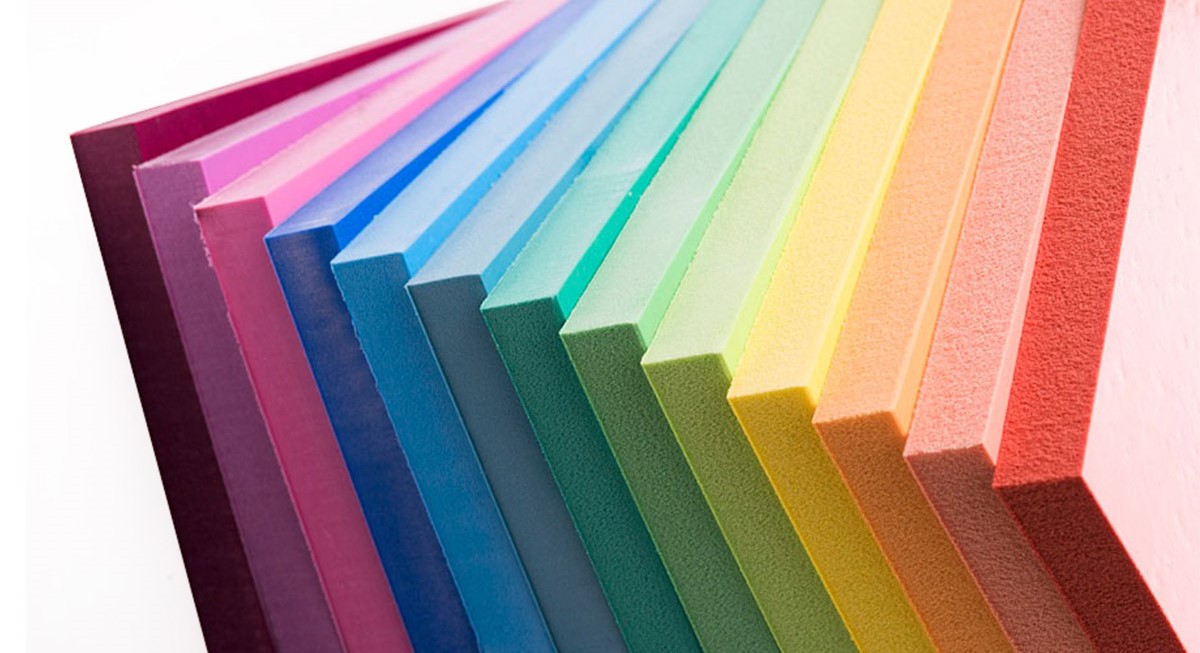
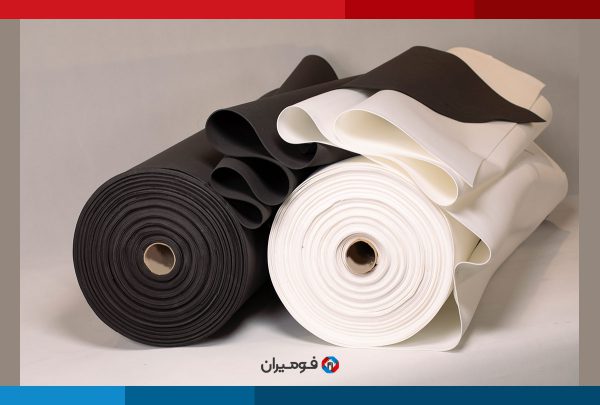
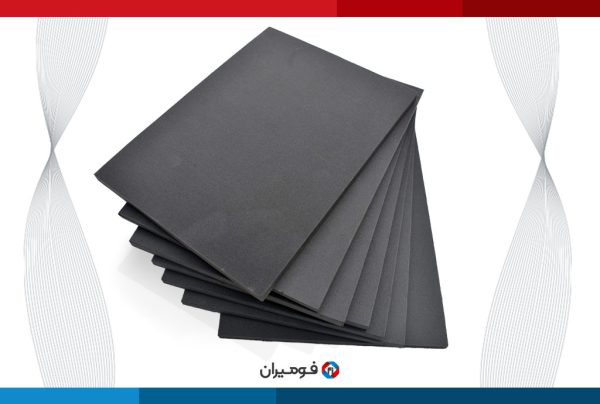
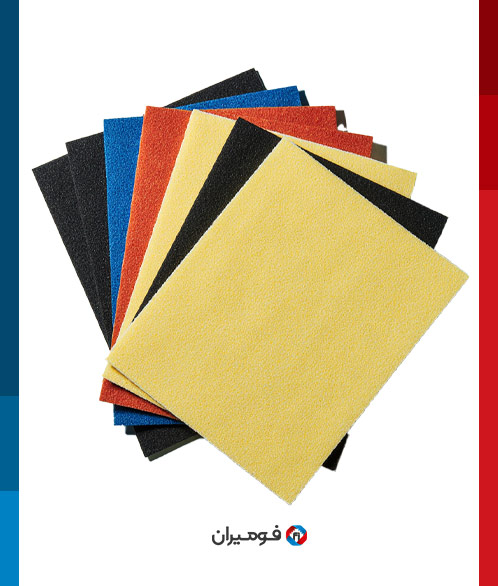
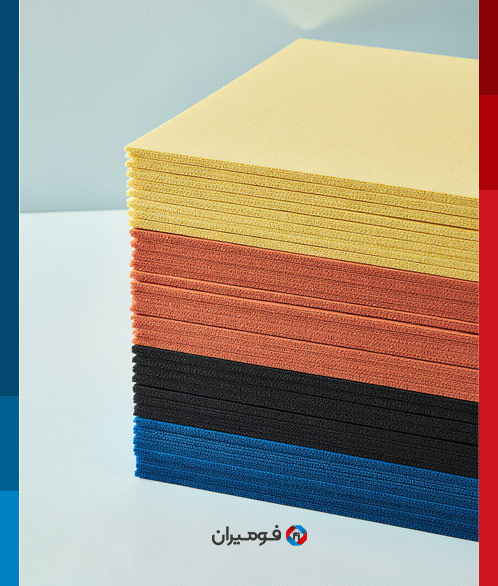
PE foam can be produced in various forms, including sheets, rolls, tapes, and custom-cut or molded pieces. Foamiran offers these products in a wide range of thicknesses, densities, and colors to meet the diverse needs of different industries.
How can I order the PE foam I need from Foamiran?
To order PE foam in sheet, roll, or custom-cut forms with your required technical specifications, you can contact our sales experts through the phone numbers provided on the Foamiran website. We are ready to provide professional consultation and process your order.