foam in Automotive industry

  1. Home
  2. >
  3. Applications
  4. >
  5. foam in Automotive industry
Automotive industry
Automotive industry
Automotive industry
Automotive industry
Automotive industry
Automotive industry
Automotive industry

Automotive industry

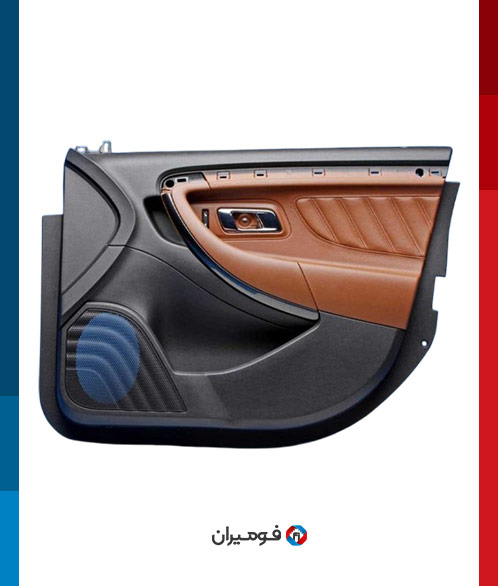
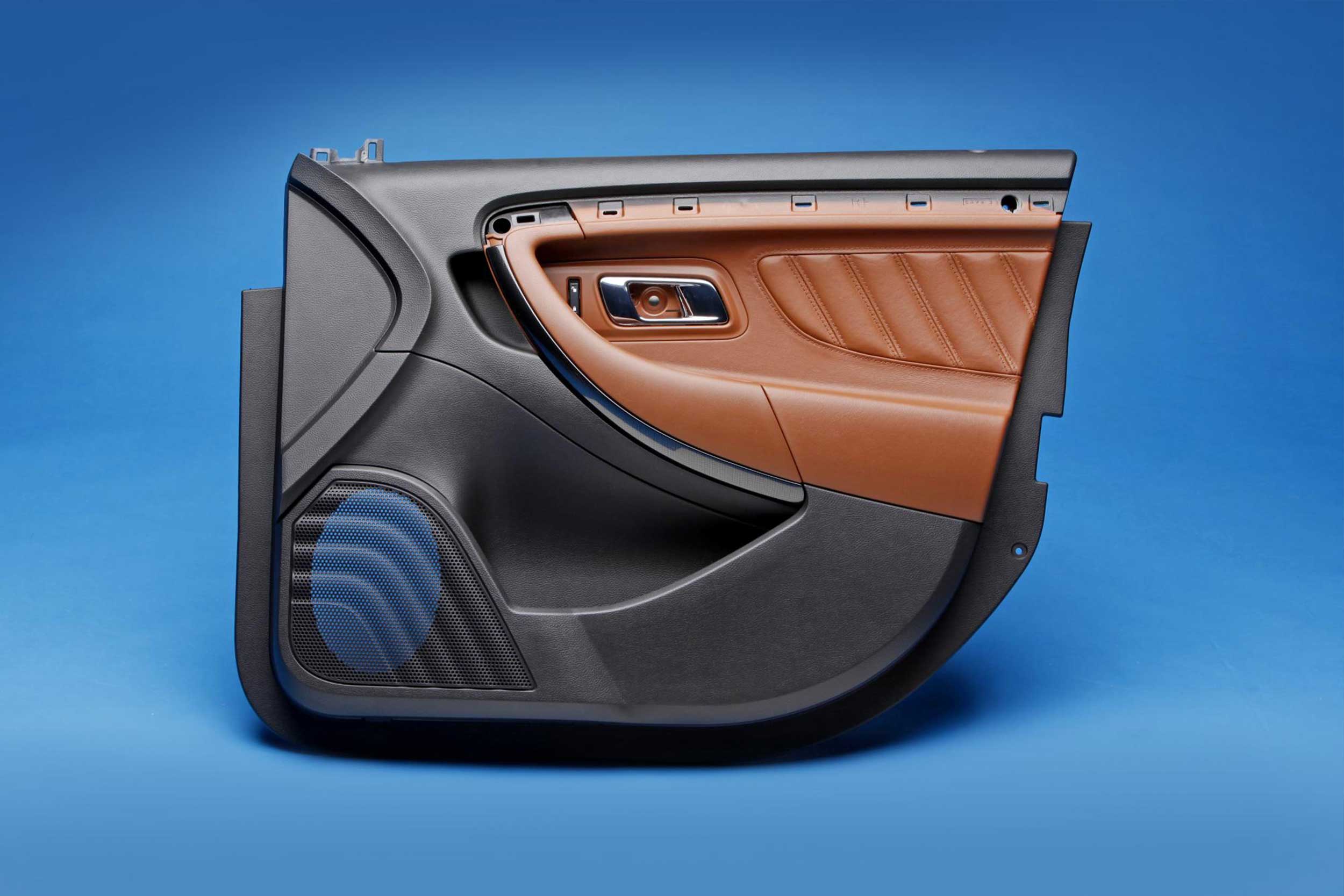
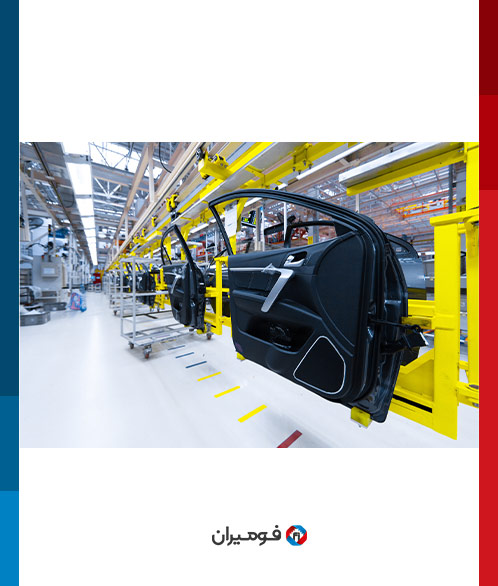
Automotive foam is a specialized, lightweight material used in vehicles to enhance comfort, safety, thermal and acoustic insulation, and to help reduce fuel consumption. Applied in various components, these foams play a key role in shock absorption, vibration damping, and noise control, thereby improving occupant comfort and safety.

Consulting and ordering

Order from the foamiran factory

Full Container Load (FCL)

Air Freight

Truck Load (FTL – LTL)

Guaranteed

Express delivery

7 Days, 24 Hours

foam in Automotive industry

EPDM is an artificial rubber and elastomer that is flexible and has many properties and functionalities. This material produces foam that has rubber-like properties and can withstand polar fluids, hot water, steam, UV rays, ozone, and severe weather conditions. Its properties make it highly useful in outdoor settings, particularly in the automotive sector.

Properties of Foam Products in the Automotive Industry

High impact resistance
Dustproof
Sound insulation
Cold and heat insulation
High flexibility

Automotive Foam Products introduction video

Features of Automotive Foam

Noise and Vibration Reduction: EPDM automotive foam can dampen vibrations and reduce the transmission of vibrations and noise from the engine compartment, exterior, and road surface into the cabin. It increases the comfort of those inside the vehicle.

Waterproofing: EPDM foam’s waterproof nature makes it ideal for sealing various parts of the vehicle, such as around lights, windows, and as washers for interior components. This effectively stops water from entering or infiltrating these areas.

Environmental Resistance: EPDM foam exhibits excellent resistance to polar fluids, hot water, steam, ultraviolet radiation, and ozone. Thus, it remains durable and reliable even in harsh outdoor conditions.

Chemical Resistance: Automotive EPDM foam shows good resistance to organic fluids and water, making it suitable for use in components exposed to such substances.

Heat Resistance: EPDM foam can withstand extreme temperature fluctuations, making it suitable for various areas in the vehicle, including brakes and batteries, where temperatures can vary significantly.

Longevity: The excellent physical properties of EPDM contribute to the foam’s long service life compared to other materials used in automotive applications.

Applications of Automotive EPDM Foam:

  • Rubber channels for automotive windows and windshields.
  • Automotive hoses and washers.
  • Water sealing components.
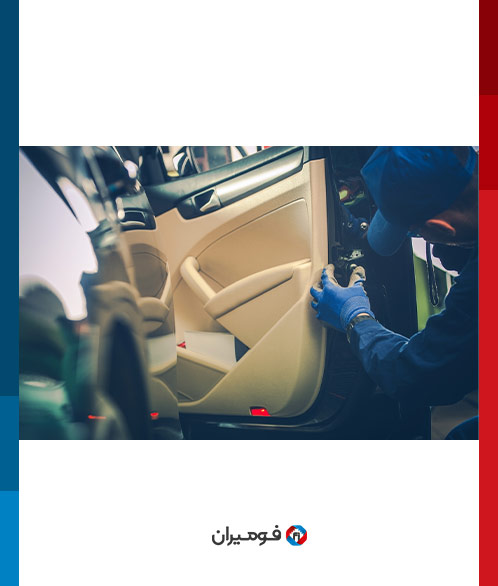
  • Door seals.
  • EPDM sheets as waterproof membranes for automotive roofs.

Foam in the Automotive Industry

The automotive industry is evolving quickly, and there is a high demand for innovative products. Foam manufacturing companies like Foamiran can tailor their products to match customer requirements, providing effective solutions to enhance vehicle performance and quality.

Automotive Foam

Frequently Asked Questions

Why are foam products used in the automotive industry?

Foam is a key material in the automotive industry because it helps to reduce noise and vibration, provides effective sealing against water and air, and offers thermal insulation. This contributes to a quieter, more comfortable, and more durable vehicle.

What types of foam are most suitable for automotive applications?

EPDM foam (Ethylene Propylene Diene Monomer) is particularly suitable for automotive use. It’s a synthetic rubber elastomer known for its high resistance to polar fluids, hot water, steam, UV rays, ozone, and severe weather conditions. It’s also flame-resistant and provides good chemical stability. EPDM/NBR foam is also used for applications involving contact with fuel and oils.

What are the key properties of automotive-grade foam?

Automotive foams possess several key features:

  • Noise and Vibration Reduction: They absorb vibrations and prevent noise from entering the cabin.
  • Waterproofing: They act as an effective barrier against air and water.
  • Durability: They are resistant to direct sunlight, extreme heat and cold, and a wide range of chemicals.
  • Flexibility: They are highly flexible and can be easily shaped to fit different vehicle parts.
What are the main applications of foam in vehicles?

Foam is used in various parts of a car, including:

  • Sealing: For doors, windows, trunks, and headlights to prevent leaks.
  • Insulation: Providing thermal and acoustic insulation in the roof, dashboard, and floor.
  • Hoses and Gaskets: In the engine and fluid transfer systems.
  • Vibration Dampening: In various panels to reduce noise and rattling.
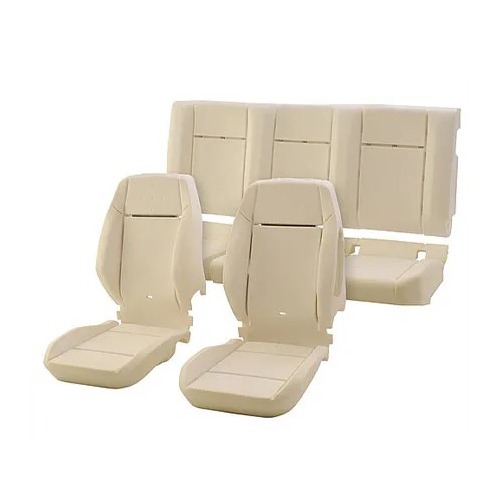
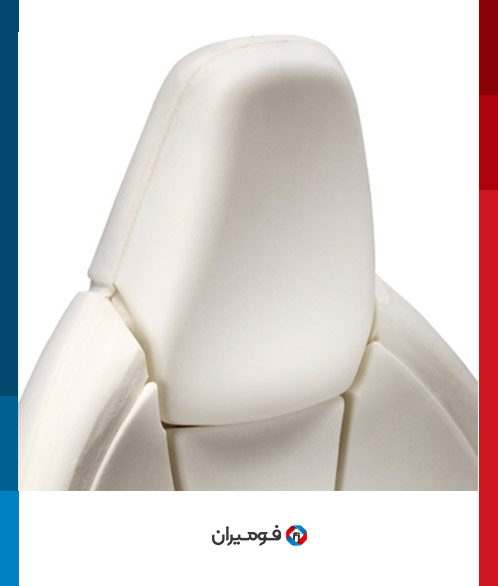
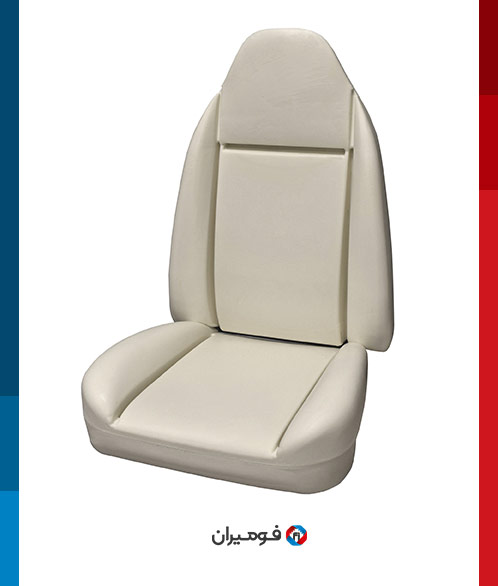
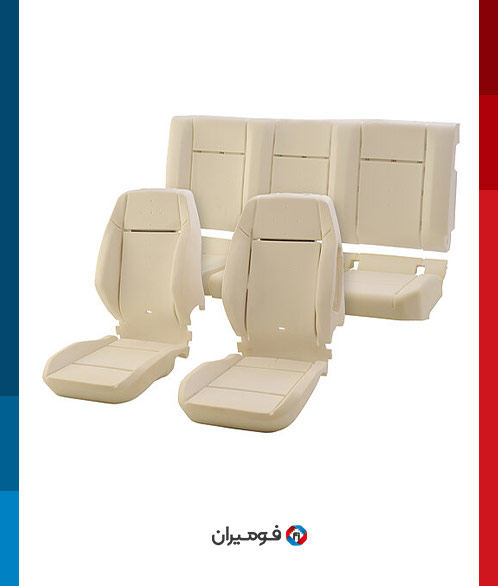
  • Interior Components: In seats and other parts to enhance comfort.
How do these foams resist damage from extreme temperatures and weather?

Automotive foams, especially EPDM, are engineered to have high thermal stability and resistance to UV rays and ozone. This means they will not crack or degrade when exposed to direct sunlight, heavy rain, or extreme temperature fluctuations, ensuring a long lifespan.

Does Foamiran offer custom foam products for the automotive industry?

Yes. Foamiran can customize its foam products to meet the specific requirements of the automotive industry. This includes producing foam in various dimensions, thicknesses, and densities, and offering specialized services to create parts like custom washers, seals, and insulators.

How can I purchase foam products for the automotive industry from Foamiran?

To order foam for automotive applications, you can fill out the product order form on the Foamiran website. You can also contact the company’s sales experts directly. Our team is ready to provide specialized consultation and register your order to ensure you receive the best solution for your specific needs.

Related products

Leave a Reply

Your email address will not be published. Required fields are marked *

Fill out this field
Fill out this field
Please enter a valid email address.