Laminate flooring underlayment

Foamiran provides a diverse range of foam products tailored for the construction industry, emphasizing innovation and quality. These materials are integral for applications such as thermal and acoustic insulation, roofing, and flooring underlayment. The products are valued for their durability, light weight, and resistance to moisture and chemical agents, offering efficient and long-lasting building solutions.
Order from the foamiran factory
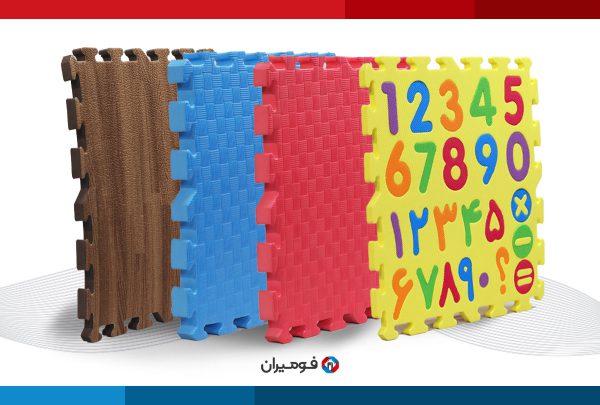
The construction industry finds foam useful for a variety of applications because of its diverse properties. Foam is light and long-lasting, and some kinds have waterproofing and thermal insulation qualities. Standard EVA foam can be found in various densities and is commonly utilized in a broad spectrum of industries.
EPDM foam is a well-known type of foam used in construction, also called Ethylene Propylene Diene Monomer foam. This foam has a closed-cell structure and is highly flexible, soft, and elastic, making it perfect for waterproofing in different applications. The lightweight, appropriate density, and easy installation of EPDM foam make it the preferred material for roof installations.
EPDM foam has a long lifespan, is tear-resistant, and is resistant to flames. It withstands chemicals and temperature changes, resists water, and dampens vibrations. This foam is highly durable and an excellent choice for flat roofs and low-slope roofs, given its excellent resistance to sunlight. Its weather resistance is superior against harsh conditions such as extreme heat, cold, ozone, pollution, and UV radiation.
EPDM foam is versatile in construction and can be used for specialized applications such as intricate waterproofing like foam washers for plumbing. A common use for it is as a membrane in curtain walls, providing water and moisture protection for buildings. EPDM foam can be used to make flat surfaces between walls and ceilings waterproof and create smooth edges. Due to this, it has gained popularity in the construction industry.
EPDM isn’t the only option available if you’re seeking construction foam. High-density EVA foam serves as a superb insulator and is frequently utilized in the walls, floors, and ceilings of residential properties. To retain indoor heat and prevent cold air from entering, closed-cell foam is highly recommended for insulation. Additionally, it’s highly adaptable and can be conveniently utilized in specific areas of the house. This foam is often the insulation standard for modern, intelligent, and energy-efficient homes.
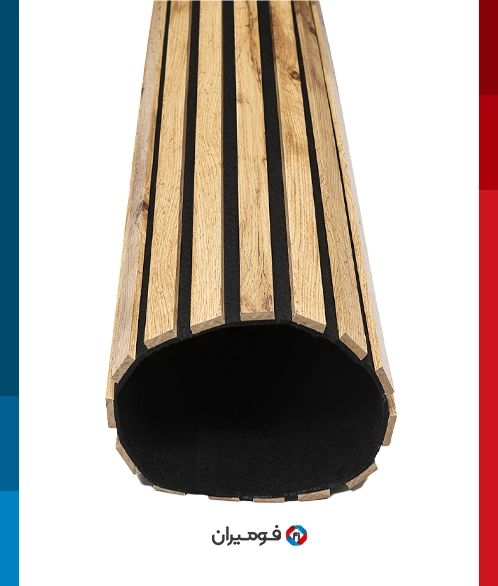
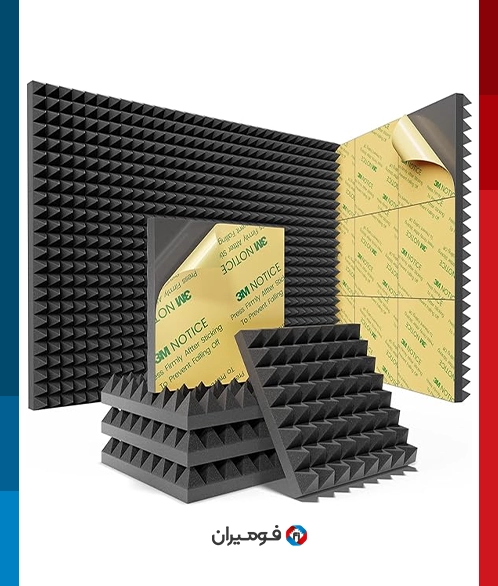
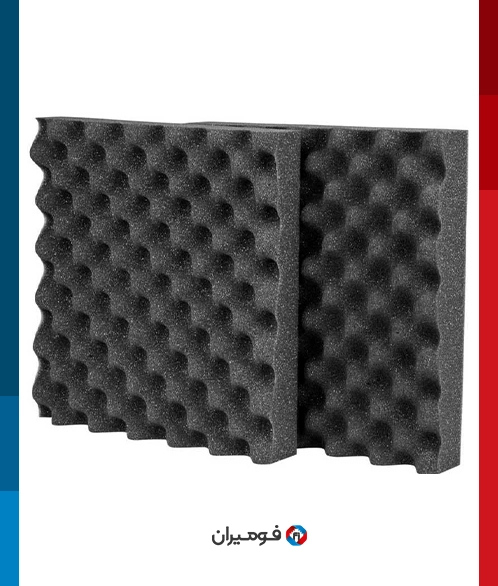
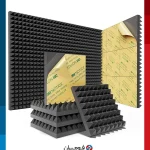
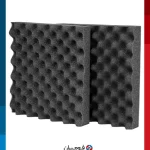
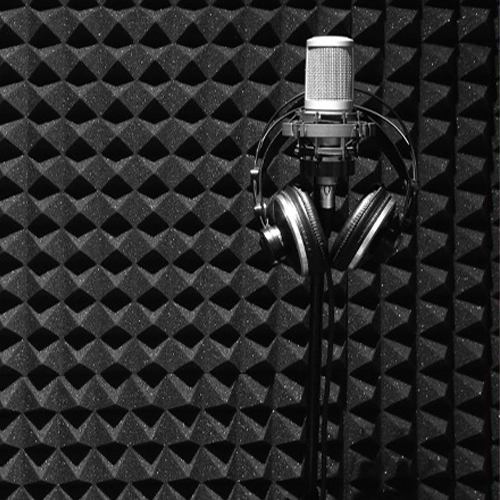
Soundproofing foam is another type of foam used in the construction industry. Placed between plasterboard and walls, this high-density foam is used to reduce noise. It is used in common areas between residential buildings in apartments and covers specific surfaces. New and modern buildings worldwide must legally have sound insulation.
As an insulator, Polyurethane Foam is used to cover gaps and holes and serves as a valuable barrier against uncontrolled air infiltration, drafts, moisture, and sound.
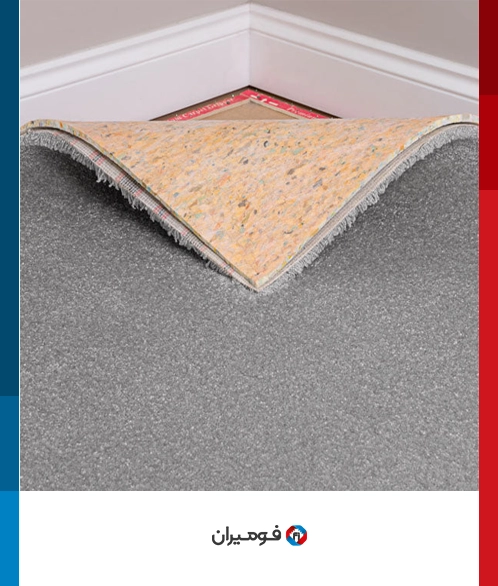
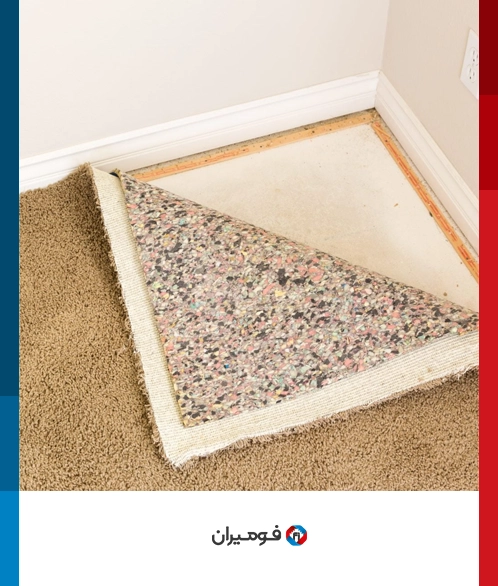
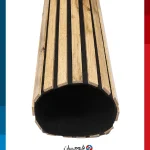
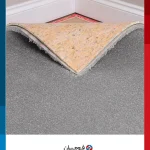
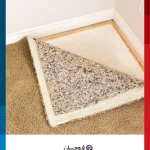
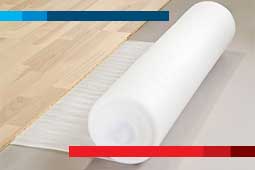
EVA Silent Parquet Foam is cost-effective, easy to install, and provides good sound insulation, which makes it the best choice for subflooring for parquet and laminate flooring. Some features are:
Foam is a versatile material that is highly valued for its properties. It is lightweight, durable, and provides excellent waterproofing and thermal insulation. Its ability to act as a sound barrier and fill gaps makes it an indispensable component in modern construction.
Foamiran provides various types of foam for the construction industry, each suited for specific applications:
Foams like EVA foam have a closed-cell structure that acts as an effective thermal insulator. This property helps retain heat inside a building during cold weather and prevents cold air from entering, which significantly contributes to energy savings.
Yes. High-density soundproofing foam is specifically designed to reduce noise. It is commonly placed between walls and plasterboard to lessen the transfer of sound, which is becoming a legal requirement in many new building constructions.
Foams with a closed-cell structure, such as EVA and EPDM, are ideal for waterproofing. EPDM foam, in particular, is used for flat roofs, gutter coverings, and intricate pipe washers to create a strong barrier against water and moisture.
Yes. EVA foam is an ideal material for subflooring, particularly under parquet and laminate flooring. It is waterproof, provides good sound insulation, and prevents the transfer of cold from the ground, all of which extend the life of the flooring.
To order foam for your construction projects, you can fill out the product order form on the Foamiran website. You can also contact the company’s sales experts directly. Our team is ready to provide specialized consultation and register your order to ensure you receive the best solution for your specific needs.