
Elastic foam
Elastic foam

Elastic Foam

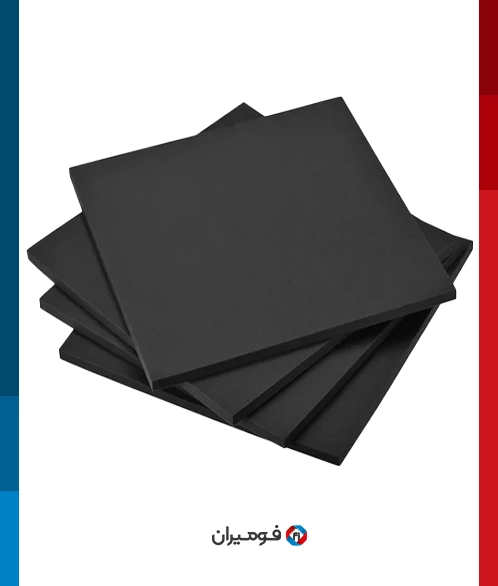
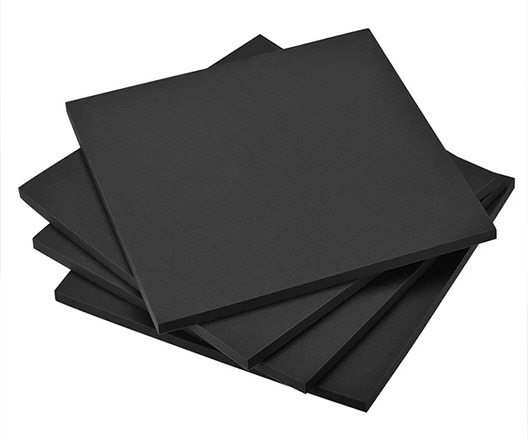
Foams made from ethylene-vinyl acetate (EVA) copolymer that possess properties of springiness, instant resilience, and abrasion resistance are called elastic foam. Elastic foams are well-known for their elasticity. Due to their high hardness, they are categorized as rigid resilient foams and also have very high strength.
Consulting and ordering

Order from the foamiran factory

Full Container Load (FCL)

Air Freight

Truck Load (FTL – LTL)

Guaranteed

Express delivery

7 Days, 24 Hours

Elastic foam

What is elastic Foam?

Foams made of ethylene-vinyl acetate copolymer (EVA) that have bounce properties, instant reversibility, and wear resistance are known as elastic foams. Elastic foams are known for their elasticity, high hardness, and strength, placing them in the category of hard reversible foams.
Elastic foams have a longer lifespan compared to non-elastic foams. These foams are widely used in the medical industry to manufacture orthopedic equipment such as necklaces and belts. They are also utilized in the shoe industry for the production of medical soles and insoles. Additionally, elastic foams are used as a shock absorber to absorb vibrations in industrial devices placed in industrial spaces.

Elastic foam products

Technical Data

Product codeSheet dimensions (cm)Sheet layer dimensions (cm)Foam roll dimensionsFoam hardnessFoam density (kg/cm3)Temperature rangePhysical characteristicsColors
EPDM200170*110*28
100*150*24
170*110
100*150
-5-15 / Shore C200±540-
to105°C
Elastic foam black

In the foamiran cutting collection, layers can be made to order with various thicknesses above 1mm to suit the needs of customers.
In the foamiran collection, customers can order cut foam rolls with customized lengths, widths, and thicknesses greater than 1mm.

Services

Product CodeEmbossingThermal laminateTowelPunchThermoformingClass weldingDie CutCNCGlitterGum
EPDM200******

Properties of Elastic Foam (Resilient Foam)

Impact and Vibration Absorption Capability
Memory Foam
High Resilience
High Hardness
Medium Abrasion Resistance
Waterproof; a suitable insulator for sound, heat, and cold

Elastic Foam Product Introduction Video

Features of elastic foam

Resilient foam is a closed cell, one of the key features of closed-cell materials is the unique structure of the material, which prevents the growth of bacteria and molds.

  • Ability to absorb shock and vibration
  • Moderate flexibility
  • High reversibility
  • Moderate slip resistance
  • High density
  • High hardness
  • Moderate wear resistance
  • Waterproof, sound insulation, heat and cold

Applications of elastic foam in industries

Due to the characteristics of elastic foam, it can be used in various industries, but in this section, most applications of foam in various industries are mentioned.

  • The Automotive industry
  • Packaging industry
  • Building industry
  • For vibration absorbers of industrial devices
  • Medical industry (manufacturing all kinds of orthopedic equipment)
  • Bag and shoe industry (medical insoles and shoe soles)

Frequently Asked Questions

What is Elastic Foam?

Elastic foam is a type of hard, reversible foam made from Ethylene-Vinyl Acetate (EVA) copolymer. It is known for its high resilience, excellent bounce, and quick return to its original shape after being compressed, as well as its resistance to wear.

What are the key properties of Elastic Foam?

Elastic foam possesses a unique set of features that make it highly effective:

  • High Resilience and Reversibility: It has a significant bounce and quickly returns to its shape.
  • High Hardness and Density: It is stronger and more durable than non-elastic foams.
  • Excellent Shock Absorption: It effectively absorbs impacts and vibrations.
  • Moderate Flexibility: It provides a balance between hardness and pliability.
  • Waterproof and Hygienic: Its closed-cell structure prevents the growth of bacteria and mold.
  • Sound and Thermal Insulation: It provides good insulation against both noise and temperature.
How is Elastic Foam different from other types of foam?

Elastic foam is categorized as a “hard reversible foam.” Unlike soft, non-elastic foams that may lose their shape over time, elastic foam has a longer lifespan and greater durability due to its high hardness and superior reversibility, making it suitable for applications requiring consistent performance under pressure.

In which industries is elastic foam primarily used?

Elastic foam is a versatile material with applications in a number of industries, including:

  • Medical: For orthopedic equipment like neck braces and medical belts.
  • Footwear: For orthopedic soles and shoe insoles.
  • Automotive: As a vibration dampener in vehicles.
  • Industrial: As a shock absorber for industrial machinery.
  • Construction and Packaging: For vibration dampening and protective applications.
What formats and services does Foamiran offer for its elastic foam?

Foamiran provides elastic foam in sheets and rolls with various dimensions and thicknesses. We also offer a range of customization services, including punching, lamination, thermal laminating, die-cutting, CNC cutting, and adhesive backing, to meet specific customer requirements.

Does elastic foam offer sound and thermal insulation?

Yes, elastic foam provides good insulation properties. Its closed-cell structure makes it an effective insulator against both sound and heat, contributing to a quieter and more thermally stable environment.

How can I purchase elastic foam from Foamiran?

To order elastic foam or request custom services, you can fill out the product order form on the Foamiran website. You can also contact the company’s sales experts directly. Our team is ready to provide specialized consultation and register your order to ensure you receive the best solution for your specific needs.

Related products

Leave a Reply

Your email address will not be published. Required fields are marked *

Fill out this field
Fill out this field
Please enter a valid email address.