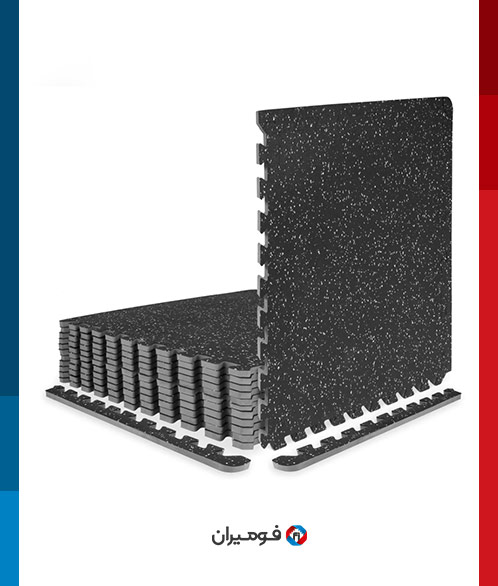
Granular Flooring
Granular Flooring
Granular Flooring
Granular Flooring
Granular Flooring

Granular Rubber Flooring

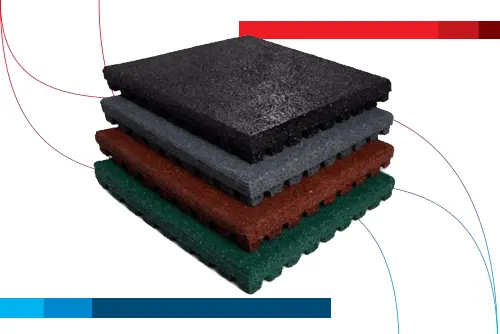
Granular rubber flooring, also known as park flooring, is a type of floor covering made from several layers of different materials, including rubber, rubber granules, resin, and more. These granules are typically sourced from the rubber shells of recycled tires.

By combining these materials, a soft and flexible surface is created with properties such as shock absorption and resistance to wear and tear. This makes it suitable for covering the floors of sports halls, kindergartens, parks, equestrian arenas, and more. Additionally, granular rubber flooring is also used in some recreational centers and spas as a covering for pool and sauna areas.

Consulting and ordering

Order from the foamiran factory

Full Container Load (FCL)

Air Freight

Truck Load (FTL – LTL)

Guaranteed

Express delivery

7 Days, 24 Hours

Granulated Flooring , granular flooring

What is Granular Rubber Flooring?

Granular rubber flooring is a type of equipment that ensures the safety of individuals in children’s play areas and sports clubs; therefore, purchasing it is essential for providing safety. These floors also create an environment where walking and exercising are very comfortable.

Properties of Granular Flooring

High resistance to oil
High resistance to UV and Ozone
High flexibility and resilience
High flame resistance
Waterproof; effective insulation for sound, heat, and cold
Operating temperature range: -40°C to +100°C

Granular Flooring product introduction video

Park Flooring

Granular rubber flooring is one of the best options for use in play and recreational environments such as parks. By providing high shock-absorption properties, this type of flooring creates a safe surface for children and prevents potential injuries from falls or running. It also performs very stably in outdoor spaces due to its high resistance to sunlight, rainfall, and temperature changes. Granular park flooring is produced in a variety of colors and thicknesses and, in addition to increasing safety, it also helps to beautify the park’s environment. Easy installation, washability, and a long lifespan are other features of this product when used in parks.

Applications of Granular Flooring

  • Gyms / Fitness centers
  • Park and children’s playground areas
  • Home backyards / Residential yards
  • Equestrian centers / Horse stables

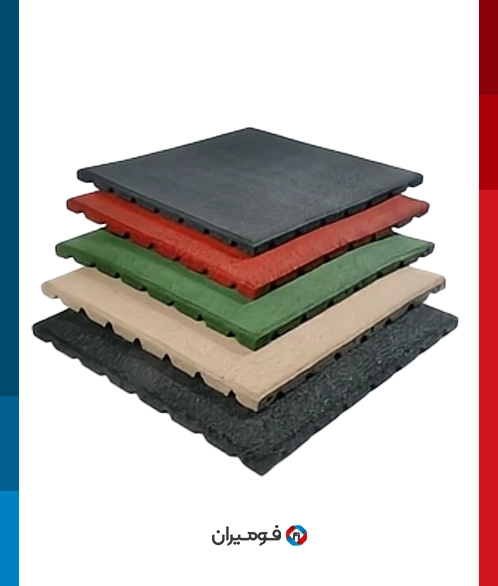
Types of Granular Flooring | Rubber Flooring

These floorings are made in various types, each with its own specific application. You can choose them according to your needs or preferences.

One-Meter Flooring Tiles

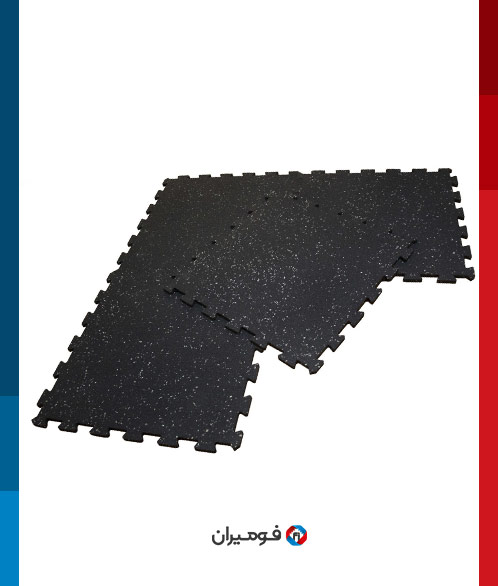
One-meter flooring tiles have dimensions of one meter by one meter, forming a square. When you want to install them, you must place them side-by-side, much like mosaic tiles. It is important to note that one-meter tiles are available in thicknesses of 20, 25, 30, 40, 50, and 70 mm. Another name for this granular flooring is “flat” tile.

Half-Meter Flooring Tiles

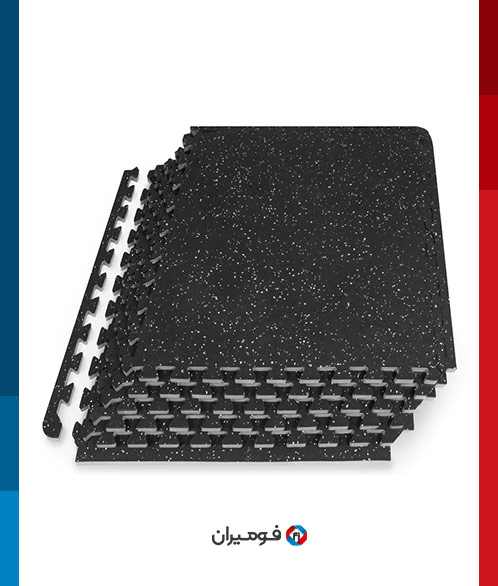
This type of flooring is similar to the one-meter version in terms of its shape and dimensions, with the difference being that its dimension is half a meter.

Egg Crate” Style Flooring

The “egg crate” style flooring is made in one-square-meter dimensions, with a square shape. The base of the tile is raised, resembling an egg carton, and it is used for outdoor spaces and parks. The thickness of this type of flooring is between 40 and 45 mm.

Rolled Granular Flooring

This type of flooring, similar to the flat tiles, is made in one-square-meter dimensions. Using modern equipment and materials, it has become possible to produce flooring with finer granules. These types of floors are called “rolled” flooring. In terms of appearance, this product is very similar to carpet. The pressing process for this flooring is different from others. Rolled flooring is made in thicknesses of 5 to 25 mm.

Poured-in-Place Park Flooring

When recycled granules are mixed with an adhesive and applied directly onto the desired location, a type of flooring is created that resembles asphalt and is called “poured-in-place.” The thickness of this flooring is between 15 and 20 mm.

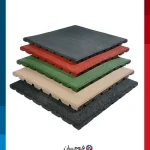
Kindergarten Flooring Purchase | Granular Flooring Manufacturer

One kilogram can be added to the weight of the flooring for every millimeter of thickness. For example, if a floor tile has a thickness of 30 mm, it weighs 30 kg, and a 10 mm tile weighs 10 kg. The primary basis for considering the weight of the flooring is the square meter. Accordingly, a weight of 20 kg for half-meter tiles with a thickness of 20 mm applies to a set of 4 tiles placed together (to form one square meter).

However, the “egg crate” style flooring differs from other types in these respects. This flooring is made with a thickness of 43 to 45 mm. The weight of the “egg crate” granule tile is usually between 32 and 34 kg. All the mentioned specifications apply to standard flooring tiles. If a granular floor tile does not have the stated thickness, it will also have a lower weight. For purchasing and pricing of granular flooring, you can get a free consultation from our experts.

Is Granular Rubber Flooring Suitable for Industrial Environments? Purchase and Price of Granular Flooring

Yes, granular rubber flooring is also suitable for industrial environments. Due to its properties such as resistance to abrasion, corrosion, impact, and pressure, as well as being anti-slip and waterproof, this type of flooring is used as a suitable floor covering in industrial settings like factories, livestock halls, production facilities, warehouses, parking garages, outdoor spaces, and more.

Furthermore, because of its waterproof and anti-slip features, granular flooring can also be used as a floor covering in damp environments or areas with a risk of slipping and falling, such as food processing plants, water treatment facilities, swimming pools, etc. Additionally, the easy installation and maintenance of this type of flooring, along with its recyclability and reusability, are other advantages of using granular rubber flooring in industrial environments.

Does granular flooring have high resistance to chemicals?

To purchase and determine the price of granular rubber flooring, you should consider a few points. This type of flooring, also known as park flooring, generally has good resistance to chemicals. However, it should be noted that its resistance may vary depending on the type of chemical used and the intensity of contact.

Therefore, when using granular flooring in environments where it will come into contact with chemicals, you must carefully evaluate the type of chemicals and the conditions of exposure, and then select a type of granular flooring with high resistance to those specific substances. Also, in the event of a chemical spill, it should be cleaned up immediately to reduce the likelihood of the chemical affecting the flooring.

Frequently Asked Questions

What is granular flooring made of?

Granular flooring is a type of floor covering made from a combination of materials, primarily rubber granules from recycled tires and resin. This composition results in a soft, flexible, and highly durable surface.

What are the key features of granular flooring?

Granular flooring has several key features, including:

  • High shock absorption: It effectively cushions impacts, reducing the risk of injury from falls.
  • High anti-slip properties: Its textured surface provides excellent friction, making it safe for both wet and dry environments.
  • Resistance to extreme conditions: It is highly resistant to oil, UV, ozone, and a wide range of temperatures.
  • Durability: It is resistant to wear and tear, ensuring a long lifespan even in high-traffic areas.
  • Effective insulation: It serves as a good insulator for sound, heat, and cold.
What are the different types of granular flooring offered by Foamiran?

Foamiran offers several types of granular flooring to suit various applications:

  • One-meter and half-meter tiles: Standard square tiles with different thicknesses.
  • “Egg Crate” style flooring: Tiles with a raised base for outdoor use.
  • Rolled granular flooring: A carpet-like option with a textured surface.
  • Pour-in-place flooring: A seamless, asphalt-like surface created by pouring granules and glue directly onto the site.
Where is granular flooring commonly used?

Granular flooring is primarily used in locations where safety and impact absorption are a priority. Common applications include:

  • Gyms and fitness centers.
  • Parks and children’s playgrounds.
  • Equestrian centers.
  • Industrial environments like warehouses and factories.
  • Wet areas such as saunas and swimming pools.
Is granular flooring easy to install and maintain?

Yes. Granular flooring, particularly the interlocking tiles, is known for its easy installation. It can be easily washed with various cleaning agents, making maintenance simple and cost-effective.

Does granular flooring have resistance to water and chemicals?

Yes. Granular flooring is waterproof and has high resistance to oil, grease, and many chemicals. This makes it a practical and durable choice for environments that are exposed to these substances.

How can I purchase granular flooring from Foamiran?

To order granular flooring or request custom services, you can fill out the product order form on the Foamiran website. You can also contact the company’s sales experts directly. Our team is ready to provide specialized consultation and register your order to ensure you receive the best solution for your specific needs.

Related products

Leave a Reply

Your email address will not be published. Required fields are marked *

Fill out this field
Fill out this field
Please enter a valid email address.