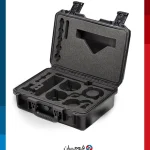
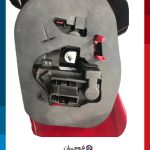
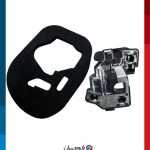
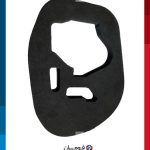
Industrial Foam Parts

  1. Home
  2. >
  3. Products
  4. >
  5. Industrial Foam Parts
Industrial Foam Parts
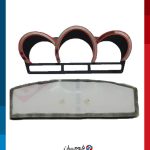
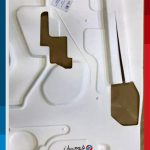
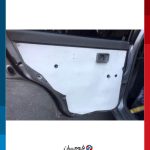
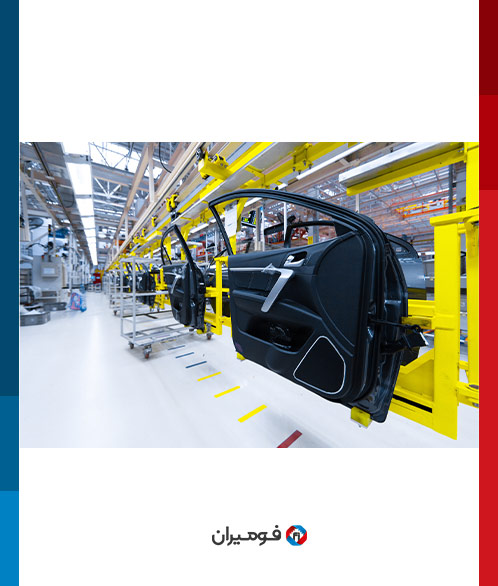
Automotive industry
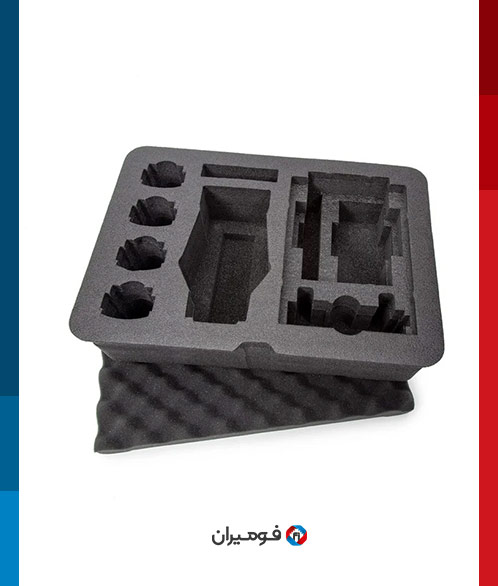
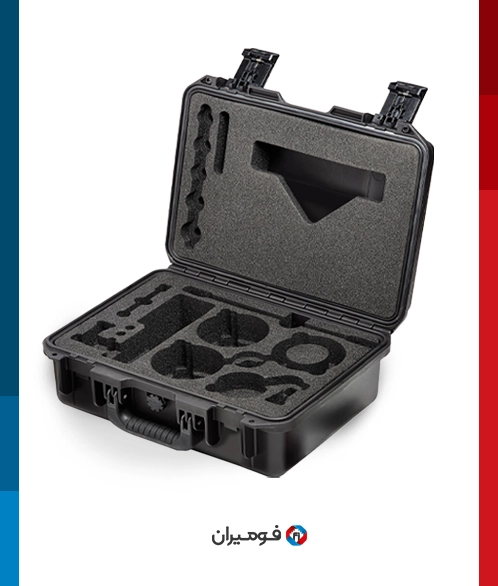
Packaging industry
Industrial Foam Parts

Industrial Foam Parts

These products hold quality management certifications including ISO 9001:2015, the OHSAS 18001 Occupational Health and Safety Management System, and the ISO 14001 Environmental Management System. Industrial foams are used in the automotive, bag and shoe, packaging, civil engineering, and construction industries, as well as for sealants and other industrial applications.

Consulting and ordering

Order from the foamiran factory

Full Container Load (FCL)

Air Freight

Truck Load (FTL – LTL)

Guaranteed

Express delivery

7 Days, 24 Hours

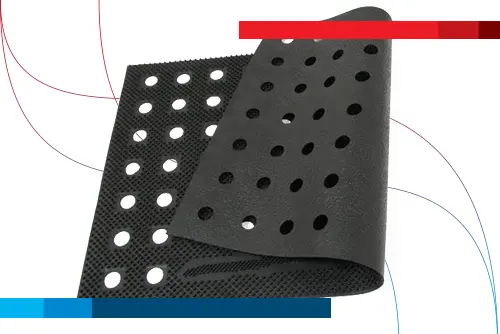
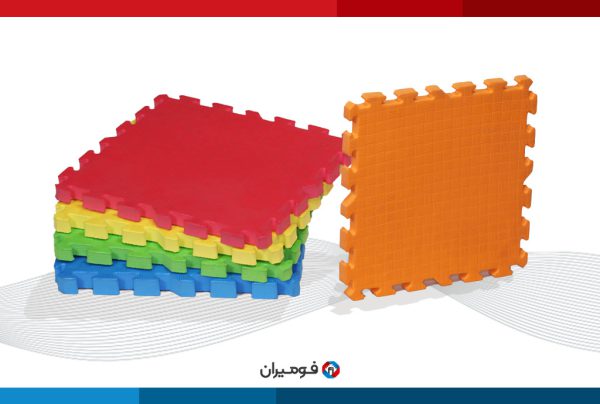
Cellular industrial foams

What are industrial foam parts?

In today’s complex industrial world, foam parts play a role that goes far beyond simple fillers. These engineered components are the backbone of many advanced products in various fields, from automotive to medical equipment. Produced from high-quality raw materials known as industrial foams, these foam parts have become essential solutions for modern design challenges due to their unique combination of lightness, flexibility, and technical capabilities.

Properties of Industrial Foams

Variety of colors
Use of high-quality raw materials
Adhesive Coating Capability
Reforming Capability
Available in various dimensions and thicknesses
Has standard certification
High flexibility
Easily washable

Industrial Foams product introduction video

Foam Components: Functional and Flexible Elements for Modern Industries

Foam components are essential elements in many products and systems, highly valued for their flexibility, shock absorption, insulation, and sealing properties. These parts are made from various types of foam and are designed for specific technical roles in industries such as automotive, construction, electronics, medical, and packaging.

Despite their simple appearance, foam components play a crucial role in enhancing product performance, durability, and comfort. From pads and gaskets to thermal insulators and shock absorbers, these components work behind the scenes to improve efficiency and protect devices and systems.

This article explores foam components, their features, benefits, applications, and key design considerations.


2. What Are Foam Components?

Foam components are die-cut or molded parts made from soft or rigid foams, serving mechanical or protective functions. Unlike general-purpose foam, these parts are precisely designed for specific industrial or commercial applications.

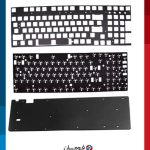
They may include seals, pads, spacers, bumpers, liners, or embedded elements. Manufacturing processes include die-cutting, CNC machining, thermoforming, or molding. The type of foam is chosen based on intended performance: impact absorption, thermal insulation, sound dampening, sealing, or vibration control.


3. Foam Materials Used

  • Polyethylene (PE): High durability and waterproof

  • Polyurethane (PU): Soft, flexible, and resilient

  • EVA: Lightweight with excellent shock absorption

  • Neoprene or Rubber Foams: Resistant to heat, oil, and compression

  • PVC and Silicone: Suitable for extreme temperatures and tough conditions

Foams are produced in open-cell and closed-cell structures. Closed-cell foam is ideal for sealing and insulation, while open-cell foam provides softness and breathability.


4. Advantages of Foam Components

  • Lightweight

  • Energy and impact absorption

  • Thermal and acoustic insulation

  • Effective sealing

  • Easy customization

  • Cost-effective


5. Applications of Foam Components

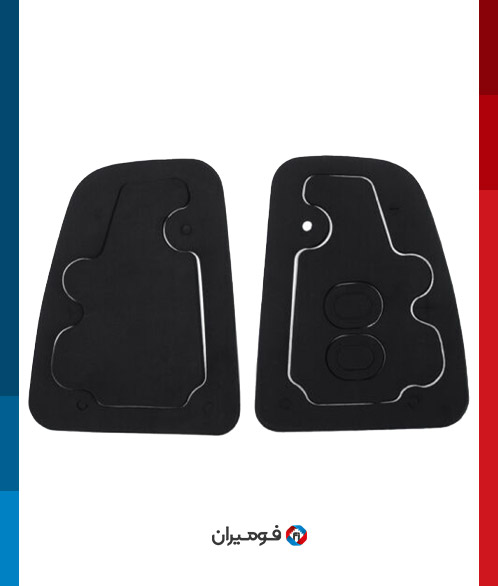
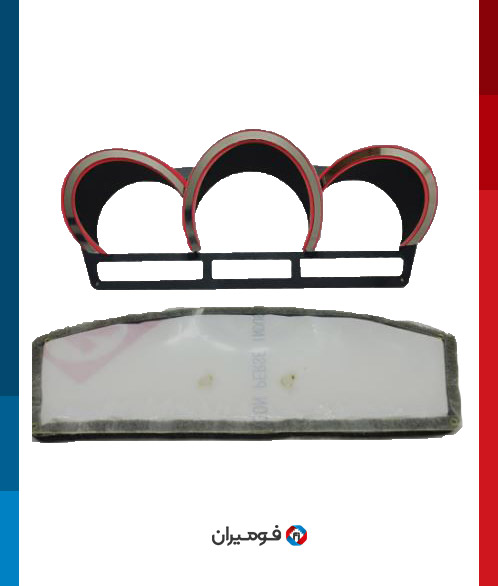
  • Automotive: Dashboard insulation, sealing strips, sound-dampening pads

  • Electronics: Cable separators, gaskets, thermal insulation

  • Construction: Joint fillers, sound and heat insulation

  • Medical: Sanitary pads, splints, cushions

  • Packaging: Protective inserts, box liners

  • Sports Equipment: Impact foam, clothing insulation


6. Considerations and Limitations

  • Compatibility with environmental factors (temperature, UV, chemicals)

  • Compression set resistance and recovery

  • Proper adhesion to different surfaces

  • Recyclability and environmental impact

  • Higher cost at low production volumes


7. Conclusion

Foam components are not merely fillers—they are precision parts that provide vital functions across industries. From shock absorption to sealing, they improve the safety, durability, and quality of products.

With high customizability, low weight, and affordable production, foam components play a key role in modern manufacturing. As the demand for multifunctional materials grows, foam components will continue to evolve and expand their presence in industrial applications.


FAQs

Q1: Which industries use foam components the most?
A: Automotive, electronics, construction, medical, packaging, and consumer goods.

Q2: Are foam components fire-resistant?
A: Yes, many types of foam offer fire-retardant properties.

Q3: Are foam components recyclable?
A: Some foams, like PE, are recyclable, though it depends on the type and application.

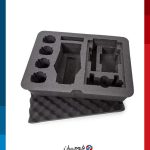
Engineered Foam Parts

Are you searching for a precision component to improve performance, increase durability, and enhance the quality of your final product? Our industrial foam parts are lightweight, flexible, and efficient solutions, designed and manufactured to meet your exact technical specifications. From providing a perfect seal against water and dust intrusion to delivering thermal and acoustic insulation and shock absorption, our parts guarantee flawless performance in the most critical sections of your product.

Our Capabilities: From Material Selection to Final Production

We help you select the best material for your specific application from a wide range of industrial foams. Each material adds a unique advantage to your product:

  • For Weather Resistance (EPDM): If your part will be outdoors or exposed to extreme temperature changes and UV radiation, EPDM foam, with its unparalleled durability, is the best choice for all types of sealants and gaskets.
  • For Flexibility and Shock Absorption (EVA): In applications requiring softness, flexibility, and high shock absorption, such as sports equipment or protective pads, EVA foam delivers outstanding performance.
  • For Sealing and Chemical Resistance (PE): Due to its closed-cell structure, Polyethylene (PE) foam is virtually non-absorbent, making it an excellent option for waterproof packaging, pipe insulation, and applications requiring chemical resistance.
  • For Special Applications (Rubber and Silicone): For resistance to oil, chemicals, or very high temperatures, as well as for hygienic and medical applications, we offer specialized solutions based on Neoprene and Silicone foam.

Custom Manufacturing: Any Design You Need, in Any Volume

Our technical team is ready to turn any design into reality with the highest precision, utilizing a complete range of manufacturing processes.

  • Mass and Economical Production: For high-volume orders such as washers and gaskets, we use die-cutting to ensure speed and uniformity.
  • Complex Designs and Prototyping: For complex 3D parts or producing initial prototypes, CNC cutting technology provides unparalleled accuracy.
  • Clean and Specialized Cuts: Using a waterjet, we cut through the thickest foams without any burning or deformation.
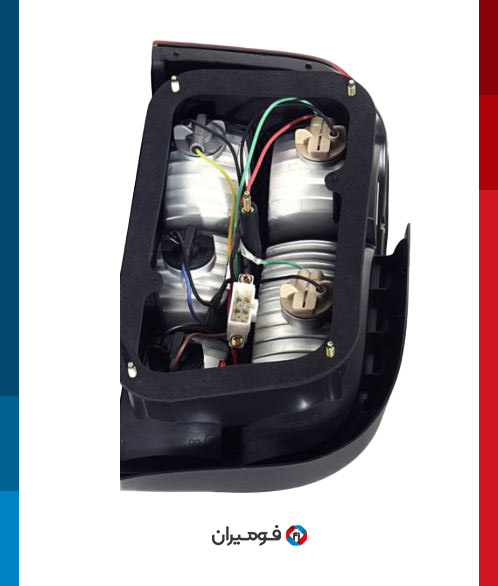
  • 3D and Shaped Parts: The thermoforming process allows us to produce parts with curved and custom shapes, such as packaging liners.

Additionally, our lamination and adhesive application services allow you to have multi-layered parts with easy installation (self-adhesive backing).

Application in Your Industry

We are proud to serve leading industries in various fields:

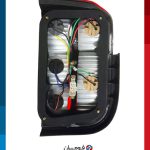
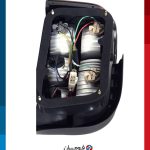
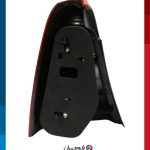
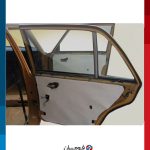
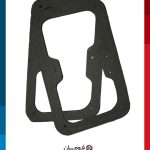
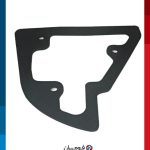
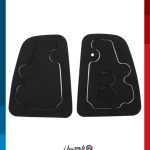
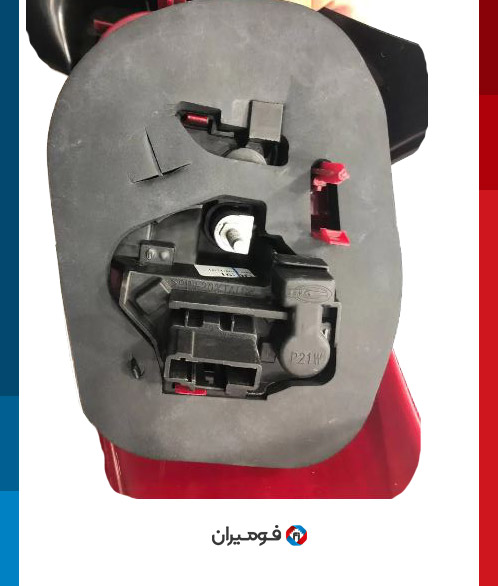
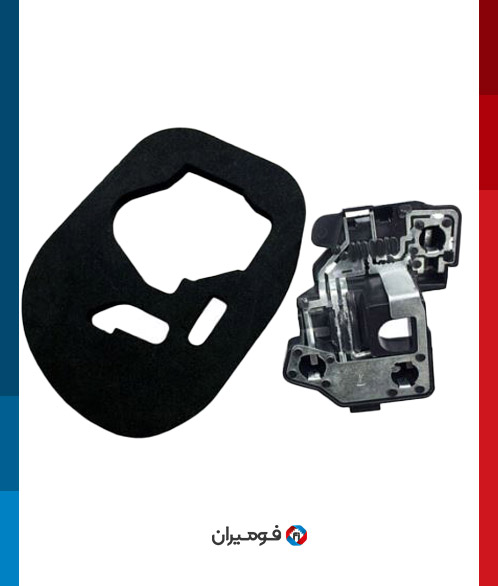
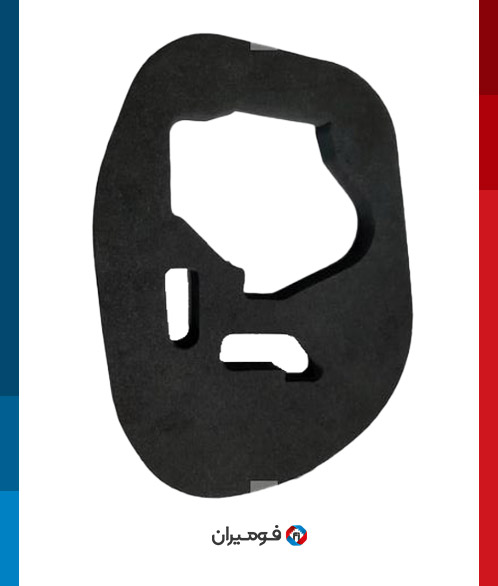
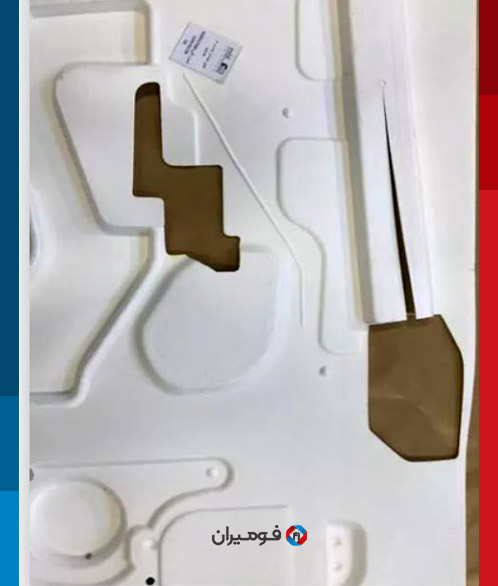
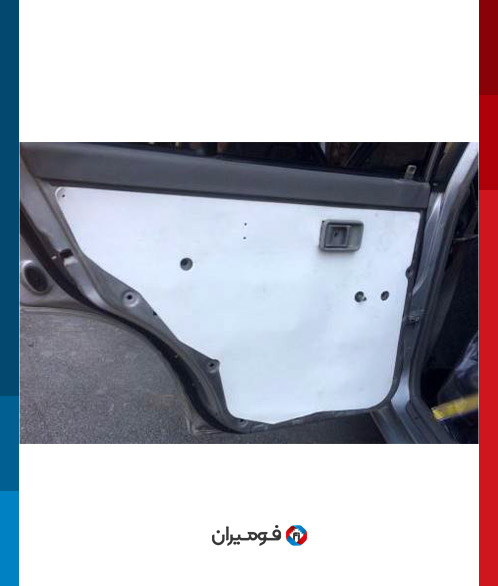
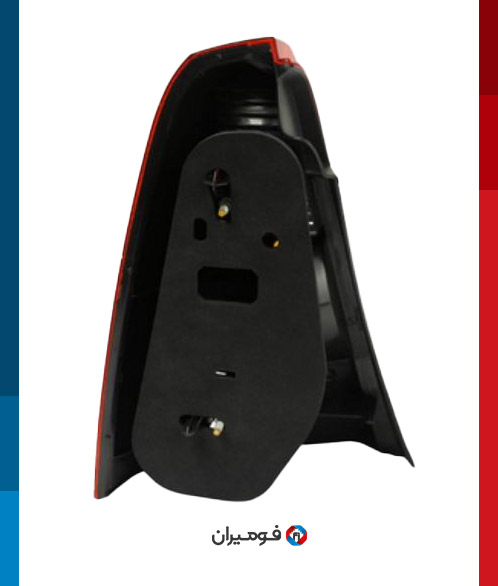
  • Automotive Industry: All types of sealants, weatherstripping, lamp gaskets, dashboard acoustic and thermal insulation, and Noise, Vibration, and Harshness (NVH) reduction components.
  • Building and Civil Engineering: Expansion joints, thermal and acoustic insulation, sealing strips, and filler foams.
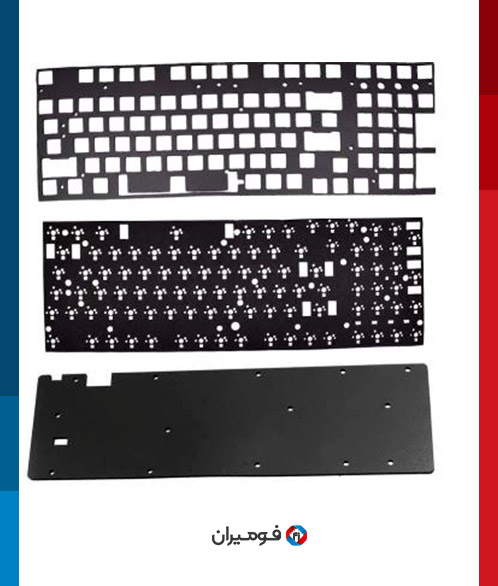
  • Electronics: Protective pads, dust-proof gaskets, separators for sensitive components, and anti-static (ESD) insulation.
  • Home Appliances: Sealing washers, refrigerator and freezer thermal insulation, and vibration dampeners.
  • Packaging: Various types of shock absorbers and protective holders for sensitive and fragile goods.

Frequently Asked Questions

What are industrial foam parts and why are they important in modern industry?

Industrial foam parts are precision-engineered components made from specialized foams. They are crucial in modern industry because they offer a unique combination of being lightweight, flexible, and durable, while also providing essential functions like impact absorption, sealing, and insulation. This makes them superior to traditional materials for many applications.
What types of foam does Foamiran use for industrial parts?

Foamiran utilizes a wide range of industrial foams, with each type selected for its specific properties:

  • EPDM Foam: For resistance to environmental factors, UV rays, and temperature changes.
  • EVA Foam: For high flexibility and shock absorption.
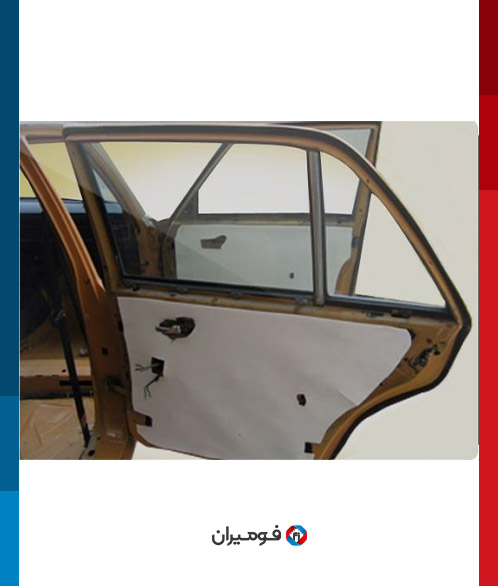
  • PE (Polyethylene) Foam: For resistance to water and chemicals.
  • Neoprene and Silicone Foams: For specialized applications, including resistance to oil and high temperatures.
What are the key functional capabilities of these industrial foam parts?

Our industrial foam parts are engineered to perform a variety of critical functions, including:

  • Water and Dust Sealing: Providing effective sealing against the intrusion of water and dust.
  • Thermal and Acoustic Insulation: Helping to control temperature and reduce noise.
  • Shock and Vibration Absorption: Protecting sensitive equipment from impacts and vibrations.
  • Chemical and Environmental Resistance: Maintaining integrity in harsh conditions.
In which industries are Foamiran's industrial foam parts used?

These parts are essential in a number of leading industries:

  • Automotive: For seals, gaskets, acoustic and thermal insulation, and anti-vibration components.
  • Construction: In expansion joints, seals, and for thermal and sound insulation.
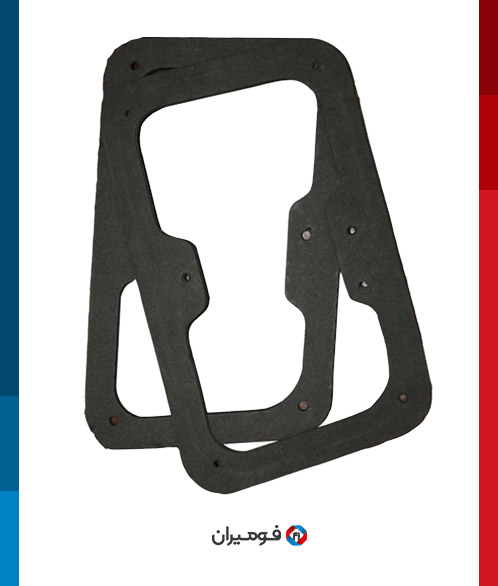
  • Electronics: As protective pads and gaskets for sensitive components.
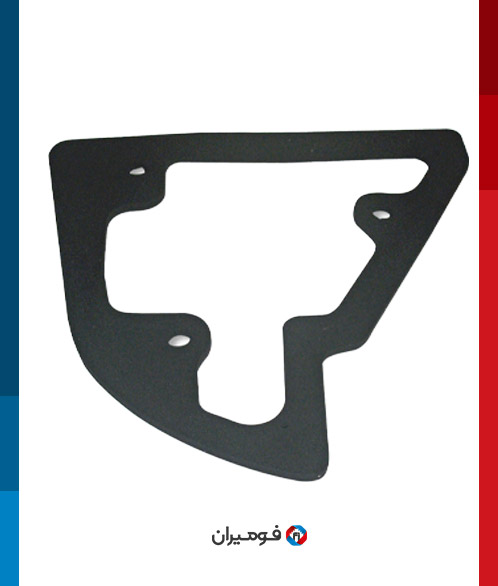
  • Home Appliances: For seals and vibration-dampening parts in refrigerators and other appliances.
  • Packaging: As custom-molded inserts to protect fragile items.
  • Medical and Military: For protective pads and lightweight structural components.
What manufacturing processes does Foamiran use to create custom foam parts?

Foamiran uses advanced machinery to produce precise and customized parts:

  • Die-cutting: For high-volume, economical production of uniform parts.
  • CNC cutting: For complex 3D shapes and prototyping.
  • Waterjet cutting: For clean, precise cuts on thick foams without burning.
  • Thermoforming: For creating 3D, curved parts for applications like packaging liners.
  • Lamination and Adhesive Application: To create multi-layered parts that are easy to install.
What are the main advantages of using foam parts over other materials?

Foam parts offer numerous benefits, including low weight, high shock absorption, flexibility, resistance to moisture and corrosion, and effective insulation. They are also cost-effective for mass production and can be completely customized.

How can I purchase industrial foam parts from Foamiran?

To order custom industrial foam parts, you can fill out the product order form on the Foamiran website. You can also contact the company’s sales and technical experts directly. Our team is ready to provide specialized consultation and register your order to ensure you receive the best solution for your specific needs.

Related products

Leave a Reply

Your email address will not be published. Required fields are marked *

Fill out this field
Fill out this field
Please enter a valid email address.