Low Density PE Foam (LDPE)

  1. Home
  2. >
  3. Products
  4. >
  5. Low Density PE Foam (LDPE)
TVRG Foam - Low-Density Foam (LDPE)

Low Density PE Foam (LDPE)

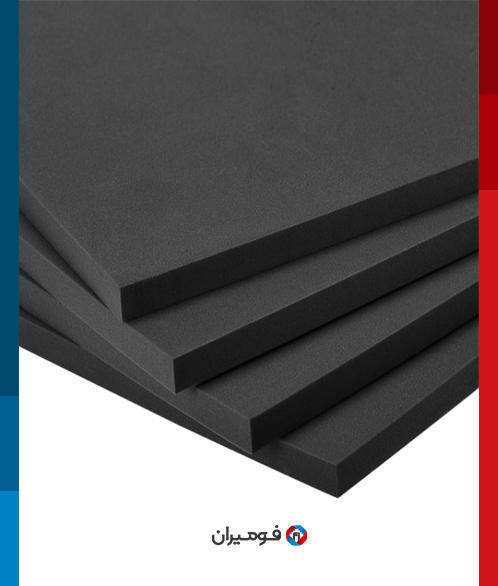
LDPE (Low-Density Polyethylene) foam is a type of plastic material made using low-density polyethylene. Because it is lightweight, flexible, and impact-resistant, this foam is often used in packaging, insulation, and applications that require protection against impact. LDPE foam is known for its ability and cushioning properties to absorb shock and vibration, making it suitable for protecting fragile items during shipping or handling.

Consulting and ordering

Order from the foamiran factory

Full Container Load (FCL)

Air Freight

Truck Load (FTL – LTL)

Guaranteed

Express delivery

7 Days, 24 Hours

Low-Density Polyethylene (LDPE) Foam

What is Low Density PE foam (LDPE) ?

Low-Density Polyethylene (LDPE) foam is a type of foam that is known for its low weight. The density is related to the arrangement of atoms or particles. When the gap between particles is wide, it won’t have a high density and can therefore float. If the particles are crowded together with no space between them, the density will be greater. LDPE foam, due to its low density, has many favorable qualities like water resistance, chemical resistance, energy absorption, buoyancy, and cushioning qualities, which make it practical for a large variety of uses. More dense foams have a higher compressive strength, and this strength decreases as the density decreases.

A special structure known as cells is formed when both solids and gases are combined. The closed cells in Foamiran foams make them popular in a variety of industries. Different categories exist for the LDPE foams in the Foamiran assortment which vary in terms of purpose and technical details

Low-Density Foam (LDPE) Products

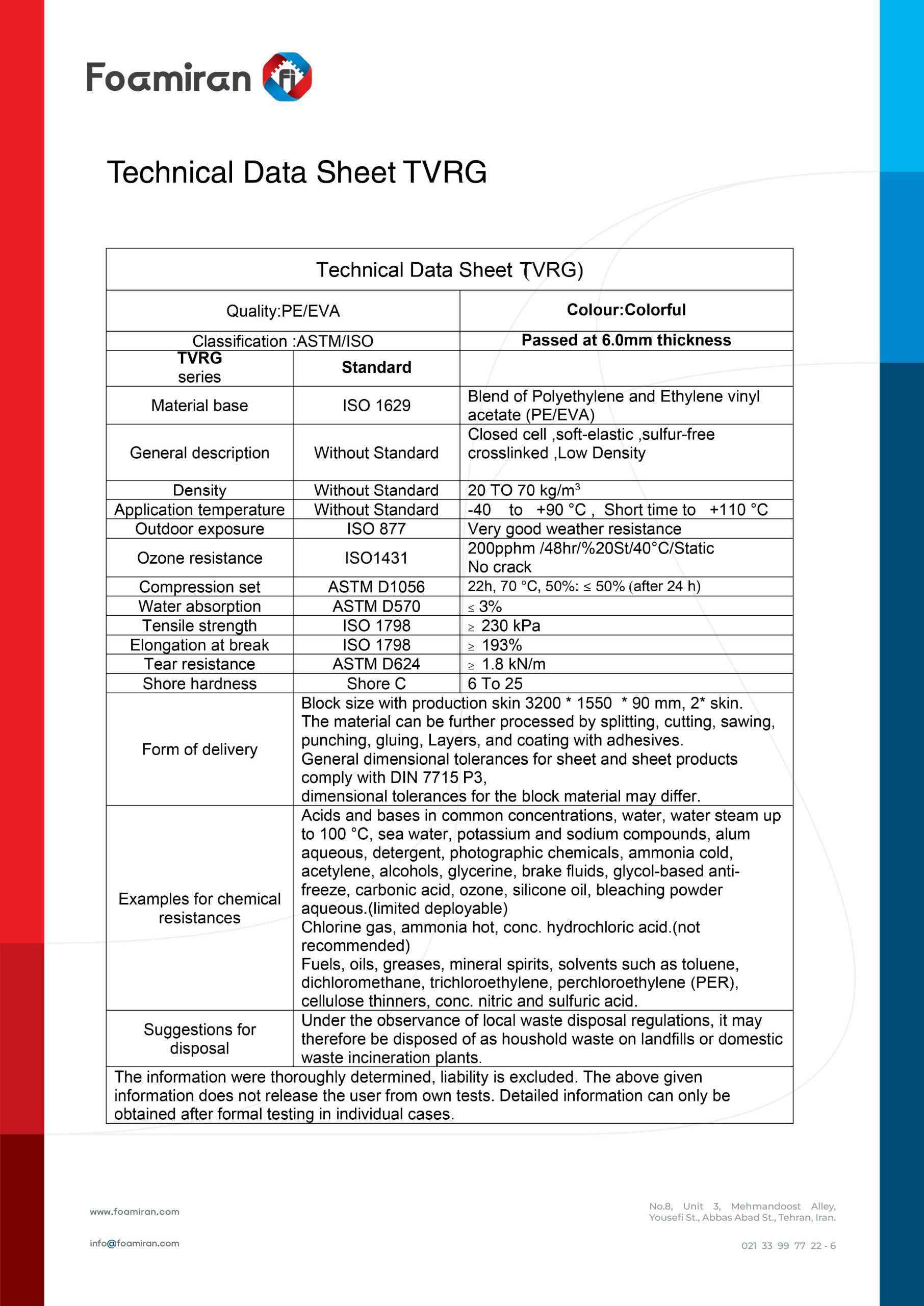
Click on the link to download the technical information of the TVRG Foam.

Technical Data

Product codeSheet dimensions (cm)Sheet layer dimensions (cm)Foam roll dimensionsFoam hardnessFoam density (kg/cm3)Temperature rangePhysical characteristicsColors
TVRG10320*155*90320*15550m*150cm*4mm20-30
Shore C
20±540-
to70°C
Low Density FoamWhite, Yellow, Orange, Red, Tiffany, Phosphor Green, Blue, Lilac, Black, and Gray
TVRG70320*155*90320*15550m*150cm*4mm20-30
Shore C
20±540-
to70°C
Low Density Foam

In the foamiran cutting collection, layers can be made to order with various thicknesses above 2mm to suit the needs of customers.
In the foamiran collection, customers can order cut foam rolls with customized lengths, widths, and thicknesses greater than 3mm.

Services

Product CodeEmbossingThermal laminateTowelPunchThermoformingClass weldingDie CutCNCGlitterGum
TVRG10***
TVRG70***

Properties of Low Density PE Foam (LDPE)

Impact Absorption Capability
Very Lightweight
Waterproof; a suitable insulator for sound, heat, and cold
High Flexibility
Resilient / Reversible
Low Hardness

Low Density PE Foam (LDPE) product introduction video

Click on the link to download the LDPE datasheet.

Characteristics of LDPE foam

LDPE foam is a closed cell, one of the key features of closed cell materials is the unique structure of the material, which prevents the growth of bacteria and molds.

  • Cushioning properties
  • Ability to absorb shock
  • very light
  • Waterproof, sound insulation, heat and cold
  • High flexibility
  • Reversible
  • Low hardness
  • Ability to absorb vibration

Applications of LDPE foam

Due to the characteristics of LDPE foam, it can be used in different industries, but in this section, the most applications of foam in different industries are mentioned.

  • Construction industry (as an insulating material for walls, floors, and ceilings)
  • Automotive industries (for insulation, gaskets, and providing cushions inside the car and reducing the vibration and noises of the car)
  • Packaging industries (packaging valuable items such as electronic parts and appliances, glass and ceramic containers, and other fine goods)
  • Medical industries (packaging sensitive medical equipment and devices)
  • Electronic industries (to protect electronic components and devices during transportation and handling)
  • Sports goods (production of sports goods such as helmets, pads, and protective equipment, as a shock absorbing material)

Low-Density Polyethylene (LDPE) Foam

Low-density foam, a new generation of foam in Iran and the Middle East, is produced at the Foamiran factory, relying on global knowledge, extensive efforts, and determination. This type of foam has an attribute that sets it apart, which is its low density (from 20 to 70), making it a more economical choice across different industries.

If you face any issues or need direction when it comes to using this foam in your sector, you can get advice from our Research and Development division for specialized advice. This sort of foam has a low density that can range anywhere from 20 to 70, and this has made it more cost-efficient to use in many industries.

Different LDPE products

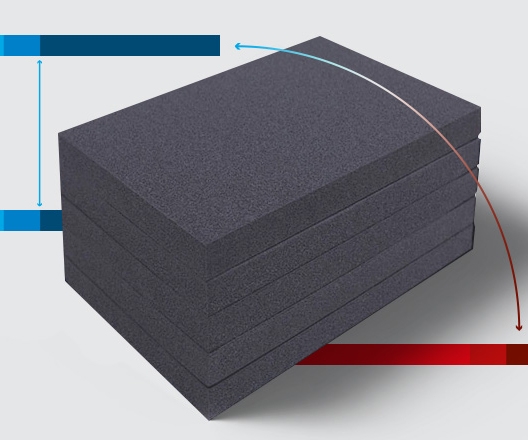
Presently, we can fabricate and provide LDPE foam in the form of sheets, foam rolls, and custom-made components. The dimensions of LDPE foam sheets are 320 x 155 cm with a thickness of 90 mm. Foam rolls can be purchased in lengths of 50 and 100 meters, and a width of 1.5 meters, and can be tailored to different thicknesses to meet customer expectations.

Characteristics of LDPE

LDPE foam, with its low density, offers the following characteristics:

  • Various colors: LDPE foam is available in a wide range of colors, providing options for customization and aesthetic appeal.
  • High flexibility: LDPE foam is highly flexible, allowing it to conform to different shapes and contours.
  • Resistance to tension and tearing: LDPE foam acts as an effective insulator due to its resistance to tension and tearing.
  • Energy absorption: LDPE foam has excellent energy absorption properties, making it suitable for impact cushioning and shock absorption applications.
  • Cushioning properties: LDPE foam provides cushioning and padding, making it ideal for packaging and protective applications.
  • Low density: LDPE foam has a low density, which contributes to its lightweight and buoyant properties.
  • High strength: Despite its low density, LDPE foam exhibits high strength and durability.
  • Water resistance: LDPE foam exhibits resistance to water absorption, making it suitable for use in moist or wet environments.
  • Buoyancy in water: LDPE foam has sufficient buoyancy, enabling it to float in water and be used in buoyancy-related applications.
  • Chemical resistance: LDPE foam demonstrates resistance to various chemicals, enhancing its suitability for diverse applications where chemical exposure may occur.

Applications of Low-Density Polyethylene (LDPE) foam

Electrical products often use low-density LDPE foam which is effective in applications that need electrical strength and stability. Furthermore, LDPE foam can resist water, grease, solvents, and chemicals, giving it an edge in different settings. Its ability to resist mold and bacteria makes it a great option for insulation, and it works excellently as an insulation material. LDPE foam can be used in the packaging industry to protect products because it is proficient at absorbing shocks. The chemical resistance of LDPE foam makes it able to withstand typical deteriorating elements. Over a prolonged period, LDPE foam can suffer from the effects of UV radiation from sunlight.

The use of LDPE foam in commercial and industrial markets has numerous advantages. Depending on the intended application, LDPE foam can be formulated to perform well in almost any condition.

Foam’s raw material LDPE

PE and EVA

This piece is constructed out of high-grade, low-density polyethylene (LDPE) and ethylene vinyl acetate (EVA) materials. It has all the beneficial qualities of both LDPE and EVA. It has the glossy look and durable properties of EVA in addition to the sturdy tension, heat resistance, and immunity to acids and bases of LDPE. It is appropriate for many different uses.

Foam’s raw material

What is LDPE Foam? ✧

LDPE foam, also known as LDPE foam, is a type of plastic foam made from low-density polyethylene. Thanks to its unique properties—such as being lightweight, excellent shock absorption, high flexibility, and moisture resistance—it has found extensive applications across various industries. This material features a closed-cell structure that prevents water penetration and inhibits the growth of microorganisms, allowing it to maintain exceptional durability even in humid environments.

In other words, LDPE foam strikes a perfect balance between strength and softness. It feels as soft as a pillow yet acts as a robust shield against impacts. Because of these combined qualities, it’s widely used in many fields, ranging from packaging and insulation to medical and sports equipment.


Key Advantages of LDPE Foam

  • Closed-cell structure
    LDPE foam consists of closed cells that block moisture, vapor, and suspended particles from penetrating. This not only prevents water and liquid absorption but also inhibits the growth of fungi, mold, and bacteria. As a result, this type of foam is an ideal choice for use in moist, sanitary environments such as cold storage facilities, industrial kitchens, medical centers, and even specialized children’s equipment. Additionally, this characteristic contributes to the foam’s extended lifespan and easier maintenance.
  • Superior shock absorption and cushioning properties
    One of the most outstanding features of LDPE foam is its high capacity for shock absorption. Its cushion-like structure absorbs energy from impacts and vibrations, protecting both products and individuals from damage. This makes LDPE foam a preferred material for packaging delicate items like medical equipment, electronic components, and glassware. It is also widely used in manufacturing sports flooring and protective gear for physical training.
  • High flexibility and rapid shape recovery
    LDPE foam is highly flexible and resists deformation under pressure. Once the pressure is released, it quickly returns to its original shape. This property makes it particularly suitable for applications requiring continuous pressure endurance, such as sports pads, industrial shock absorbers, and reusable products.
  • Lightweight and highly portable
    Thanks to its low density, LDPE foam is exceptionally lightweight, which facilitates transportation and installation. In contexts where weight is critical—like portable medical devices, lightweight sports pads, or mobile protective gear—LDPE foam plays a crucial role. Its lightness also helps reduce transportation costs.
  • Thermal and acoustic insulation
    Naturally resistant to sound, heat, and cold transmission, LDPE foam serves as an effective insulator in industrial, construction, and acoustic applications. It’s commonly used in flooring, wall panels, soundproofing systems, and ventilation units, helping prevent energy loss while creating a quieter, more isolated environment.
  • Resistance to water, chemicals, and oils
    LDPE foam isn’t just water-resistant; its unique chemical composition also makes it stable against many solvents, oils, and chemicals. This makes it well-suited for industrial environments, production lines, laboratories, and even exposure to corrosive substances.
  • Easy cleaning and maintenance
    When surface contamination occurs, LDPE foam can be easily cleaned using water and mild detergents. It dries quickly after washing and retains its original quality. This makes it an excellent option for use in places requiring high hygiene standards, such as kindergartens, sports clubs, and public facilities.
  • Stable performance across a wide temperature range
    LDPE foam performs reliably in temperatures ranging from -40°C to +105°C (-40°F to +221°F). This allows it to withstand cold storage conditions, outdoor environments, and areas near heat sources without losing its shape, insulating properties, or physical integrity.

Major Applications of LDPE Foam Across Industries

  • Packaging Industry
    With its high shock absorption, lightweight nature, and easy cutting and molding capabilities, LDPE foam is an ideal material for packaging sensitive products like electronic equipment, industrial parts, glass, and ceramics.
  • Acoustic and Sound Insulation
    Egg-crate shaped versions of this foam are used to reduce sound reflection and diffuse sound waves in indoor spaces such as studios, cinemas, and conference rooms. Thanks to its wavy structure and low density, acoustic LDPE foam lowers sound echoes and improves audio quality.
  • Construction Industry
    LDPE foam is used as an insulating material for walls, floors, and ceilings. Its placement beneath parquet or ceramic flooring helps control sound and heat transmission.
  • Automotive Industry
    This foam is employed in producing gaskets, cushions, cabin sound insulation, hood liners, and vibration damping in vehicles. Its flexibility and resistance to varying temperatures make it highly suitable for automotive applications.
  • Medical Equipment
    LDPE foam is used for sterile packaging of medical devices or as bases for machines and protective pads. Its lightweight and washable nature are key benefits in this field.
  • Electronics Industry
    It protects electronic components, sensitive circuit boards, and accessories from vibrations. Foam inserts in hardware packaging boxes are often made from LDPE foam.
  • Sports Goods Manufacturing
    Used in lightweight protective gear such as pads, training shoes, and workout cushions. Its excellent shock-absorbing properties help prevent injuries during physical activities.
  • Vehicles, Pipelines, and Storage Tanks
    Used as a thermal insulating layer on pipelines and tanks. Also applied in public transportation vehicles like train and metro cars.

Why Choosing LDPE Foam for Your Project is a Smart Decision?

Feature Benefit
Lightweight Easy transportation and installation; cost savings on shipping
Closed-cell structure Resistant to moisture, fungi, mold, and bacterial growth
Strong shock absorption Protects against physical damage and extends product lifespan
Flexible Easily shaped and adaptable to various forms and conditions
Chemical and thermal resistant Suitable for harsh industrial environments
Sound and heat insulation Creates a safe, quiet environment and reduces energy consumption
Easy to clean Perfect for clean and hygienic environments like hospitals and kitchens

Download the LDPE Foam (LDPE) Datasheet

For detailed technical specifications, densities, hardness levels, and application guides for each type of LDPE foam, you can download the full datasheet via the link below:

Download the LDPE Foam Datasheet


Final Summary

LDPE foam is a versatile product featuring a closed-cell structure, high quality, and unique properties that make it suitable for a vast range of applications—from acoustic and thermal insulation to impact-protective packaging, from construction to automotive and medical equipment. If you’re looking for a lightweight, durable, flexible, and washable material for your project, LDPE foam is a professional and cost-effective choice.

For practical consultation or to request samples, please contact Foamix experts or specialized vendors to select the product best suited to your needs.

What is LDPE Foam? ✧

LDPE foam, also known as LDPE foam, is a type of plastic foam made from low-density polyethylene. Thanks to its unique properties—such as being lightweight, excellent shock absorption, high flexibility, and moisture resistance—it has found extensive applications across various industries. This material features a closed-cell structure that prevents water penetration and inhibits the growth of microorganisms, allowing it to maintain exceptional durability even in humid environments.

In other words, LDPE foam strikes a perfect balance between strength and softness. It feels as soft as a pillow yet acts as a robust shield against impacts. Because of these combined qualities, it’s widely used in many fields, ranging from packaging and insulation to medical and sports equipment.


Key Advantages of LDPE Foam

  • Closed-cell structure
    LDPE foam consists of closed cells that block moisture, vapor, and suspended particles from penetrating. This not only prevents water and liquid absorption but also inhibits the growth of fungi, mold, and bacteria. As a result, this type of foam is an ideal choice for use in moist, sanitary environments such as cold storage facilities, industrial kitchens, medical centers, and even specialized children’s equipment. Additionally, this characteristic contributes to the foam’s extended lifespan and easier maintenance.
  • Superior shock absorption and cushioning properties
    One of the most outstanding features of LDPE foam is its high capacity for shock absorption. Its cushion-like structure absorbs energy from impacts and vibrations, protecting both products and individuals from damage. This makes LDPE foam a preferred material for packaging delicate items like medical equipment, electronic components, and glassware. It is also widely used in manufacturing sports flooring and protective gear for physical training.
  • High flexibility and rapid shape recovery
    LDPE foam is highly flexible and resists deformation under pressure. Once the pressure is released, it quickly returns to its original shape. This property makes it particularly suitable for applications requiring continuous pressure endurance, such as sports pads, industrial shock absorbers, and reusable products.
  • Lightweight and highly portable
    Thanks to its low density, LDPE foam is exceptionally lightweight, which facilitates transportation and installation. In contexts where weight is critical—like portable medical devices, lightweight sports pads, or mobile protective gear—LDPE foam plays a crucial role. Its lightness also helps reduce transportation costs.
  • Thermal and acoustic insulation
    Naturally resistant to sound, heat, and cold transmission, LDPE foam serves as an effective insulator in industrial, construction, and acoustic applications. It’s commonly used in flooring, wall panels, soundproofing systems, and ventilation units, helping prevent energy loss while creating a quieter, more isolated environment.
  • Resistance to water, chemicals, and oils
    LDPE foam isn’t just water-resistant; its unique chemical composition also makes it stable against many solvents, oils, and chemicals. This makes it well-suited for industrial environments, production lines, laboratories, and even exposure to corrosive substances.
  • Easy cleaning and maintenance
    When surface contamination occurs, LDPE foam can be easily cleaned using water and mild detergents. It dries quickly after washing and retains its original quality. This makes it an excellent option for use in places requiring high hygiene standards, such as kindergartens, sports clubs, and public facilities.
  • Stable performance across a wide temperature range
    LDPE foam performs reliably in temperatures ranging from -40°C to +105°C (-40°F to +221°F). This allows it to withstand cold storage conditions, outdoor environments, and areas near heat sources without losing its shape, insulating properties, or physical integrity.

Major Applications of LDPE Foam Across Industries

  • Packaging Industry
    With its high shock absorption, lightweight nature, and easy cutting and molding capabilities, LDPE foam is an ideal material for packaging sensitive products like electronic equipment, industrial parts, glass, and ceramics.
  • Acoustic and Sound Insulation
    Egg-crate shaped versions of this foam are used to reduce sound reflection and diffuse sound waves in indoor spaces such as studios, cinemas, and conference rooms. Thanks to its wavy structure and low density, acoustic LDPE foam lowers sound echoes and improves audio quality.
  • Construction Industry
    LDPE foam is used as an insulating material for walls, floors, and ceilings. Its placement beneath parquet or ceramic flooring helps control sound and heat transmission.
  • Automotive Industry
    This foam is employed in producing gaskets, cushions, cabin sound insulation, hood liners, and vibration damping in vehicles. Its flexibility and resistance to varying temperatures make it highly suitable for automotive applications.
  • Medical Equipment
    LDPE foam is used for sterile packaging of medical devices or as bases for machines and protective pads. Its lightweight and washable nature are key benefits in this field.
  • Electronics Industry
    It protects electronic components, sensitive circuit boards, and accessories from vibrations. Foam inserts in hardware packaging boxes are often made from LDPE foam.
  • Sports Goods Manufacturing
    Used in lightweight protective gear such as pads, training shoes, and workout cushions. Its excellent shock-absorbing properties help prevent injuries during physical activities.
  • Vehicles, Pipelines, and Storage Tanks
    Used as a thermal insulating layer on pipelines and tanks. Also applied in public transportation vehicles like train and metro cars.

Why Choosing LDPE Foam for Your Project is a Smart Decision?

Feature Benefit
Lightweight Easy transportation and installation; cost savings on shipping
Closed-cell structure Resistant to moisture, fungi, mold, and bacterial growth
Strong shock absorption Protects against physical damage and extends product lifespan
Flexible Easily shaped and adaptable to various forms and conditions
Chemical and thermal resistant Suitable for harsh industrial environments
Sound and heat insulation Creates a safe, quiet environment and reduces energy consumption
Easy to clean Perfect for clean and hygienic environments like hospitals and kitchens

Download the LDPE Foam Datasheet

For detailed technical specifications, densities, hardness levels, and application guides for each type of LDPE foam, you can download the full datasheet via the link below:

Download the LDPE Foam Datasheet


Final Summary

LDPE foam is a versatile product featuring a closed-cell structure, high quality, and unique properties that make it suitable for a vast range of applications—from acoustic and thermal insulation to impact-protective packaging, from construction to automotive and medical equipment. If you’re looking for a lightweight, durable, flexible, and washable material for your project, LDPE foam is a professional and cost-effective choice.

For practical consultation or to request samples, please contact Foamix experts or specialized vendors to select the product best suited to your needs.

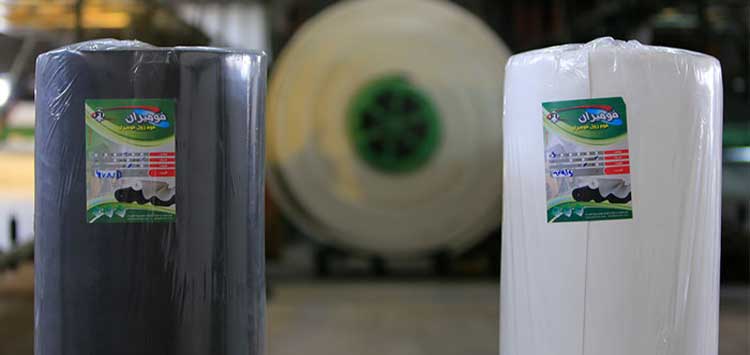
Foam sheet rolls, often referred to as foam rolls, are used in a variety of industries, such as bags and footwear, automotive, construction, cleaning, packaging, medical, and insulation. The Foamiran products are constructed using the newest technology and the finest quality standards. The combination of low density and high flexibility makes LDPE foam rolls unique. Moreover, the capability of these foam rolls to resist surface tension and tearing is essential in the industry.

The LDPE foam rolls have achieved international certifications, including ISO 9001:2015 for quality management, ISO45001 for health and safety management, and ISO14001 for environmental management.

LDPE Low-Density Foam Roll Characteristics

Low density

Lightweight foam with low density

High flexibility

Resistant to pressure and tearing

High hardness

Adaptable to various applications

Chemical-free

Excellent chemical stability

Antibacterial

Transparent and recyclable

Customization

Easy production using various methods

Types of Low Density Roll(LDPE)

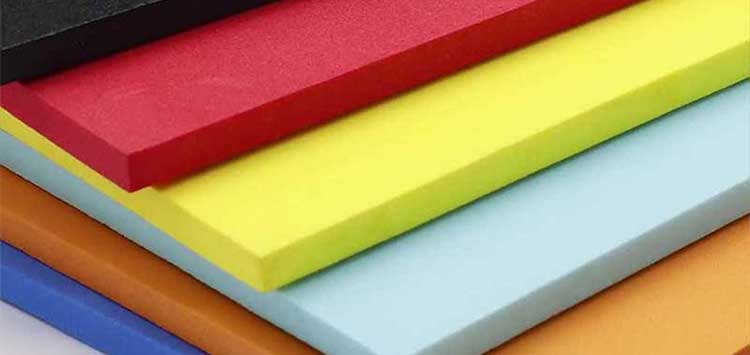
Foams with a flat, unpatterned texture are known as plain roll foams. Foam rolls of various thicknesses, from 1 to 5 millimeters, come in lengths of 50 and 100 meters with a width of 1.5 meters. You can find them in a variety of colors, such as white, orange, red, phosphorus, yellow, blue, purple, and black. Foam rolls with a thickness of between 5 and 10 millimeters can be found in lengths of 25 and 50 meters, and a width of 1.5 meters, and come in white, orange, red, phosphorus, yellow, blue, purple, and black.

Foamiran Company offers varying lengths, widths, and thicknesses of roll foams to best suit the needs of its customers.

Simple Roll Foam

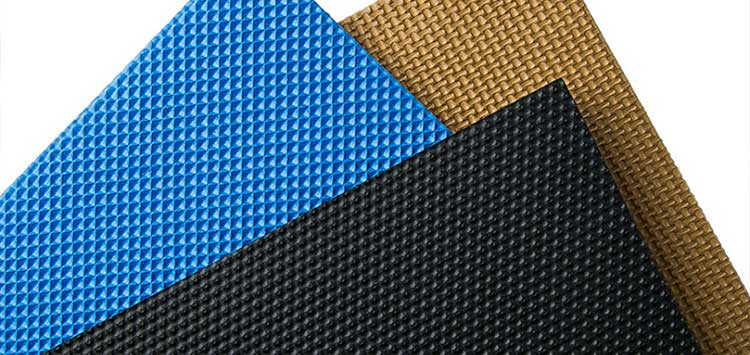
Roll foams with treads are known as embossed roll foams. These textures stop the surface from becoming slippery, making them ideal for the manufacture of sports foam products such as yoga mats, diving boards, swimming dumbbells, and more. The range of thicknesses goes from 2 to 5 millimeters, in lengths of 50 and 100 meters, and a width of 1.5 meters; you can also find these in white, orange, red, phosphorus, yellow, blue, purple, and black.

Foamiran Company provides embossed roll foams in a variety of lengths, widths, and thicknesses to suit the desires of its customers.

Ribbed Roll Foam

LDPE Foam Roll Applications

LDPE roll foam is renowned for its flexibility and softness as closed-cell foam. Its structure and density make LDPE roll foam a popular thermal and acoustic insulation, especially in automobiles. The outstanding feature of LDPE roll foam is its resilience and cushioning, making it ideal for use in bags, footwear, furniture manufacturing, and mattress production.

There are plenty of perks to using LDPE roll foam in the commercial and industrial markets. Depending on what it is being used for, LDPE roll foam can be customized to perform optimally in a variety of conditions.

Different Colors of Low-Density LDPE Foam Roll

Foamiran Group allows its customers to manufacture roll foams in exclusive colors.

Black
bright green
white
blue
red
orange
yellow
Purple

Low-density polyethylene (LDPE) sheets are in high demand for their low density. Its affordability and quality have made it a popular choice in many industries. LDPE sheets can be found in a wide variety of industries, like medical mattress production, bags and footwear making, packaging, converting, automotive, and cleaning. LDPE sheets are a type of closed-cell foam, which are low density and offer many advantages, such as water resistance, chemical protection, buoyancy, and being lightweight. Foams with higher density have a greater compressive strength, which lowers as the density decreases.

The LDPE sheets have international approval for quality control ISO9001:2015, occupational health and safety ISO45001, and environmental management ISO14001.

LDPE Foam Sheet Characteristics

Low density

Lightweight foam with low density

Good flexibility

Resistant to pressure

Sound insulation

Noise reduction

Thermal insulation

Suitable for insulation purposes

Resistance to tearing

Resistance to tension

Various color options

Customizable based on your order

Types of Low-density Sheet (LDPE)

Cuts that run horizontally on the sheet are called sheet layers. Smooth sheet layers with no pattern or texture are referred to as plain. The LDPE sheet layers come in a range of thicknesses, from 2 to 15 millimeters, and are 3.2 meters long and 1.5 meters wide. White, orange, red, phosphorus, yellow, blue, purple, and black are the hues these can be made.

Here at Foamiran, we can make sheet layers with different lengths, widths, and thicknesses to fulfill the needs of our customers

LDPE foam sheet

Sheet layers are defined as vertical cuts on the sheet’s surface. Sheet layers that feature different patterns and textures are referred to as ribbed sheets. LDPE sheet layers come in varying thicknesses from 2 to 15 mm, being 3.2 m in length and 1.5 m in width. White, orange, red, phosphorus, yellow, blue, purple, and black are all available colors.

Foamiran provides custom lengths, widths, and thicknesses of sheet layers to our customers.

Ribbed Roll Foam

Different Applications of Low-density LDPE

The compressibility rate of LDPE sheeting means it remains flexible even after multiple impacts. It is known for its outstanding load-bearing capacity. It has been put to use in a variety of ways including packaging, automotive, marine, flooring and acoustic underlay, medical mattresses, camping, and more. Its softness makes it especially helpful for packaging since it can absorb impacts without harming what is inside.

LDPE foam sheeting has many benefits that can be used in commercial and industrial contexts. Depending on how it’s going to be used, LDPE foam sheeting can be customized to handle any condition.

Different Colors of Low-density LDPE

Foamiran Company grants its customers the option of creating sheeting in a variety of unique colors.

Black
bright green
white
blue
red
orange
yellow
Purple

LDPE Products

Product NameDimensions (mm)Density ( Kg/m3)CharacteristicsSpecific Application
TVRG-E5 Sheet3000*1000*9030 to 40Good resilience/ Moderate softnessCleaning industry/ Packaging
TVRG-E21 Sheet3000*1000*90-Good softness/ Very good resilienceMedical equipment/ Medical mattress
TVRG-C20 Sheet3000*1000*9030 to 40resilience/ recoverabilityPackaging industry/ Medical mattress
TVRG-Y26 Sheet3000*1000*90-resilience/ recoverabilityPackaging industry/ Medical mattress

Frequently Asked Questions

What is the difference between polyethylene foam and low-density foam LDPE?

In terms of density, polyethylene is a material divided into three raw material categories: low density, medium density, and high density. Low-density LDPE foam is a lightweight and cost-effective foam with many applications.

Can LDPE foam be used for acoustics and sound insulation?

The answer to this question is a bit complex. Currently, our R&D team has successfully produced a functional product for reducing environmental noise with LDPE sound insulation foam. The important point is that the idea of eliminating sound and achieving complete acoustics with this foam is incorrect.

What is the difference between LDPE foam?

These two are exactly the same. There is no difference between the two, and both refer to low-density polyethylene foam.

What are the key features of LDPE foam?

LDPE foam has several key features that make it highly efficient:

  • Lightweight and Flexible: It is very light and shapes easily, making transportation and installation easy.
  • Excellent Shock Absorption: It acts as a cushion and a strong protective shield against impacts and vibrations.
  • Water and Chemical Resistance: Its closed-cell structure makes this foam waterproof and resistant to various chemicals, oils, and greases.
  • Effective Insulation: It acts as a good insulator against sound and heat.
  • Hygiene: It does not absorb water and prevents the growth of bacteria and mold.
How is LDPE foam used in the packaging industry?

Due to its excellent shock absorption and cushioning properties, LDPE foam is widely used in the packaging industry. This foam protects sensitive and fragile items such as medical equipment, electronic components, and glassware during transport and handling.

What are the main applications of LDPE foam in other industries?

Beyond packaging, LDPE foam has extensive applications, including:

  • Construction: As acoustic and thermal insulation for walls, ceilings, and floors.
  • Automotive: For insulation, gaskets, and anti-vibration parts.
  • Sports and Recreation: For protective gear, yoga mats, and other sports equipment.
  • Medical: For protective pads and sterile packaging.
  • General Industry: In pipelines, storage tanks, and various cleaning products.
Is LDPE foam resistant to bacteria and mold?

Yes. The closed-cell structure of LDPE foam prevents the absorption of water and moisture. This feature makes it naturally hygienic and resistant to the growth of bacteria, mold, and fungi, making it suitable for use in humid or sterile environments.

Does Foamiran offer custom LDPE foam products?

Yes. Foamiran offers diverse services for customizing LDPE foam products, including punching, laminating, die-cutting, and adhesive backing. They can produce custom parts and molds and supply the foam in various dimensions, thicknesses, and colors.

Related products

Leave a Reply

Your email address will not be published. Required fields are marked *

Fill out this field
Fill out this field
Please enter a valid email address.