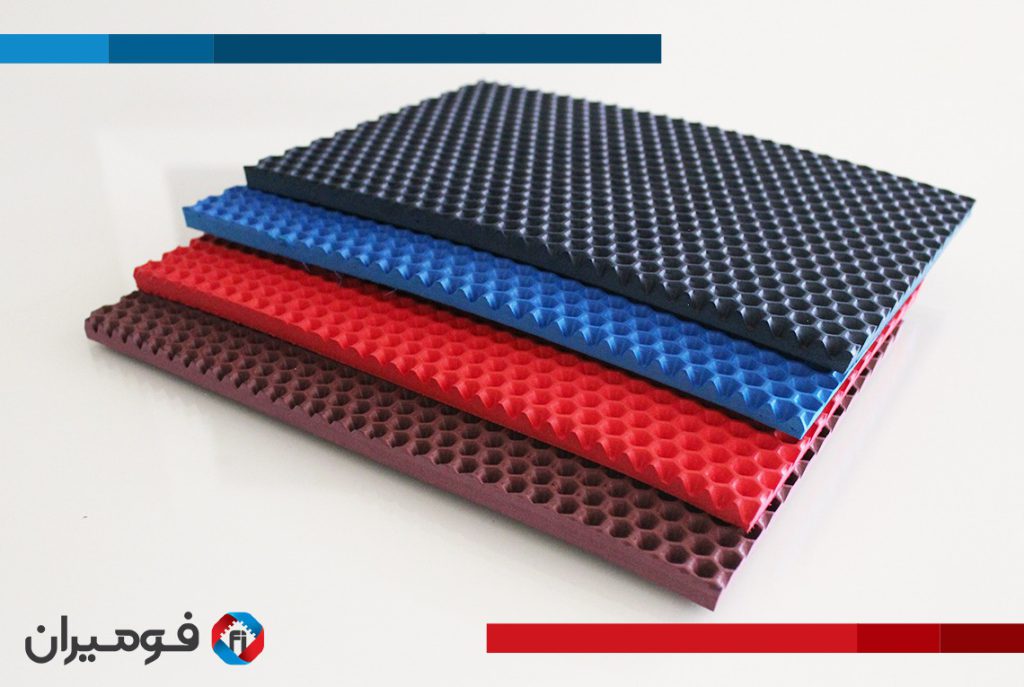
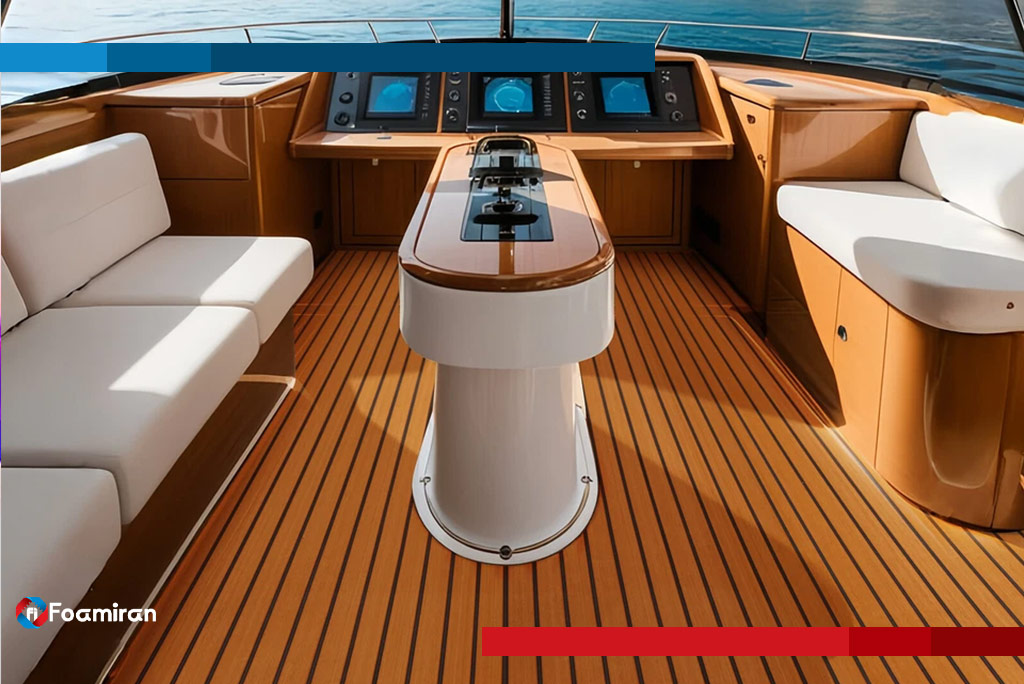
Marine Foam is one of the most widely used and essential materials in the maritime and port industries. Due to its unique properties, it plays an important role in improving the performance and safety of marine structures and equipment. These foams are typically made from materials such as polyurethane or other types of closed-cell foams, which offer high resistance to water penetration, moisture, and harsh marine environmental conditions. The closed-cell structure of these foams prevents water and moisture from entering, allowing them to maintain their insulating and buoyancy properties even in submerged conditions.
Importance of Marine Foam
The importance of marine foam in the maritime and port industries is primarily due to several key reasons. First, these foams have extensive applications as thermal and acoustic insulators, effectively controlling the temperature inside cabins, engine rooms, and various sections of vessels. This helps improve the efficiency and comfort of people aboard the vessel, while also reducing energy costs. Second, marine foams are used as buoyancy materials for pontoons, buoys, and other floating structures, ensuring the safety and stability of vessels.
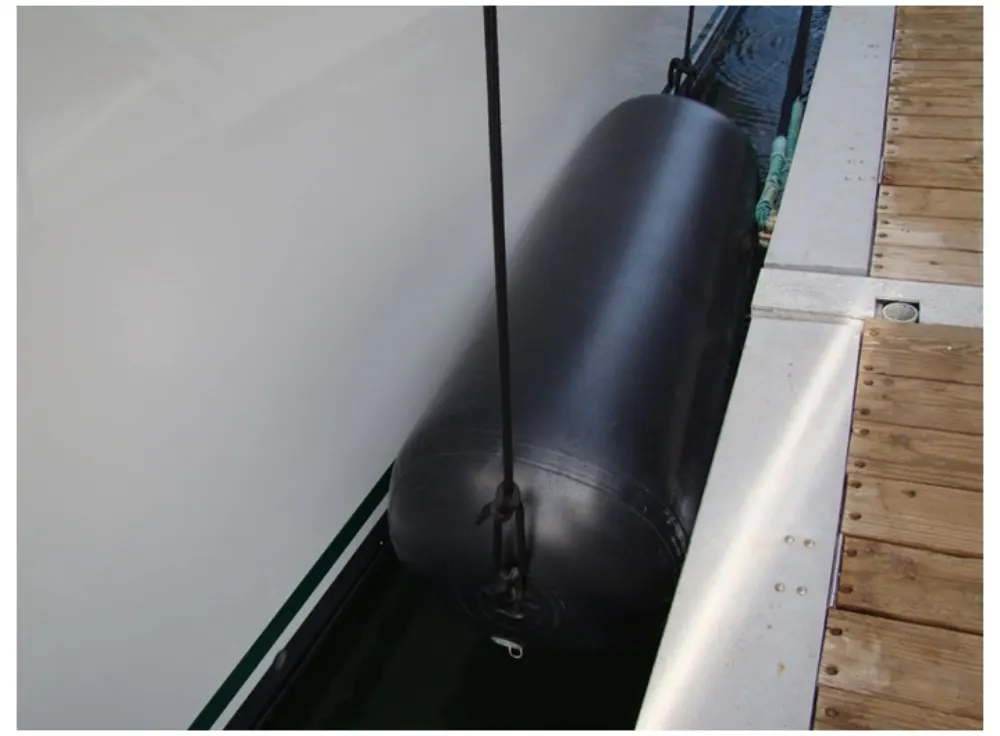
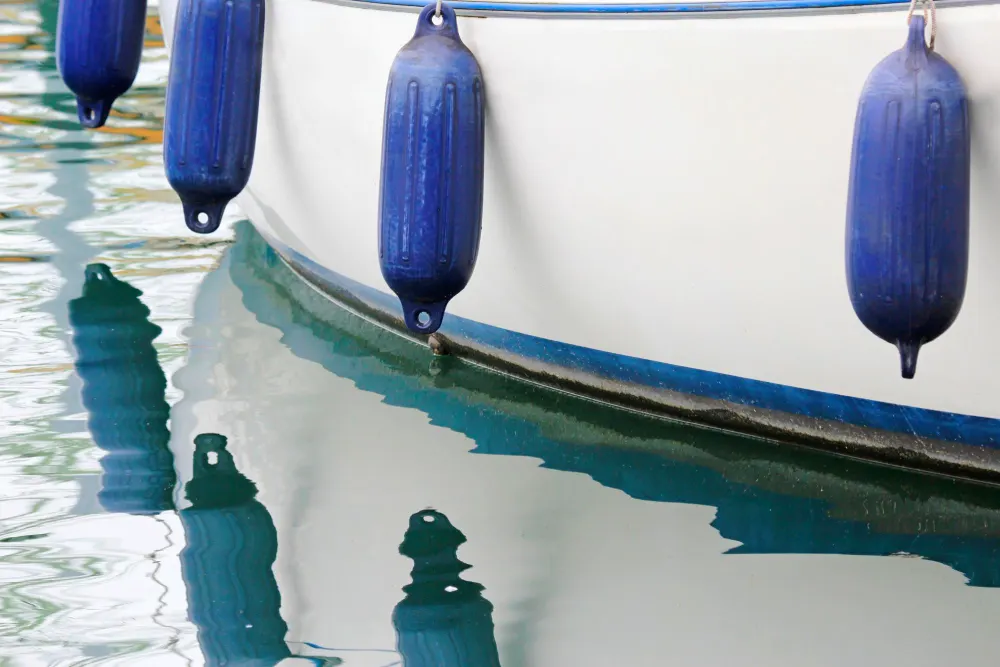
Another key application of marine foam is in the use of dock fenders. These fenders, made from durable and resistant foams, act as shock absorbers during ship docking, preventing damage to the quay and vessels. Due to their high durability and resistance to environmental conditions, these foams are also used in military, recreational, and commercial marine industries.
With the growing trend in maritime trade and the development of port infrastructure, the use of marine foam as a key strategic material in enhancing the safety, efficiency, and durability of marine structures has become increasingly important.
2. Types of Marine Foams
In the maritime industry, various types of foams are used, each with different properties and applications. Understanding these foam types helps to select the most suitable one based on project needs. The most important types of marine foams include:
Polyurethane Foam:
This type of foam is one of the most commonly used marine foams, known for its high customizability, lightweight nature, and excellent insulating properties. Polyurethane foam can be used as a spray, casting, or injection material, and is typically applied for insulating cabins, engine rooms, and various sections of vessels. In addition to thermal insulation, this foam offers good resistance to moisture and water penetration and is also resistant to mold and mildew.
Closed-Cell Foam:
Closed-cell foam has a dense structure with sealed cells, preventing water and moisture from entering. This feature makes it an ideal choice for buoyancy applications, waterproof insulation, and the construction of dock fenders. Closed-cell foams, such as Plastazote and Evazote, are highly resistant, durable, and lightweight, with the ability to maintain their shape and performance even after prolonged use.
Open-Cell Foam:
Unlike closed-cell foam, open-cell foam has a structure of open cells, allowing air and vapor to pass through. Open-cell foam is typically used in thermal and acoustic insulation applications where breathability is required. However, due to its water absorption properties, its use in marine environments is more limited. It is mainly used for internal insulation in dry areas of vessels.

Hybrid Foam:
Hybrid foam combines the features of closed-cell foam with inflatable systems or other types of foams. These foams are designed to meet the specific needs of marine applications and are often used in dock fenders and advanced buoyancy equipment. Hybrid foams offer excellent performance against impacts and severe environmental pressures, combining high durability and flexibility.
3. Features and Benefits of Marine Foam
Marine foams play a crucial role in the maritime and port industries due to their unique features and numerous advantages. These properties make marine foam essential in a wide range of applications, from vessels to port structures. The key features and benefits of marine foam include:
Water and Moisture Resistance:
One of the primary characteristics of marine foam is its high resistance to water and moisture penetration. In particular, closed-cell foams, with their dense and non-porous structure, prevent water absorption. This feature allows the foam to retain its properties in submerged conditions or highly humid environments, without degrading or losing performance. Additionally, moisture resistance helps prevent issues such as mold growth and rusting of marine structures.
Thermal and Acoustic Insulation:
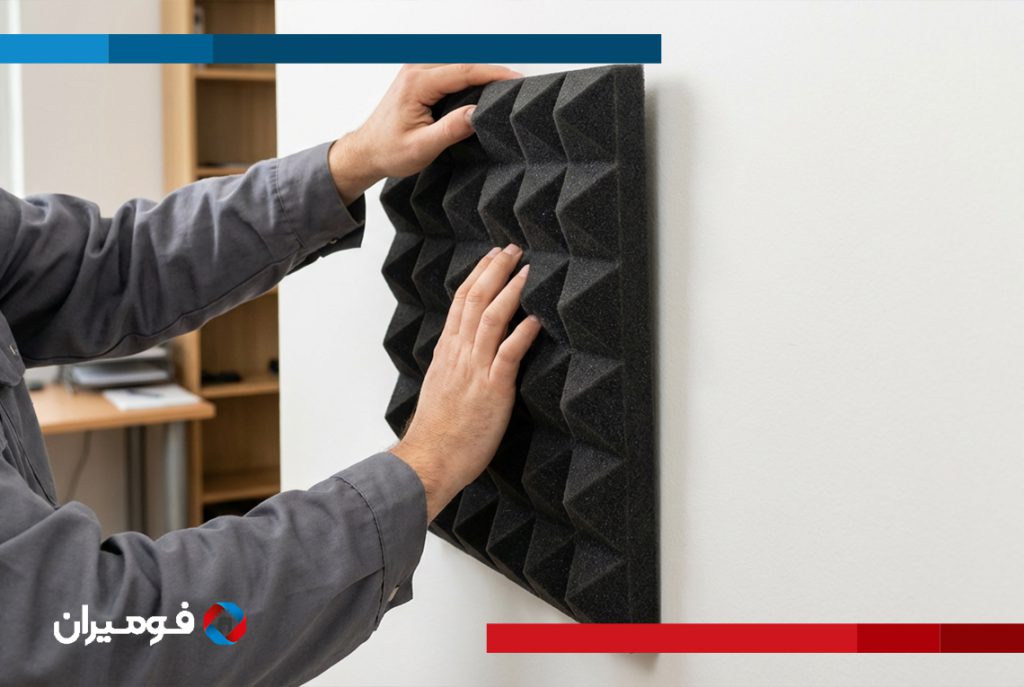
Due to their special structure, marine foams are excellent thermal and acoustic insulators. These foams help maintain a comfortable temperature inside cabins, engine rooms, and other sections of vessels by reducing heat transfer. Moreover, reducing noise and sounds from engines and the marine environment enhances the comfort and safety of passengers and crew, providing a better working and resting environment.
Lightweight and Durability:
The lightweight nature of marine foams is one of their major advantages, as it helps maintain the overall lightness of vessels and floating structures. At the same time, these foams are highly durable, offering resistance to mechanical pressures, impacts, and wear. This durability ensures that marine foams retain their properties over time and do not require frequent replacement or repairs.
 Resistance to Harsh Environmental Conditions:
Marine foam is designed to withstand harsh and variable environmental conditions such as temperature fluctuations, sunlight exposure, saltwater, and contact with chemicals. This resistance allows the foams to maintain their performance over the long term in marine environments without a decrease in quality, making them an economical and reliable choice for maritime projects.
Moldability and Easy Installation:
Another important feature of marine foams is their ease of moldability and quick installation. Polyurethane foams can be applied as a spray or mold to various surfaces, while closed-cell foams can be cut and shaped as needed. This feature makes it easy to use foam in complex and unconventional spaces, reducing installation time and costs.
4. Applications of Marine Foam
Due to their unique properties, marine foams have a wide range of applications across different maritime industries. These applications help improve safety, increase durability, and enhance the performance of marine structures and equipment. The key applications of marine foam include:
Insulation of Cabins and Floating Structures:
One of the most common uses of marine foam is for thermal and acoustic insulation of cabins, engine rooms, and other floating structures. These foams help maintain a stable internal temperature by preventing heat transfer, reducing energy loss. Additionally, their acoustic insulation properties reduce engine noise and environmental sounds, increasing the comfort of the passengers. Spray-applied polyurethane foam is easily installed in complex spaces and provides complete coverage.
Buoyancy for Pontoons and Buoys:
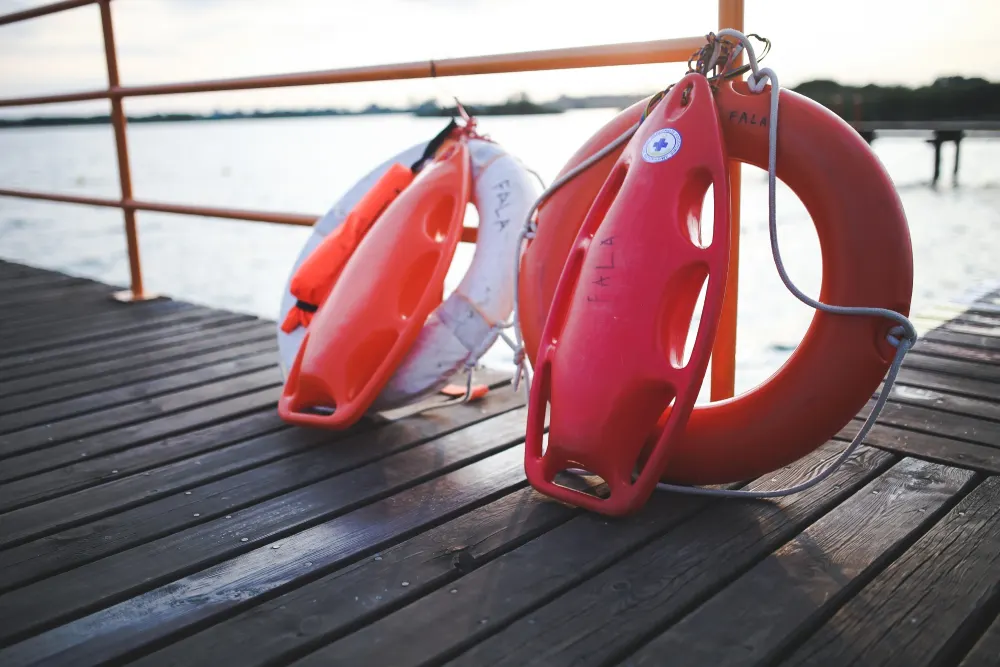
Closed-cell foams, due to their very low weight and high resistance, are widely used to provide buoyancy for marine equipment such as pontoons (floating platforms) and buoys (floating markers). In the event of water ingress or damage to these equipment, the presence of buoyancy foam prevents them from sinking and ensures safe and stable operation.
Dock Fenders (Foam Dock Fenders):
Dock fenders, which act as protective buffers between ships and docks, are often made from marine foams. These foams absorb impact energy when ships dock, preventing damage to both the dock and the ship’s hull. Fenders made from polyurethane foam and hybrid foams are ideal for this application due to their high durability, impact resistance, and resilience against harsh weather conditions.
Cushions and Interior Covers for Vessels:
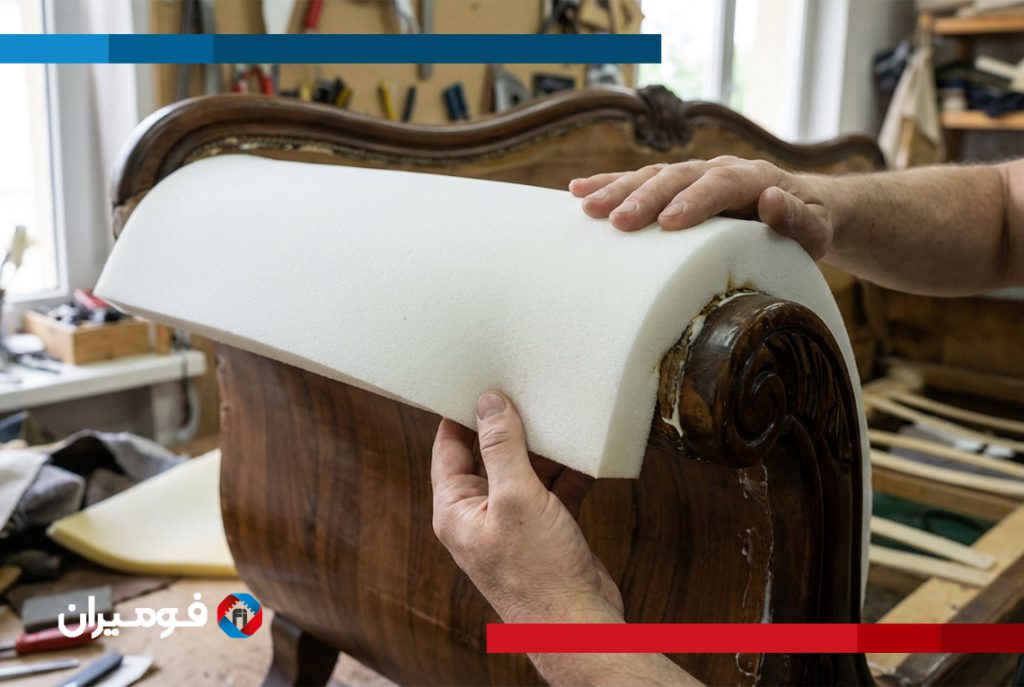
Inside vessels, marine foam is used to create cushions, seat covers, and interior linings. These foams not only provide comfort for passengers but also serve as thermal and acoustic insulators, contributing to the durability and longevity of internal equipment. The lightweight nature of the foams reduces the overall weight of the vessel and helps improve fuel efficiency.
Condensation Prevention:
Problems arising from condensation or moisture buildup in marine environments can lead to metal corrosion, mold growth, and reduced equipment efficiency. Marine foams, with their high resistance to water vapor and thermal insulation properties, prevent condensation formation inside cabins and various sections of vessels. This results in increased structural lifespan and maintains the quality of the interior space.
5. Marine Foam Market and Emerging Trends
The marine foam market has witnessed significant growth in recent years, driven by several factors. The increasing volume of maritime trade and the expansion of port infrastructures around the world, including in developing countries, has heightened the demand for quality, durable materials for marine equipment and structures. Additionally, growing attention to ship and port safety, along with stricter environmental regulations, has further increased the demand for high-performance marine foams. The growth of the maritime tourism industry and the development of recreational boats and vessels have also contributed to rising demand.
Innovations and Eco-Friendly Materials:
One of the key emerging trends in the marine foam market is the focus on developing environmentally friendly and recyclable materials. Manufacturers of marine foams are seeking alternatives to traditional petroleum-based materials, opting for renewable sources that have less environmental impact at the end of their life cycle. Hybrid and composite foams, utilizing new technologies, not only maintain desirable technical properties but also comply with environmental standards. These innovations help reduce pollution and can also lower disposal and recycling costs.
Use of Smart Technologies and Monitoring Systems:
The integration of digital technologies and smart systems into marine foam applications is an advanced trend in the market. Monitoring systems equipped with IoT sensors can track the condition of fenders, coverings, and insulation in real time. These technologies enable predictive maintenance, timely repairs, and enhanced safety at docks and aboard vessels. Additionally, advanced production technologies, such as CNC cutting and precision molding, help improve the quality and customization of foams.
 Market Challenges and Opportunities:
Despite the significant market growth, there are challenges in development. The high initial production and installation costs of marine foams, compared to traditional options like rubber fenders, may prevent some smaller players from entering the market. Additionally, differences and complexities in international safety and environmental regulations create challenges in global export and distribution. On the other hand, the rising demand for high-performance marine equipment, the expansion of port development projects, and the establishment of free industrial zones present significant investment and innovation opportunities. Furthermore, the growth of the maritime transport industry and the need to improve safety and reduce maintenance costs are key market drivers.
Conclusion and Future Outlook for Marine Foam
Marine foam plays a crucial role in enhancing the safety, performance, and durability of structures and vessels in the maritime industry and ports. Features such as high resistance to water and moisture, thermal and acoustic insulation, lightweight, durability, and ease of moldability make it an ideal material for a variety of applications, including cabin insulation, buoyancy provision, dock fender construction, and condensation prevention. With the expansion of maritime trade and the increasing need for resilient and efficient infrastructure, the importance of marine foam has grown significantly.
The future outlook for the marine foam market is bright, with technological innovations and a focus on environmental concerns leading the way. The development of eco-friendly foams, the use of smart technologies for monitoring and performance optimization, and improvements in production processes are all key trends in the industry. Alongside market growth opportunities, challenges such as initial costs and legal issues remain manageable with appropriate solutions. Overall, marine foam will play a key role in the sustainability and development of the future maritime industry, and global demand for this product is expected to continue rising.