In many homes, the rug is still considered one of the main components of decoration and living space. However, a problem that many people face is the rug slipping on surfaces like ceramic, stone, or parquet. Besides being annoying, this issue can also entail risks such as falls for children or the elderly. One of the solutions that has received much attention in recent years is the use of under-rug foam. A foam that is seemingly simple but has a significant impact on the safety, softness, and stability of the rug. In this article, we comprehensively examine what under-rug foam is, what its applications are, and why it can be a smart choice for modern homes.
What is Under-Rug Foam and What is its Role in Rug Underlayment?
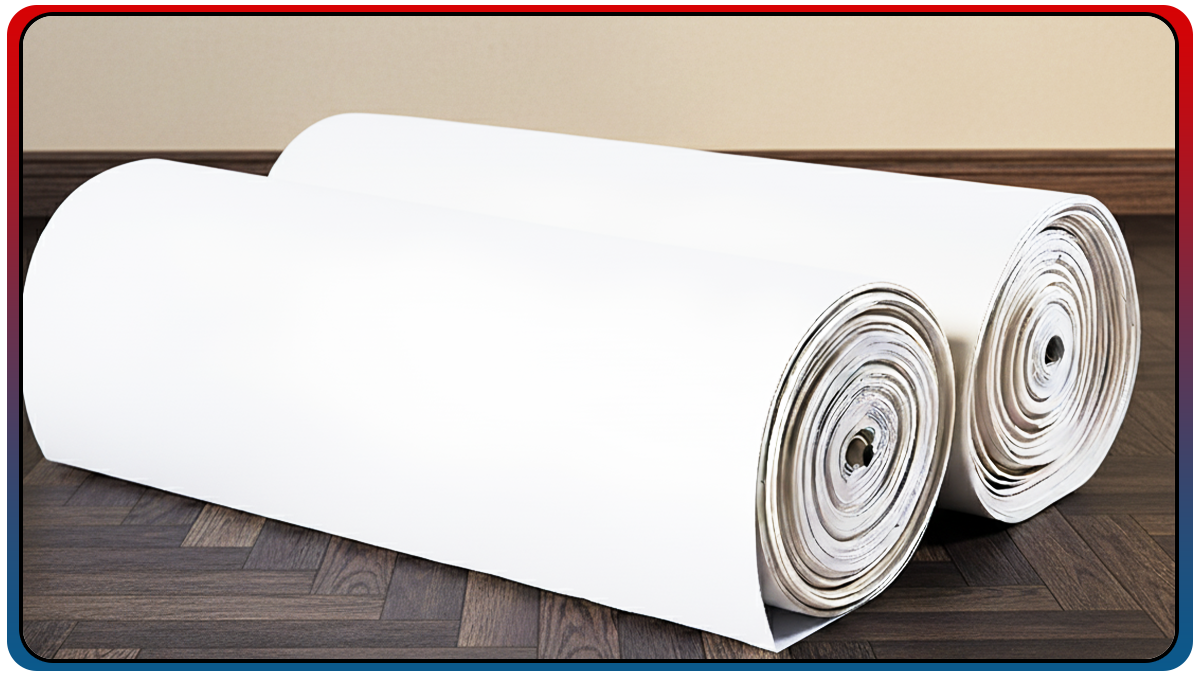
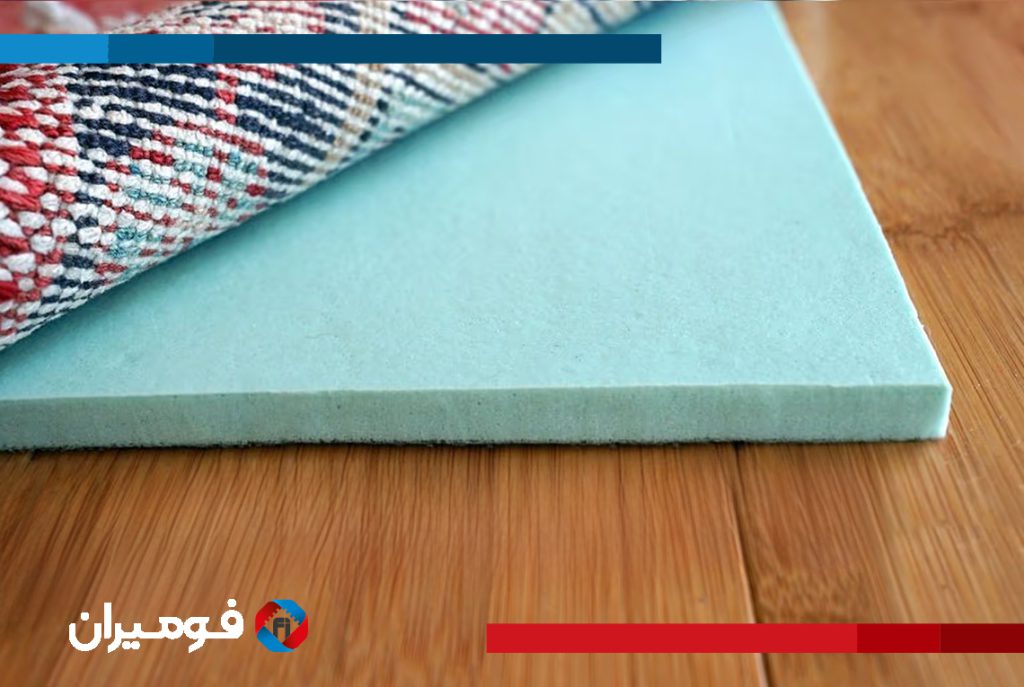
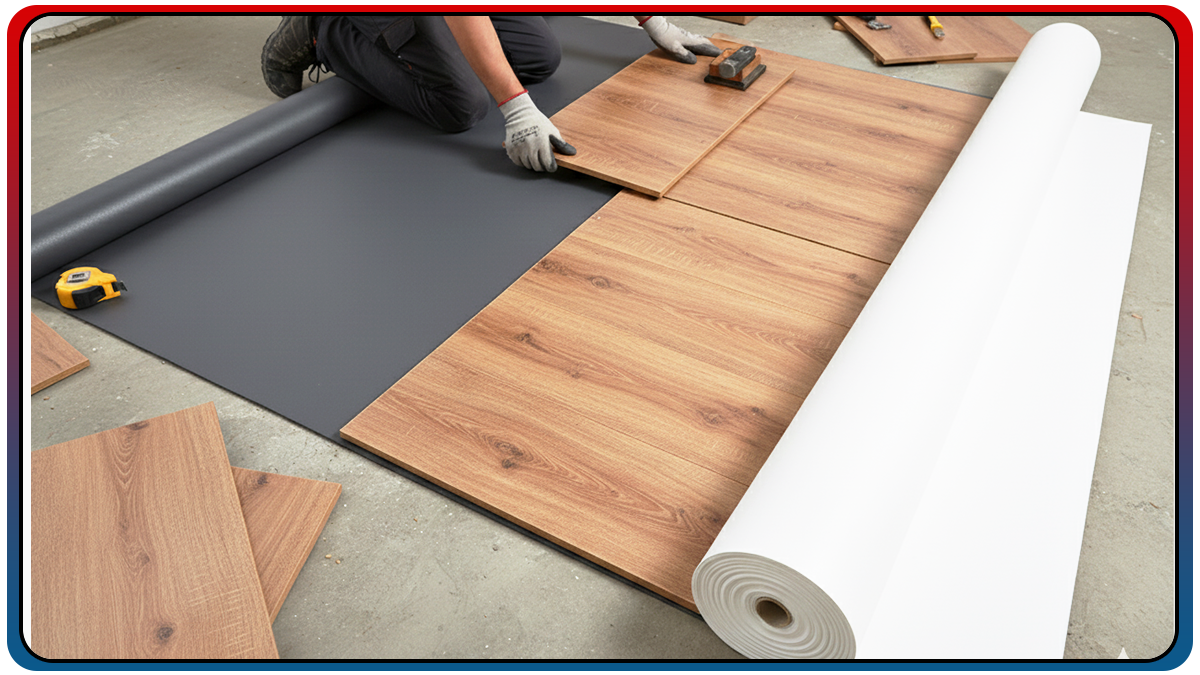
Under-rug foam is a lightweight and flexible foam layer placed between the rug and the ground surface. The main function of this foam is to create more friction between the rug and the floor and prevent unwanted movement of the rug.
However, the role of under-rug foam is not limited only to preventing slipping. These foams, as an intermediate layer, absorb the pressure applied by people’s weight and cause the rug to feel softer and more comfortable.
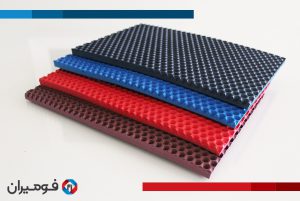
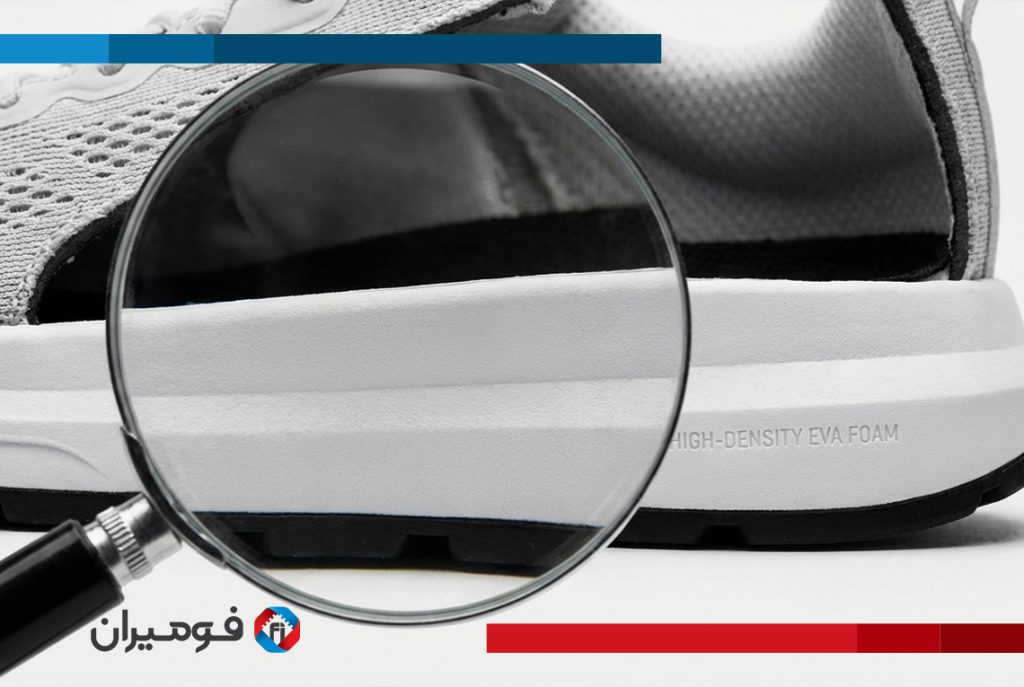
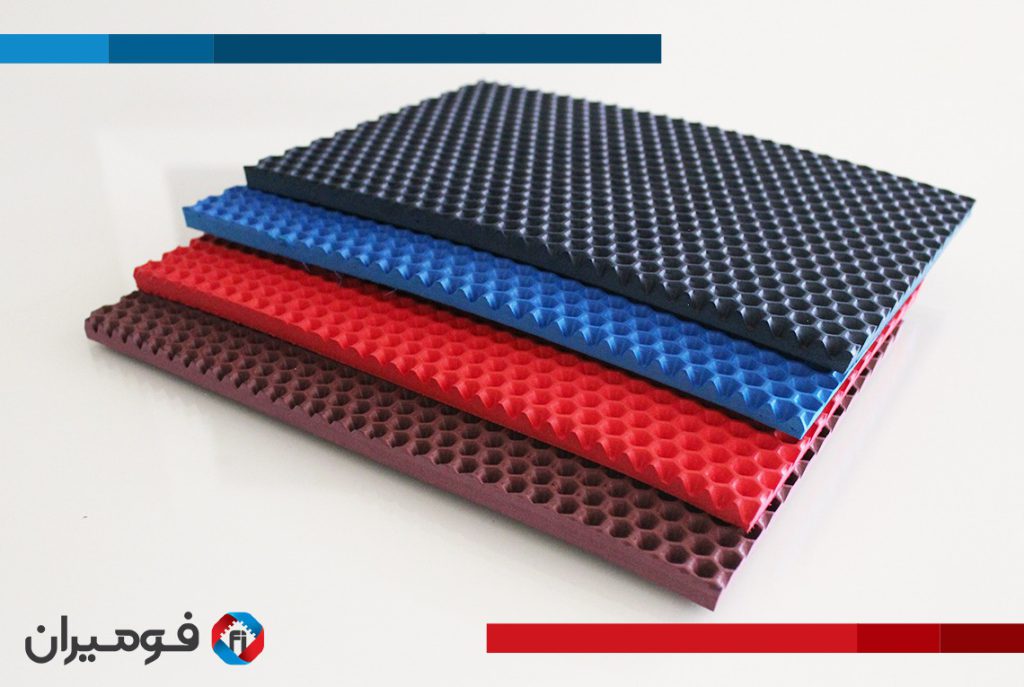
Under-rug foams are usually produced from materials like EVA foam, polyethylene foam, or compressed foams, which have both high durability and do not lose their shape against pressure.
❓ Question Box: Why Do Rugs Slip on Smooth Surfaces and How Does Foam Help?
Surfaces like ceramic, stone, parquet, and laminate are inherently smooth and slippery. When a rug is placed directly on these surfaces, it does not have enough friction to remain stationary. With the slightest foot movement or displacement, the rug begins to slide. Under-rug foam solves this problem by creating a semi-rough and flexible surface. On one side, it adheres to the floor, and on the other side, it engages with the rug’s backing. The result of this interaction is increased friction and prevention of sudden rug movement.
The Impact of Under-Rug Foam on Floor Softness
One of the important benefits of under-rug foam, which is usually paid less attention to, is the noticeable increase in the softness of the home floor. When a foam layer is placed under the rug, the pressure resulting from body weight is distributed uniformly across the floor surface, and this issue causes foot contact with the ground not to feel dry and hard. This feature has a greater impact, especially in homes where the floor is made of ceramic, stone, or parquet, creating a more comfortable feeling when walking.
The presence of under-rug foam causes walking on the rug to be softer and smoother, and less pressure is applied to the soles of the feet, knees, and back. Also, when a person stands on the rug for a long time or sits on the ground, the feeling of fatigue occurs later. This issue is very important for families who spend a lot of time on the rug or children who play on the ground. Therefore, under-rug foam is not just a solution to prevent slipping, but plays an important role in increasing daily comfort and ease in the home space.
The Role of Under-Rug Foam in Increasing the Safety of Children and the Elderly
In homes where children or the elderly are present, floor safety finds double importance. Rug slipping is one of the common causes of falling in the home’s interior space. Under-rug foam significantly reduces the likelihood of slipping by keeping the rug fixed. Furthermore, in the event of a child or elderly person falling, the foam can absorb part of the impact and lessen the severity of the injury. Therefore, in spaces such as children’s rooms, kindergartens, and nursing homes, using under-rug foam is a logical and preventive choice.
In What Spaces is Under-Rug Foam Most Applicable?
Using under-rug foam is useful in all homes, but in some spaces, its importance is greater and its effectiveness more noticeable. For example, in homes where the floor is made of ceramic or stone, the hard and slippery surface causes the rug to move easily and the likelihood of falling increases. The same issue exists in apartments with parquet or laminate flooring, because smooth and slippery surfaces without an intermediate layer do not create enough stability for the rug.
In spaces where children play, like children’s rooms or kindergartens and child care centers, the importance of using under-rug foam becomes twofold, because safety and preventing rug slipping in these environments is a necessity. Also, hallways and high-traffic spaces where many people pass through significantly increase safety and comfort by placing under-rug foam. In total, under-rug foam not only stops the rug from slipping but provides a greater sense of softness and comfort for people and improves the experience of living in the home.
Types of Foam Suitable for Under Rugs and Their Differences
Under-rug foams are produced in different types, each having its own specific features. EVA foam, due to high flexibility, suitable durability, and good resilience, is one of the common options for under rugs. Polyethylene foam is lighter and has good resistance against moisture. Compressed foams are also considered a suitable choice for spaces that need more stability. Choosing the type of foam depends on the space conditions, the amount of traffic, and your expectation of floor softness.
What Impact Do Thickness and Density of Under-Rug Foam Have on its Performance?
Two important factors in choosing under-rug foam are its thickness and density. Very thin foams might not have much impact on softness, while overly soft or thick foams can cause rug instability. A suitable foam must:
-
- ●Be thick enough to absorb impact
- ●
Have suitable density so it doesn’t get crushed under weight - ●
Return to its original state after pressure
Balance between these factors guarantees the ideal performance of under-rug foam.
Comparison of Under-Rug Foam with Other Common Methods to Prevent Slipping
In the table below, we have compared under-rug foam with some common methods:
Important Points in Choosing Quality Under-Rug Foam
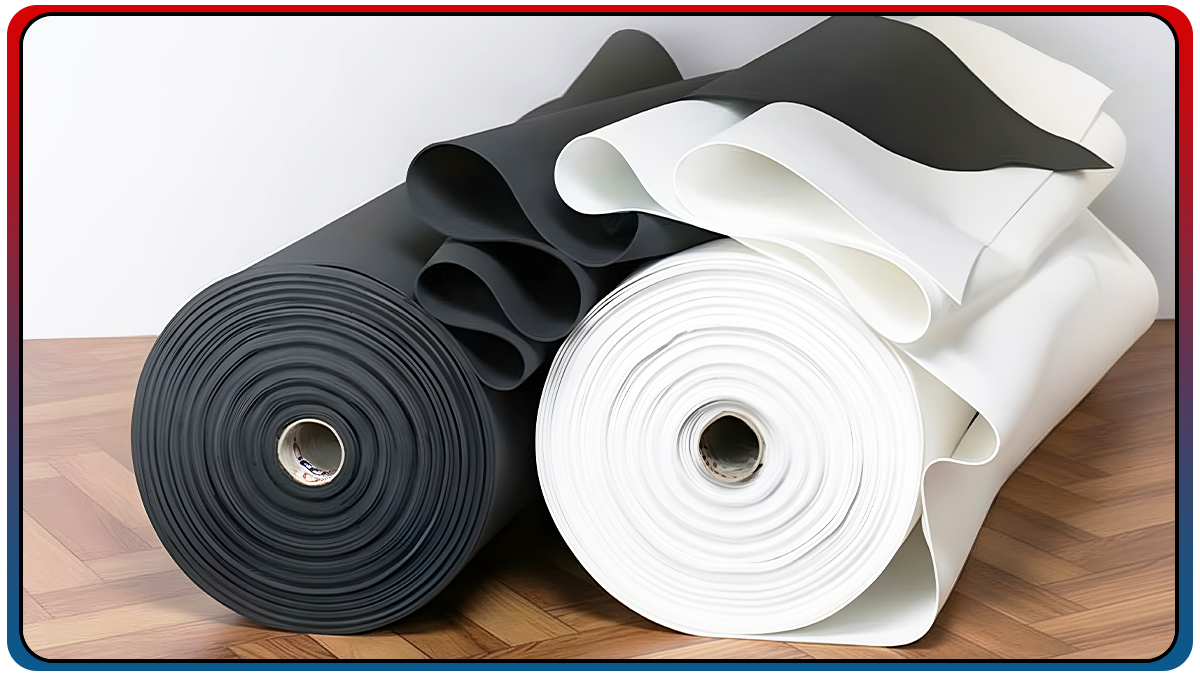
To choose a quality under-rug foam, several key features must be considered. First, it is important that the foam has no unpleasant odor so that long-term use does not cause discomfort or annoyance to family members. Furthermore, the foam must have sufficient resistance against pressure and not lose its shape so it can well maintain its performance in rug softness and stability. Another point is that the under-rug foam must sit well on all types of surfaces and not slide, to guarantee the safety of the interior space. Suitable durability and lifespan are also of high importance, because a foam that deforms or perishes after a short time will no longer be applicable. Generally, these features are observed in foams that are produced observing industrial standards and are suitable for home use and high-traffic environments.
❝
Foamiran CEO’s Statement
“Our experience in producing industrial foams has shown that a simple foam layer can have a huge impact on safety and the quality of daily life. Under-rug foam is an example of products that add the most sense of security and comfort to interior spaces with the least change.”
Conclusion
Under-rug foam is not just an extra layer. This foam can prevent rug slipping, increase the softness of the home floor, and raise the safety of family members. Whether in a small house or high-traffic spaces, using under-rug foam is a simple but effective choice.
A Reliable Choice with Foamiran
If you are looking for a reliable solution to increase the safety and comfort of your living space, choosing quality under-rug foam has great importance. Foams produced with industrial knowledge and suitable materials can have optimal performance for a long time and put your mind at ease regarding rug stability and softness.