EVA foam, short for Ethylene Vinyl Acetate, is a closed-cell thermoplastic material. It’s a type of polymer that has gained widespread use across various industries due to its unique properties. With its flexibility, impact resistance, and low weight, EVA foam is an excellent alternative to many traditional materials like rubber and PVC for producing a diverse range of products.
EVA foam is created through the copolymerization of ethylene and vinyl acetate. This process involves combining two different monomers (ethylene and vinyl acetate) to form a single polymer. The ratio of vinyl acetate in the mixture can vary, and this ratio significantly influences the final properties of the foam. A higher vinyl acetate content makes the foam softer, more flexible, and more resistant to cracking. These characteristics set EVA foam apart from other plastics like polyethylene and polypropylene.
Structure and Properties of EVA Foam
EVA foam consists of millions of tiny, independent cells that trap air. This closed-cell structure makes the foam waterproof and an excellent insulator. It also provides resistance to chemicals and solvents. Other key properties of EVA foam include:
- High Flexibility: The material bends easily and maintains its shape.
- Impact Resistance and Shock Absorption: EVA foam can absorb the energy from impacts, protecting products or individuals from harm.
- Thermal and Acoustic Insulation: It is effective at preventing the transfer of heat and sound.
- Lightweight: Its low density makes it ideal for products where weight is a critical factor.
- Non-toxic and Washable: The material is safe for use in hygiene products, sports equipment, and toys.
- Water and Moisture Resistance: Its closed-cell structure prevents it from absorbing water.
The EVA Foam Manufacturing Process
Producing EVA foam is a precise, multi-stage process that begins with combining raw materials. Here are the main steps in the process:
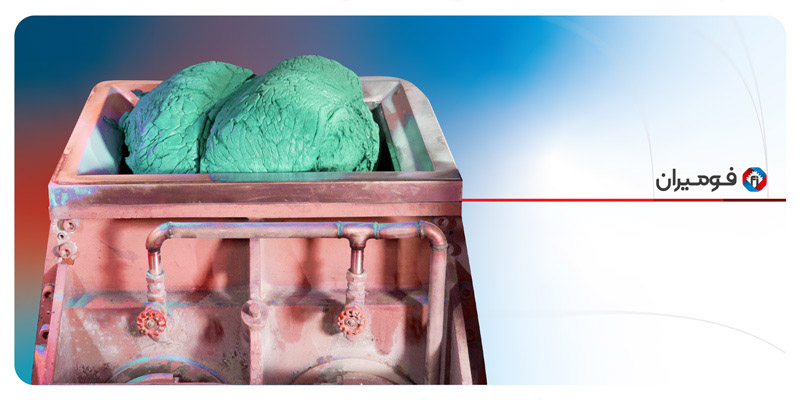
- Raw Material Preparation: In this stage, ethylene vinyl acetate granules are mixed with various additives, such as color pigments, blowing agents, and fillers. The blowing agents are crucial for creating the closed-cell structure and expanding the foam’s volume.
- Molding and Heating: The combined materials are then fed into specialized machinery where they are subjected to high pressure and heat. During this process, the materials blend uniformly, and the blowing agents are activated. This causes the materials to expand and form the cellular structure of the foam.
- Cooling and Cutting: After the heating phase, the foam is extracted in large blocks and cooled in a controlled environment. These blocks are then cut to the required thicknesses and dimensions. This step prepares the foam to be turned into the final sheets or rolls.
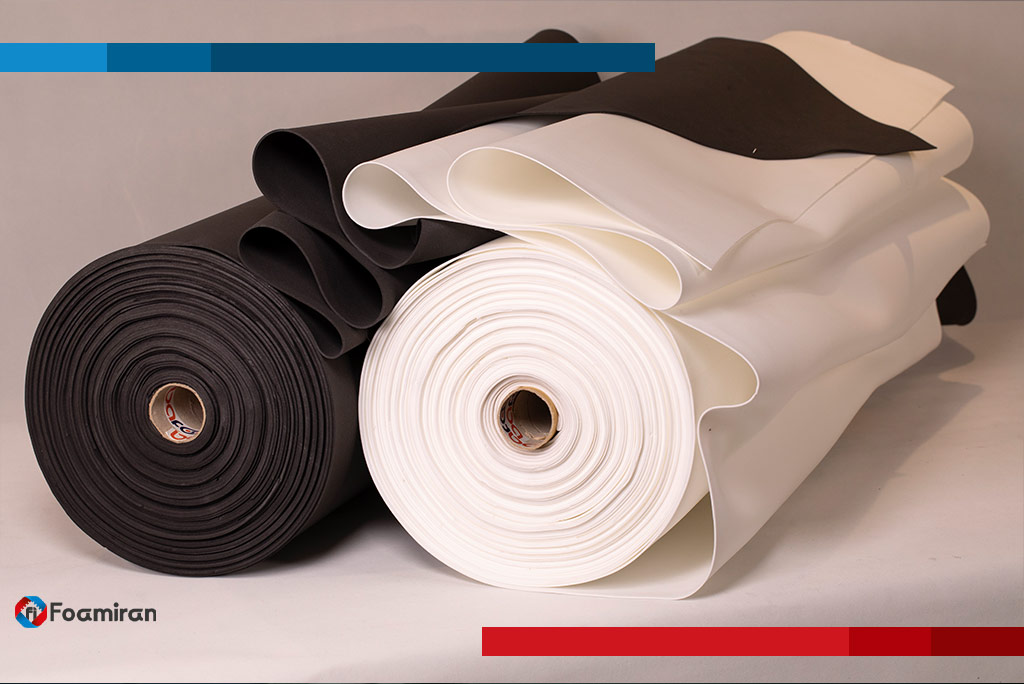
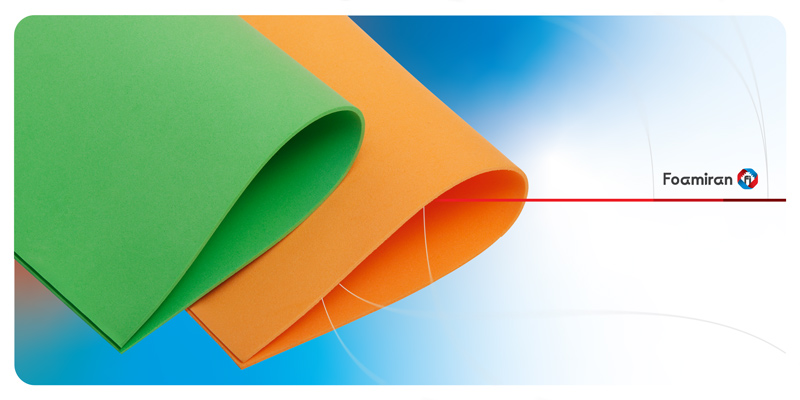
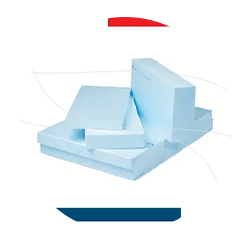
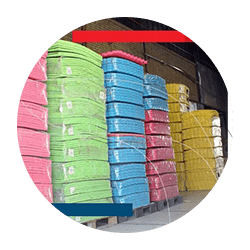
- Production of EVA Foam Sheets and Rolls: Once the foam blocks are cut to the desired thickness, these sheets are offered to the market as EVA foam sheets. If the final product needs to be in a roll form, the sheets are joined together to create what is known as an EVA foam roll. These rolls are suitable for applications that require long continuous lengths, such as sports flooring underlays or insulation.
EVA foam product introduction video
EVA Foam Thickness and Dimensions
Foamiran, as a reputable manufacturer, produces EVA foam in a wide range of dimensions and thicknesses to meet diverse customer needs. The thickness of the foam typically ranges from 1 mm to 50 mm and sometimes more. The standard dimensions for EVA foam sheets are usually 100×200 cm, but custom sizes can also be produced. EVA foam rolls are available in various widths (such as 100 cm or 150 cm) and custom lengths.
Applications of EVA Foam in Various Industries
Thanks to its unique properties, EVA foam is used in a wide array of industries. Here are some of its most significant applications:
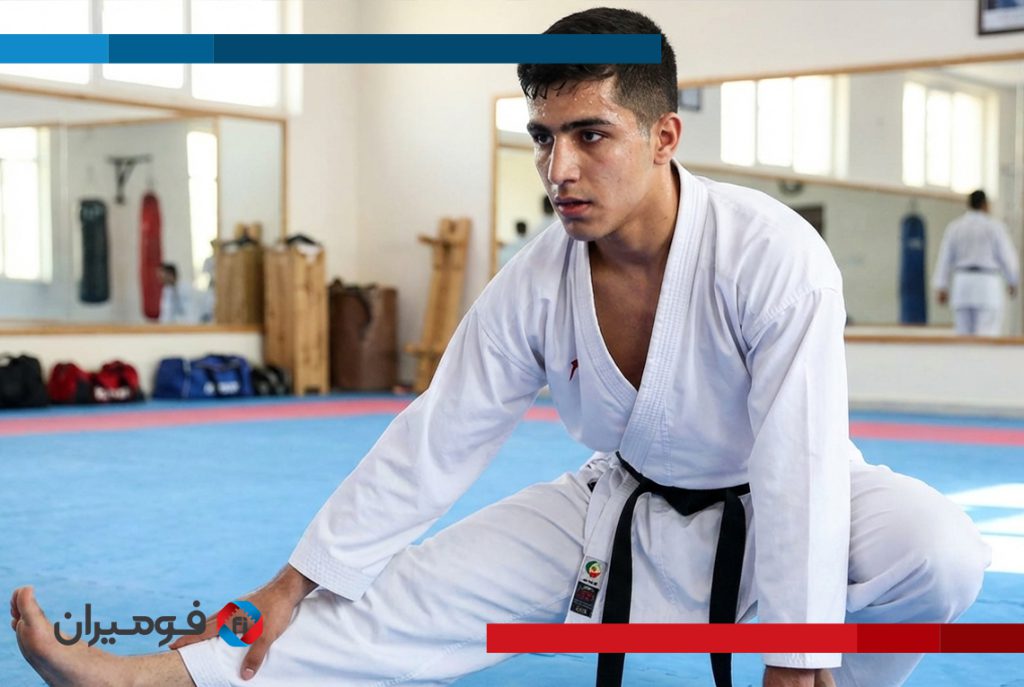
- Sports and Recreation: Used in gym mats, stadium flooring, tatami mats, flotation devices, and camping pads.
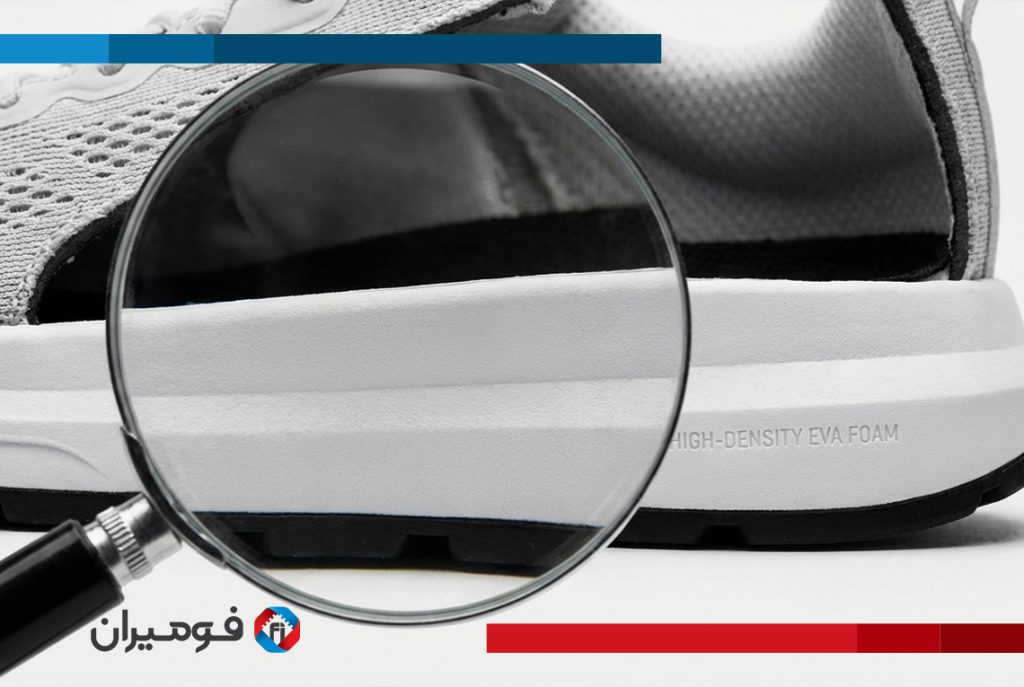
- Footwear Industry: Used to make soles for athletic shoes, sandals, and slippers due to its lightweight, comfort, and abrasion resistance.
- Packaging: Used to create protective foam inserts for packaging electronics, fragile items, and precision tools.
- Automotive Industry: Applied as thermal and acoustic insulation for vehicle roofs, floors, and doors, as well as in the production of interior car parts.
- Construction: Serves as thermal and acoustic insulation, sealant, and expansion joints in floors and walls.
- Medical and Healthcare Products: Used to produce orthopedic splints and braces, as well as disposable medical items.
- Toy Industry: Used to make foam toys, children’s puzzles, and kindergarten play mats. EVA foam is safe for children as it is non-toxic.
- Advertising and Decoration: Used for creating foam letters, signs, and decorative items.
Diverse Colors and Patterns of EVA Foam
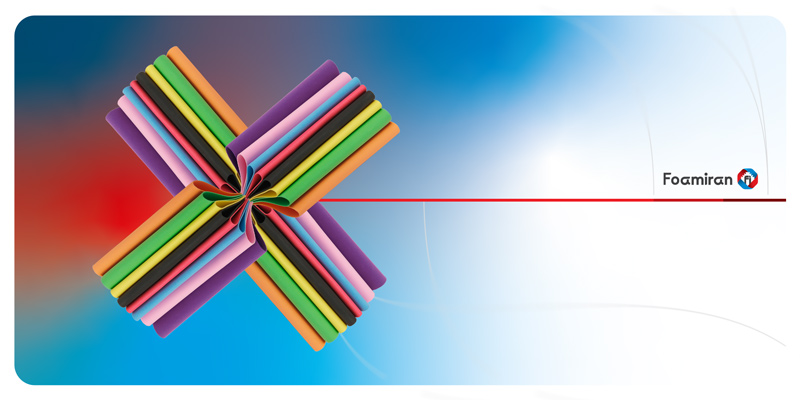
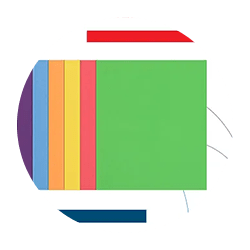
One of the great advantages of EVA foam is its ability to be produced in a variety of colors and patterns. This feature makes the material highly appealing for decorative and consumer products. Foamiran manufactures EVA foam in both standard and custom colors. Available colors include:
- Standard and Common Colors: White, black, gray, blue, red, yellow, green, orange.
- Vibrant and Child-Friendly Colors: Pink, turquoise, purple, and various mixed colors.
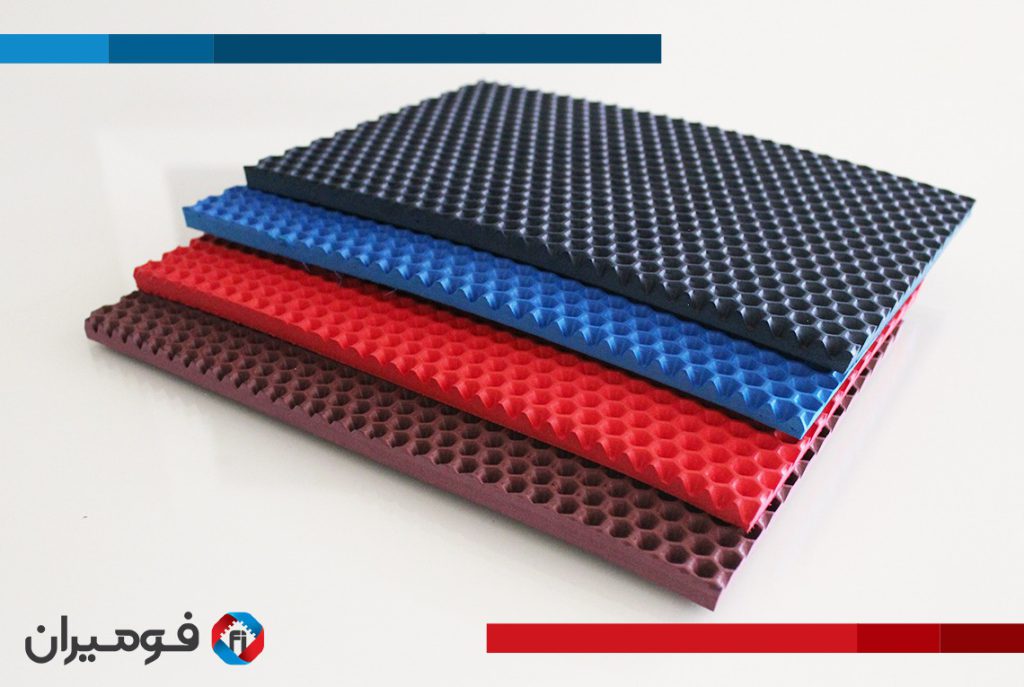
- Custom Patterns: The foam can also be produced with textured or smooth surfaces.
This variety of colors and patterns allows manufacturers to create visually appealing products that match their customers’ preferences.
Ordering EVA Foam from the Foamiran Factory
Foamiran, as one of the largest EVA foam manufacturers in Iran, provides the option for direct, factory-gate purchases. By buying directly from Foamiran, customers can benefit from competitive prices and guaranteed quality. Additionally, custom orders for specific dimensions, thicknesses, and colors are available. To place an order, you can contact the Foamiran sales team and specify your requirements.
What is EVA foam?
Ethylene vinyl acetate (also known as EVA) is the copolymer of ethylene and vinyl acetate. The weight percent of vinyl acetate usually varies from 10 to 40%, with the rest being ethylene.
It is a thermoplastic that is as soft as elastomeric materials. The material is glossy and clear, has low-temperature toughness, and is resistant to UV radiation, stress-cracking, and hot-melt adhesive waterproofing. EVA foam has a distinctive “vinegar” odor and competes with rubber and vinyl products in many electrical applications.
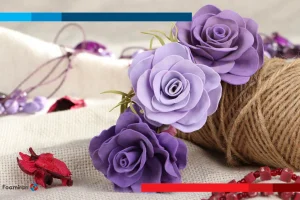
What is Flower Making Foam?
Applications
Hot melt adhesives, hot glue sticks, and top-of-the-line soccer cleats are usually made from EVA, usually with additives like wax and resin. EVA is also used as a clinginess-enhancing additive in plastic wraps. Craft foam sheets are made of EVA and these foam sheets are popularly used for children’s foam stickers.[1]
EVA is also used in biomedical engineering applications as a drug delivery device. The polymer is dissolved in an organic solvent (e.g., dichloromethane). Powdered drug and filler (typically an inert sugar) are added to the liquid solution and rapidly mixed to get a homogeneous mixture. The drug-filler-polymer mixture is then cast into a mold at -80°C and freeze-dried until solid. These devices are used in drug delivery research to release a compound slowly. While the polymer is not biodegradable within the body, it is quite inert and causes little or no reaction following implantation.
EVA is one material popularly known as expanded rubber or foam rubber. EVA foam is used for equipment padding in sports like ski boots, bicycle saddles, hockey pads, etc. It is typically used as a shock absorber in sports shoes, for example. It is used for manufacturing floats for commercial fishing gear such as purse seine (seine fishing) and gill nets. In addition, because of its buoyancy, EVA has made its way into non-traditional products such as floating eyewear. It’s used to encapsulate silicon cells for photovoltaic module production. EVA slippers and sandals are popular for their easy-to-form, odorless, and cheaper properties. In fishing rods, it is used to construct handles on the rod-butt end. EVA can be used as a substitute for cork in many applications.
EVA emulsions consist of a polyvinyl acetate (PVAc) copolymer that has vinyl acetate (VAM) as its base and is internally plasticized with vinyl acetate-ethylene (VAE). PVAc copolymers are adhesives used in packaging, textile, and bookbinding for bonding plastic films, metal surfaces, and coated paper, as re-dispersible powder in plasters and cement renders.
When making top-notch interior water-borne paints, VAE is an important component and makes up 53% of the dispersant.
The breaking down of EVA produces an ethylene vinyl alcohol (EVOH) copolymer.
| Application of EVA Foam | Description |
|---|---|
| Marine Equipment | Marine Equipment EVA foam sheets have very low density, allowing them to float on water and be used in marine equipment. |
| Toys | Toys EVA foams are available in various colors, making them suitable for manufacturing a wide range of toys. |
| Packaging | Packaging EVA foams are used for packaging many sensitive tools and equipment. Sports Equipment EVA foam is used in sports flooring, specialized yoga mats, and rollers. |
| Sports equipment | EVA foam is also used in sports flooring, back for yoga and roller. |
| Footwear and Bag Production | Footwear and Bag Production EVA foam is a good and suitable option for producing insoles for different types of shoes and bags due to its flexibility and high resistance. |
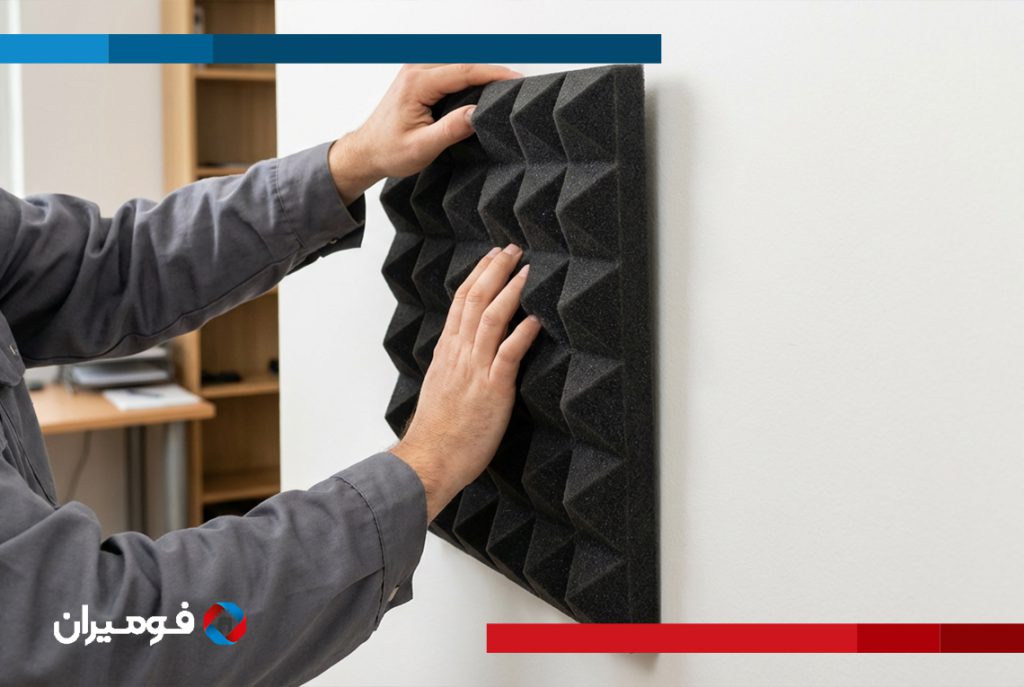
| Sound Insulation | Sound Insulation EVA foams are commonly used in constructing walls of sports halls, counseling and therapy rooms, and music practice rooms due to their sound-absorbing properties. |
| Kindergarten | Kindergarten EVA foam flooring and wall covering are used in such places to prevent injuries. |
| Medical Industry | Medical Industry EVA foams find applications in medical fields for orthopedics, splints, and other medical equipment. |
| Cleaning Industry | Cleaning Industry EVA foams are highly useful for equipment like cleaning sponges and mops. |
We suggest you read these articles as well
Frequently Asked Questions
How is EVA foam different from other foams?
Compared to other foams like polyethylene (PE) and polyurethane (PU), EVA foam offers superior flexibility, shock absorption, and weather resistance. It is also a safer choice for children’s products due to its non-toxic nature.
Is EVA foam waterproof?
Yes, due to its closed-cell structure, EVA foam is completely waterproof and does not absorb moisture.
Is EVA foam harmful to health?
No, EVA foam is a non-toxic material and is safe for use in healthcare products, medical applications, and toys.
Is EVA foam recyclable?
Yes, EVA foam is recyclable, although the recycling process can be more complex than that of other plastics.
How do I choose the right thickness for EVA foam?
The thickness you need depends on the final application. Thicker foam (e.g., 20 mm) is suitable for sports flooring, while thinner foam (e.g., 2 or 5 mm) is better for packaging or crafts.
Is EVA foam easy to cut?
Yes, EVA foam can be easily cut with simple tools like a utility knife or scissors. It can also be cut using laser cutting or water jet machines.
What is the minimum order quantity for purchasing from Foamiran?
For detailed information on the minimum order quantity, it’s best to contact the Foamiran sales team directly. Order conditions may vary depending on the product type and volume.