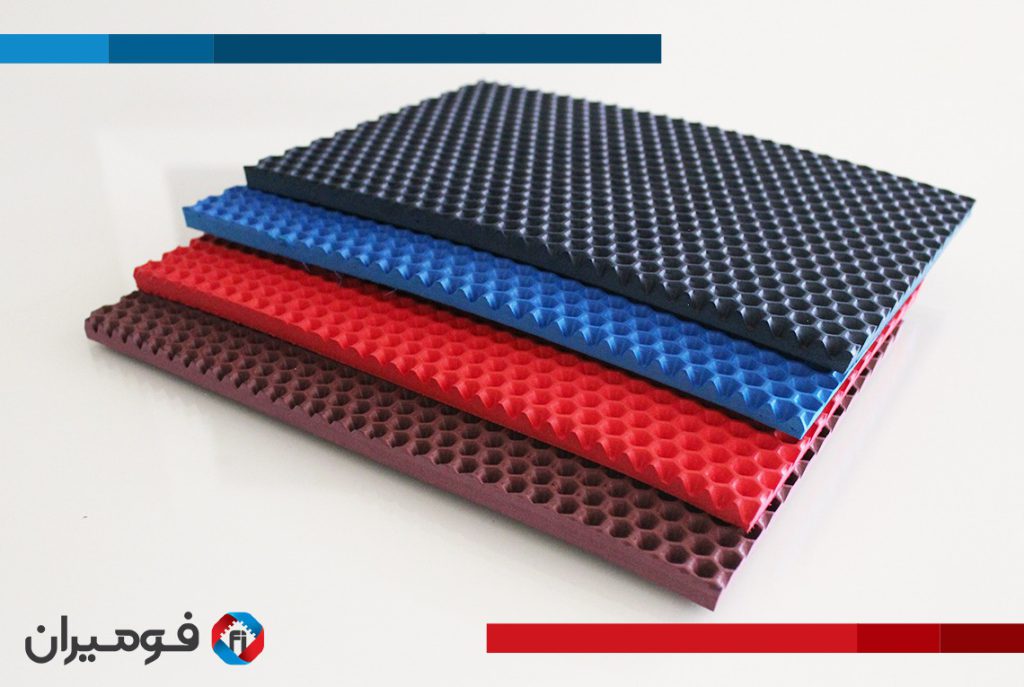
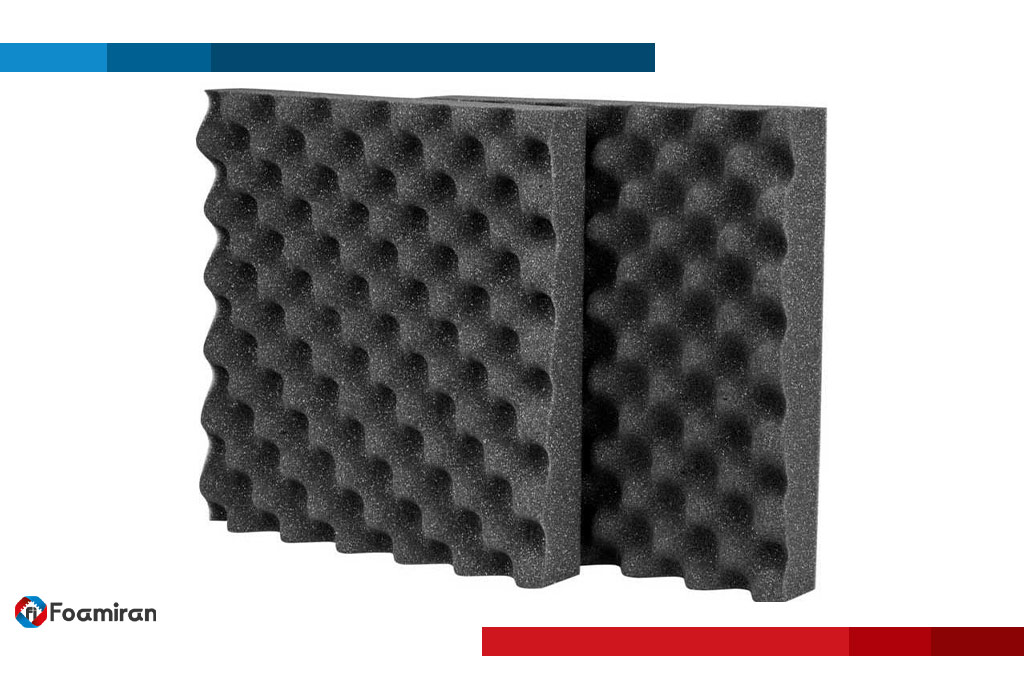
Egg crate foam is a popular type of foam distinguished by its wavelike or pyramidal surface design, resembling the structure of an egg carton. This unique shape is not just for aesthetics—it significantly enhances the foam’s functional qualities. The raised and lowered areas allow for better air circulation, pressure distribution, and sound absorption. As a result, egg crate foam is used in various industries including bedding, packaging, acoustic treatment, and medical support. It is commonly made from polyurethane or memory foam, available in different densities and thicknesses to suit specific applications. Its lightweight nature and customizability make it a versatile and economical solution. Whether enhancing comfort in mattresses or improving acoustics in studios, egg crate foam’s performance stems directly from its distinctive shape. In this article, we explore its properties, benefits, uses, and how to choose the right foam for a given purpose.
2. Key Characteristics of Egg Crate Foam
Egg crate foam is defined by its textured surface, which improves performance in both comfort and sound control applications. Made primarily from polyurethane, it is available in a range of densities, firmness levels, and colors. The shape enhances airflow, making it ideal for temperaturesensitive uses like bedding and cushioning. Its compressibility and light weight also contribute to easier installation and transportation.
The depth of the “craters” or peaks can vary based on application—shallow patterns are better for support, while deeper ones work well for sound dampening. It can also be cut or customized easily with standard tools. Additionally, it may be treated with flame retardants or antimicrobial coatings depending on industry requirements.
- Polyurethane Base
- Custom Thickness
- Lightweight
- Ventilated Design
- Easy Cutting
- Surface Texture
3. Benefits of Egg Crate Foam
Egg crate foam offers several important advantages, starting with improved comfort. The uneven surface allows for better pressure relief, making it ideal for medical cushions, seat pads, and mattress toppers. It also supports airflow, which helps with heat regulation and moisture control—particularly useful in bedding and healthcare environments.
Another key benefit is its acoustic performance. The peaks and valleys of the foam structure trap and absorb sound waves, making it a popular solution in recording studios, server rooms, or noisy industrial settings. It’s also an economical material, as its design enhances performance without requiring additional layers or materials.
Durability, flexibility, and ease of use round out its advantages. The foam can be rolled, stacked, or cut to fit custom applications, and it resists sagging or permanent deformation over time.
- Pressure Relief
- Temperature Control
- Sound Absorption
- Lightweight Build
- CostEffective
- Versatile Use
4. Common Applications
Egg crate foam finds widespread use across industries due to its functional shape and adaptability. In bedding and healthcare, it is used for mattress toppers, hospital bed pads, and wheelchair cushions where comfort and airflow are critical. The foam helps reduce pressure points and improve sleep or recovery conditions.
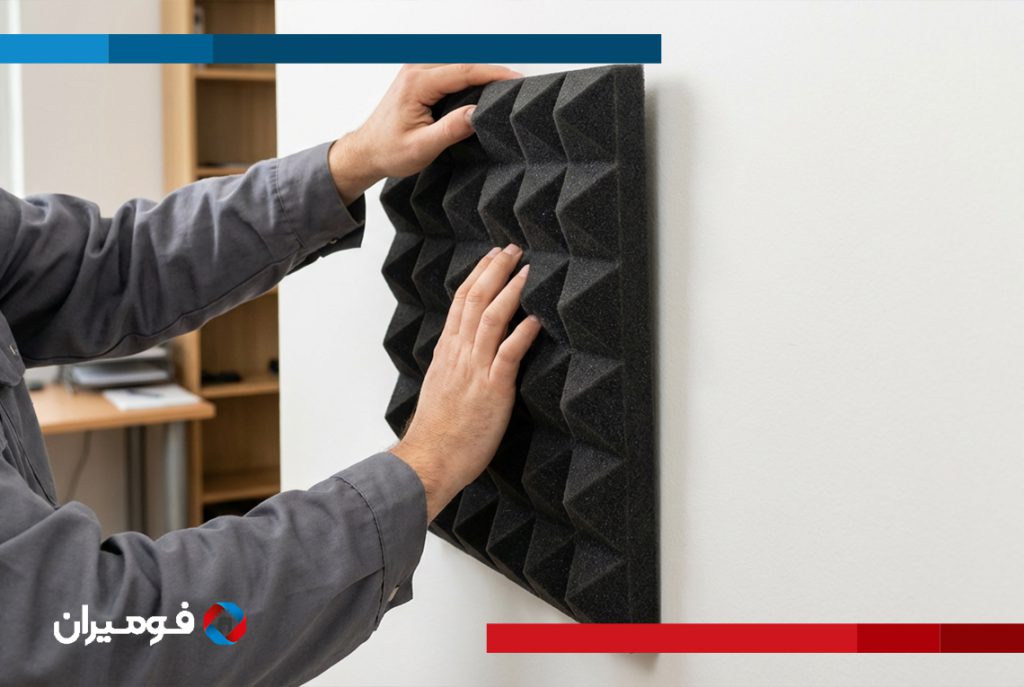
In acoustics, it serves as wall and ceiling panels in studios, offices, or control rooms to reduce echo and unwanted noise. For packaging, egg crate foam lines boxes to cushion delicate items during shipping, particularly electronics or instruments. It can also be found in pet beds, camping pads, and soundproofing kits for DIY users.
Its shape makes it naturally shockabsorbing and breathable, which extends to industrial, automotive, and even hobbyist use. It is also frequently used as an inner layer in protective cases for cameras, tools, or drones.
- Mattress Pads
- Hospital Cushions
- Acoustic Panels
- Shipping Inserts
- Tool Cases
- Pet Bedding
5. Considerations and Limitations
While egg crate foam is useful in many settings, it is not suitable for every situation. For example, very highpressure environments or heavy loads can compress the peaks permanently over time, reducing comfort or support. Lowerdensity versions may break down more quickly, especially in repeateduse scenarios.
Foam also degrades when exposed to UV light or certain chemicals unless specially treated. In acoustic settings, it may not be fireretardant by default, so safety certifications should be checked if used in enclosed or highheat spaces.
Also, while it enhances air flow, it may not be completely waterproof. In outdoor or humid environments, it might need a cover or protective layer to ensure durability. Color fading and material crumbling can also occur with age.
- Pressure Limits
- UV Sensitivity
- Chemical Exposure
- Fire Safety
- Water Resistance
- Aging/Fading
6. FAQs about Egg Crate Foam
Q1: Is egg crate foam good for mattresses?
A1: Yes, it improves comfort, reduces pressure, and allows for better airflow.
Q2: Can I use it for soundproofing?
A2: It helps absorb sound and reduce echo, especially in small rooms or studios.
Q3: How long does it last?
A3: Depending on usage and density, it can last 2–5 years with proper care.