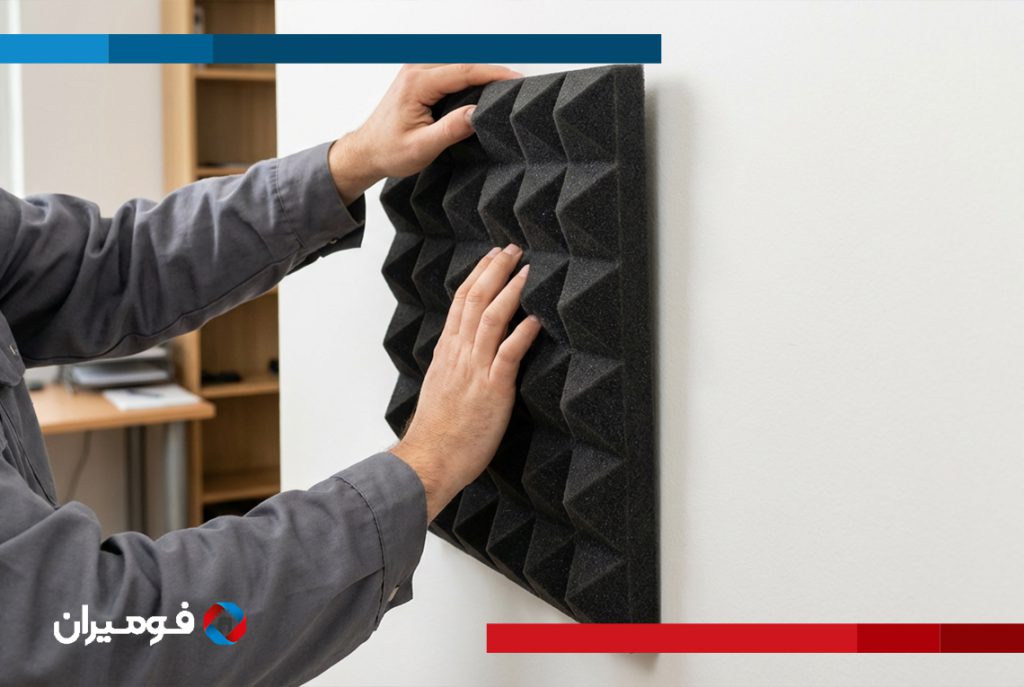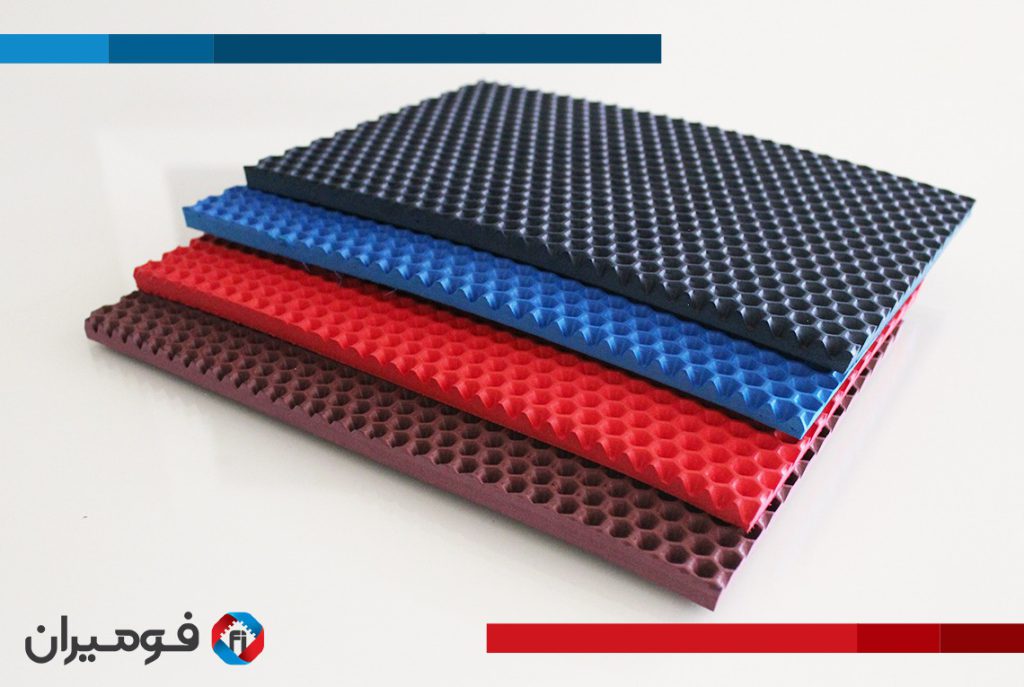
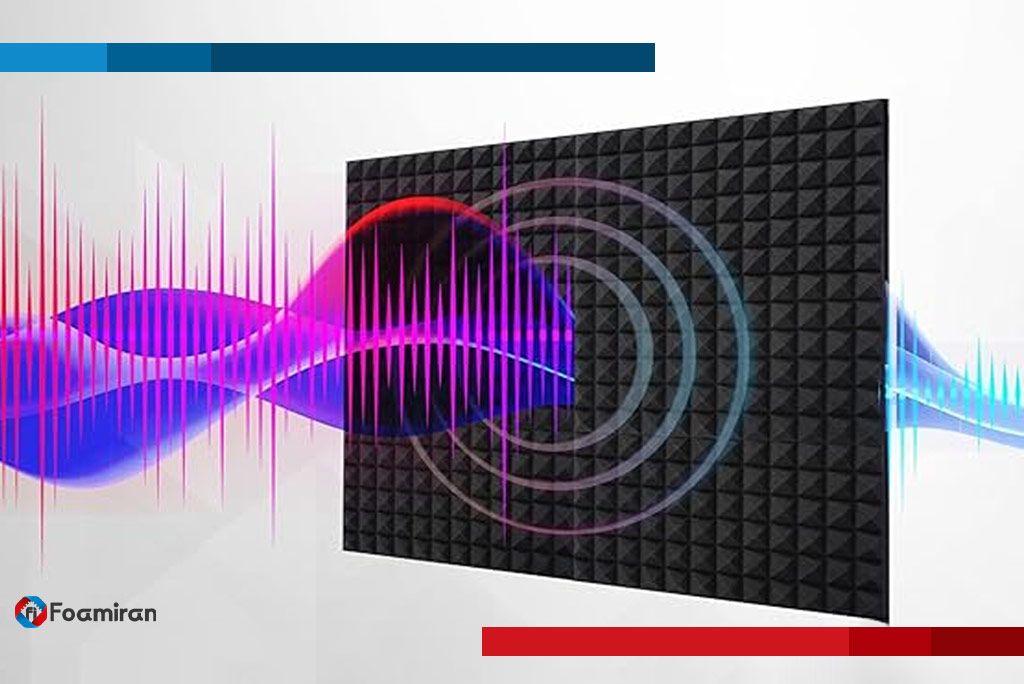
Acoustic foam is a specialized sound-absorbing material designed to improve the acoustic quality of enclosed environments. It works by reducing sound reflections, reverberation, and background noise. Unlike regular foam, acoustic foam is engineered with specific patterns—such as wedges, pyramids, or egg crate shapes—to maximize its surface area and absorb sound waves more efficiently. This type of foam is widely used in recording studios, offices, home theaters, and industrial settings where noise control is essential. Its lightweight structure, ease of installation, and customizable formats make it a preferred choice for both professionals and hobbyists. Whether mounted on walls, ceilings, or equipment panels, acoustic foam contributes to a cleaner, more controlled sound environment. In this article, we will explore its main properties, advantages, common uses, and essential considerations for selecting the right type of acoustic foam.
2. Characteristics of Acoustic Foam
Acoustic foam stands out due to its specialized structure and materials. It is commonly made from opencell polyurethane or melamine foam, which allow sound waves to enter and dissipate within the material. The foam’s surface often features geometric patterns that scatter and break down sound energy. Density, thickness, and shape play crucial roles in determining how much sound it can absorb and at what frequencies.
Most acoustic foams are fireretardant and available in various colors and sizes to suit different aesthetics and performance needs. They are also lightweight and easy to install using adhesives, clips, or peelandstick backing.
- OpenCell Structure
- Fire Retardant
- Geometric Surface
- Lightweight Build
- Custom Sizes
- Color Options
3. Benefits of Acoustic Foam
Acoustic foam provides a number of practical advantages in sound management. First and foremost, it reduces unwanted echo and background noise, creating a cleaner listening or recording space. This is crucial for musicians, podcasters, streamers, and content creators. In offices, it helps improve speech clarity and reduce distractions, contributing to better focus and communication.
The foam is also effective in reducing flutter echoes and standing waves that can distort sound. It is more affordable than structural acoustic treatments and requires no construction changes. Plus, it’s easy to apply or remove without damaging walls.
Additionally, acoustic foam can contribute to thermal insulation, albeit to a lesser extent. Some versions are also moistureresistant, making them suitable for humid environments.
- Echo Reduction
- Clearer Sound
- Easy Installation
- Cost Effective
- NonDestructive
- Optional Insulation
4. Applications of Acoustic Foam
Acoustic foam has a wide variety of uses, ranging from personal to professional spaces. In recording studios and control rooms, it is used to create precise sound conditions by reducing reflections and minimizing distortion. Home theaters benefit from foam panels that enhance audio clarity and immersion.
In commercial offices or call centers, acoustic foam is applied to reduce noise between workstations and improve overall productivity. The foam is also common in classrooms, rehearsal spaces, gaming setups, and streaming rooms to enhance voice clarity and reduce interference.
Industrial facilities install acoustic foam in machinery enclosures, server rooms, or soundproof booths to lower noise exposure and meet safety regulations. In transportation, it is used in cabs, aircraft interiors, and engine compartments to reduce cabin noise.
- Recording Studios
- Home Theaters
- Office Spaces
- Classrooms
- Machinery Rooms
- Vehicle Cabins
5. Considerations and Limitations
Despite its many benefits, acoustic foam has some limitations to keep in mind. It is designed to absorb mid to highfrequency sound, but is less effective for lowfrequency noise unless paired with bass traps. For complete soundproofing, acoustic foam must be used in combination with other materials like massloaded vinyl or dense barriers.
Another consideration is fire safety. While many acoustic foams are treated for fire resistance, not all meet the required codes for commercial buildings. Always check certifications before installation.
The foam can also degrade over time, especially in direct sunlight or humid environments. Adhesion methods matter too—lowquality adhesives may not hold panels in place longterm.
- Not Soundproof
- Limited LowEnd Control
- Fire Codes Matter
- UV Sensitivity
- Moisture Risk
- Adhesive Issues
6. FAQs about Acoustic Foam
Q1: Does acoustic foam block sound?
A1: No, it absorbs sound inside a room but doesn’t block external noise.
Q2: Where should I place acoustic foam panels?
A2: Key spots include behind speakers, at reflection points, and on ceilings.
Q3: Can I install it myself?
A3: Yes, most panels are lightweight and designed for easy DIY setup.