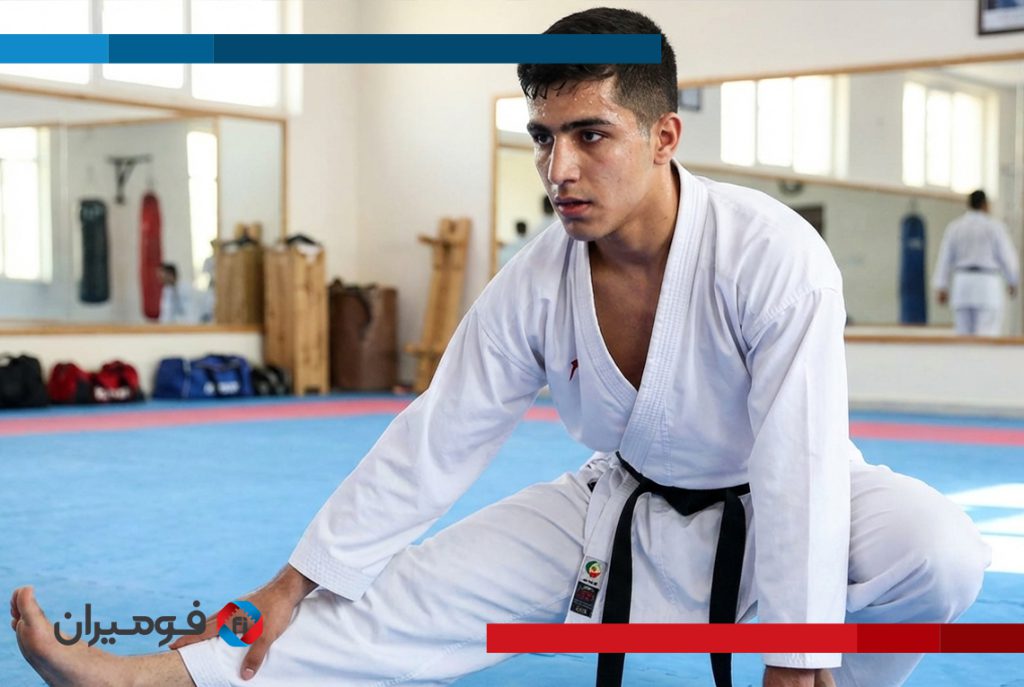
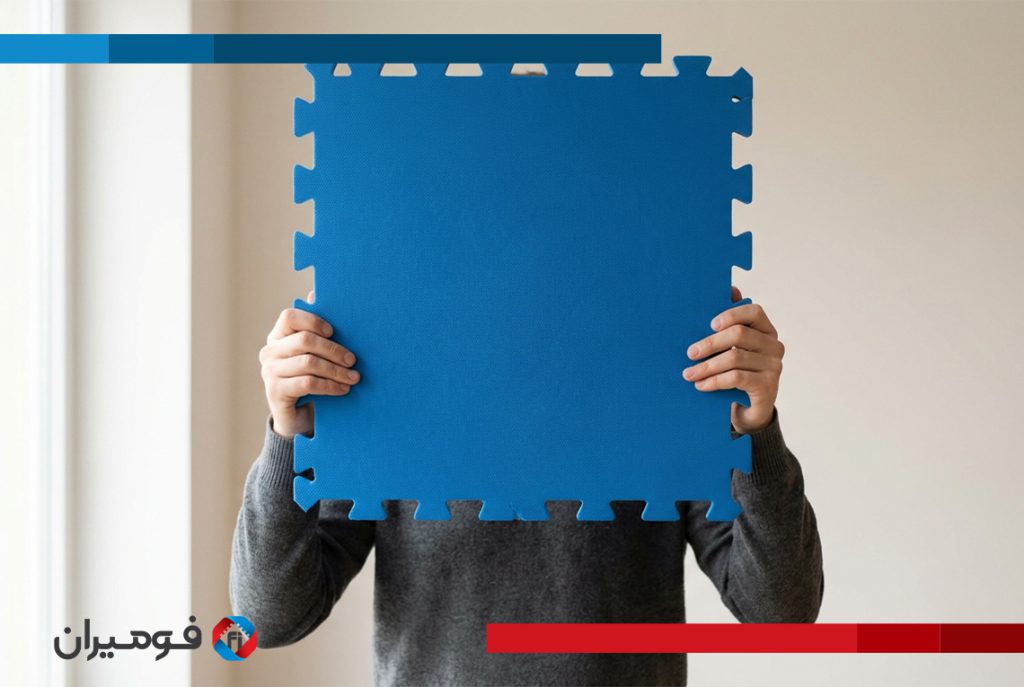
Tatami is one of those products that many recognize, but their knowledge is often limited to a specific image: the floors of martial arts clubs or training halls. Whereas if we look a bit closer, we see that Tatami has entered much more diverse spaces in recent years, and its role is not limited to sports alone. From kindergartens and playgrounds to home spaces, educational settings, and even some semi-industrial environments, Tatami has found its place as a safe and practical flooring.
The goal of this article is to explain simply and understandably, without exaggeration or promotion, exactly what Tatami flooring is, why it is used, what features it has, and what points should be considered when choosing and buying it. If you are to make a decision for a space, a correct understanding of Tatami helps you make a logical and lasting choice.
What is Tatami and why has it become so widely used?
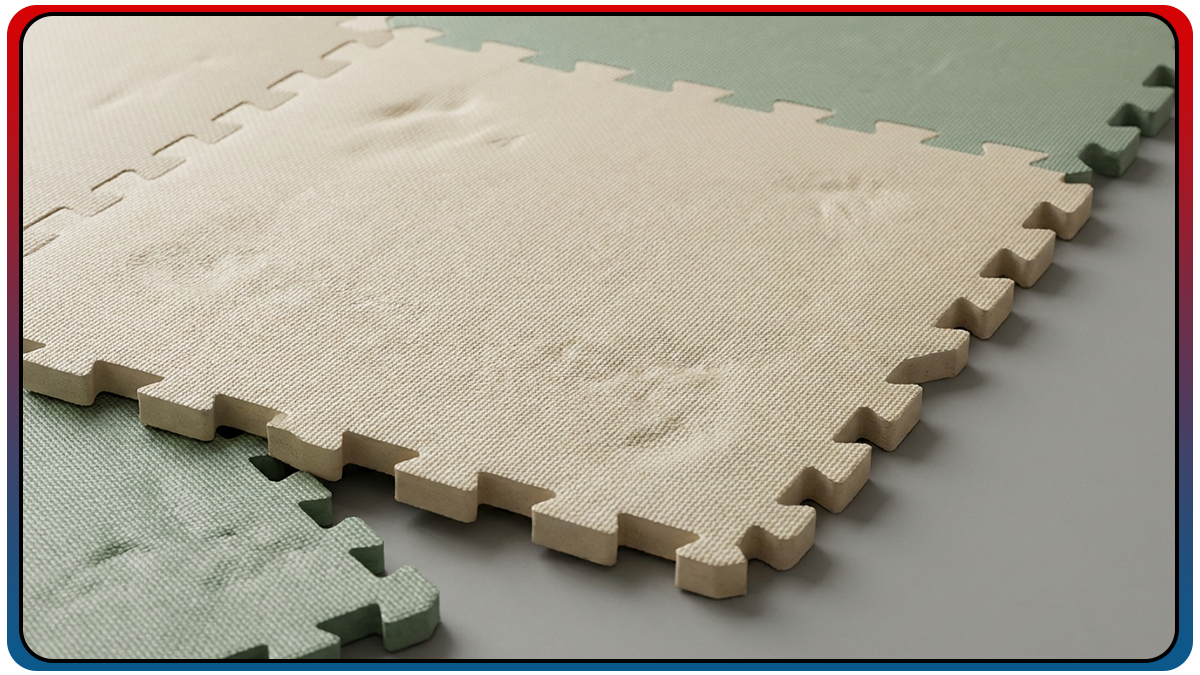
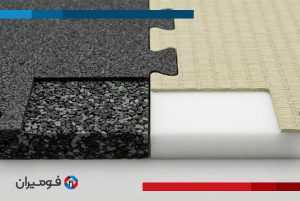
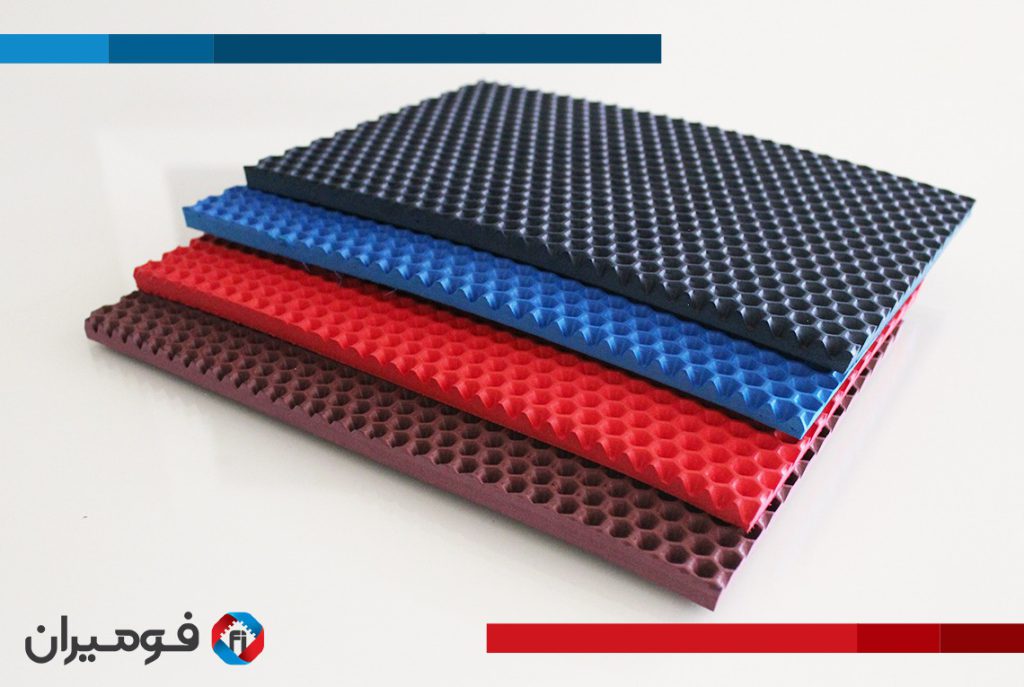
Tatami is a type of foam flooring produced as separate tiles or puzzle pieces that fit together. This structure makes installation simple, and if needed, it can be moved or collected. But the reason for Tatami’s popularity is not just easy installation.
❓ Why Tatami? Safety first!
The main reason for using Tatami is to create a soft and shock-absorbing surface. In spaces where people move, run, fall, or exercise, a hard floor can increase the risk of injury. Tatami plays an important role in increasing safety by absorbing shock and reducing pressure on the body. Alongside this, the uniform surface of Tatami makes movement on it easier and more controlled.
Tatami Material and the Role of EVA Foam in its Quality
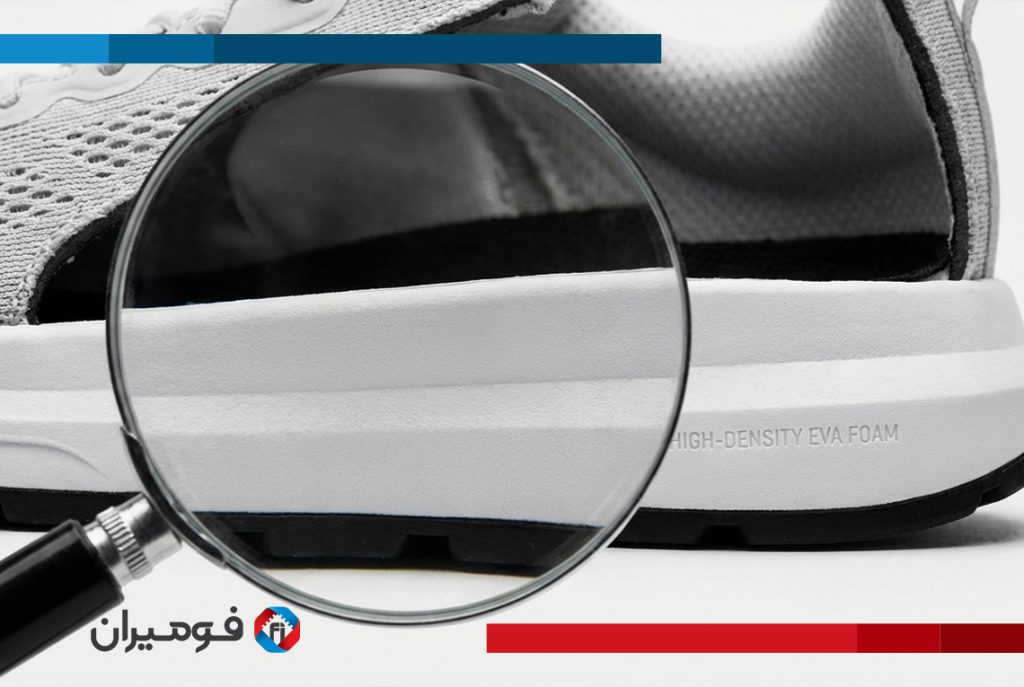
One of the most important parts of understanding Tatami is knowing its material. Foamiran Tatami flooring is produced from EVA foam, or Ethylene Vinyl Acetate. EVA is one of the most well-known foams in various industries, and the reason for this is the balanced combination of several important features within it.
Flexibility and Durability Combined
EVA foam is designed in such a way that it does not deform suddenly under pressure and impact and returns to its original state after use. This very property ensures that Tatamis produced from quality EVA do not suffer from settling or crushing over time.
Lightweight and Easy to Carry
EVA has a light weight, which makes transportation easier and also allows for hassle-free installation of Tatami in various spaces. This combination of features has turned EVA into an unrivaled choice.
Balance in Foam Density
Density determines how soft or hard the Tatami is. In Foamiran Tatamis, the density is adjusted to maintain a balance between softness and firmness; meaning shock absorption is excellent while the surface underfoot remains stable.
Applications of Tatami; Beyond the Sports Club
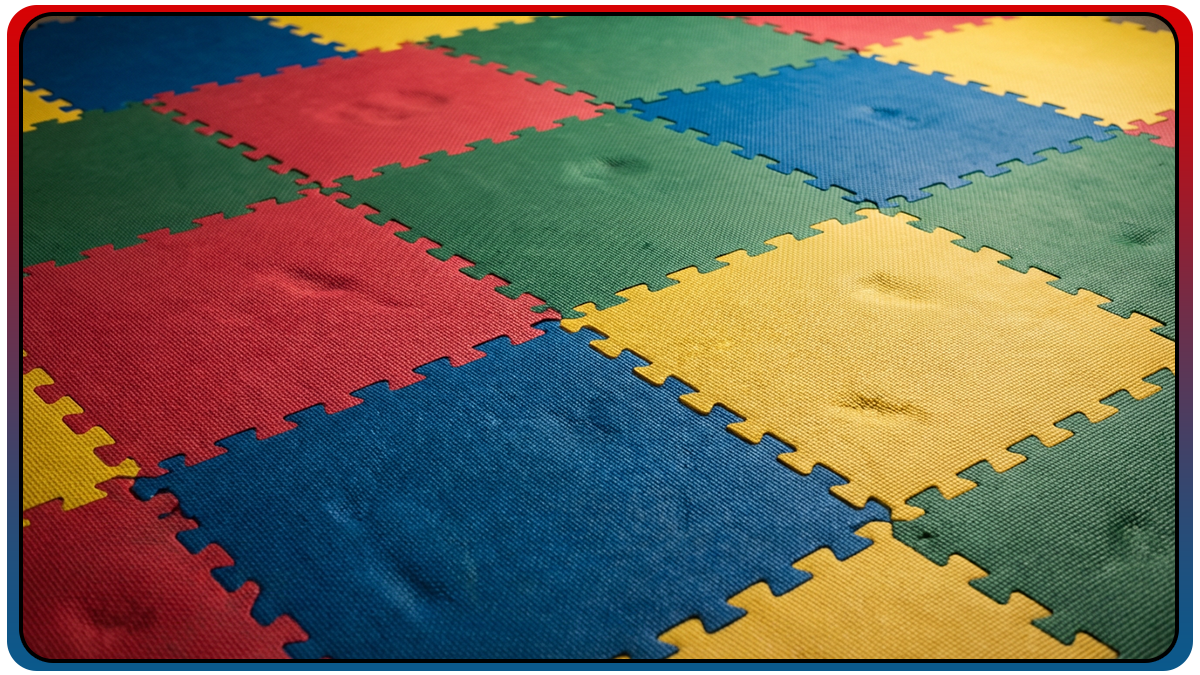
One of the common misconceptions is that sports flooring is considered exclusive to gyms. While its range of application is much wider:
- •Sports Clubs: In martial arts, bodybuilding, yoga, and aerobic halls, Tatami plays a direct role in athlete safety and reduces the pressure caused by jumping and training.
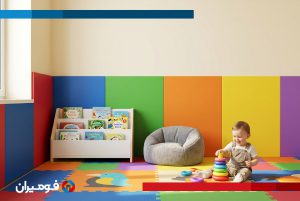
- •Kindergartens and Child Educational Spaces: Safety is the main priority. By creating a soft surface, Tatami minimizes the risk of injury when children crawl and fall.
- •Home Spaces: Easy installation and the ability to be collected have made Tatami an ideal option for use in a child’s playroom or home workout space.
- •Public and Semi-Open Spaces: In parks and multi-purpose halls where Tatami is subject to continuous use, the quality of the foam and its durability become doubly important.
Comparative Table of EVA Foam Tatami vs. Other Floorings
To better understand the position of Tatami, we have compared its features with hard flooring and carpet:
Hidden Benefits: Sound and Thermal Insulation
One of the features that usually receives less attention is the insulating property of Tatami flooring. Knowing these features helps you make a smarter choice:
High Durability and Longevity
- ✔ Raw Material Quality: Using high-quality EVA and a controlled production process results in a long useful life.
- ✔ Easy Maintenance: With regular cleaning and preventing contact with sharp objects, it can be used for years without quality degradation.
Practical Insulation
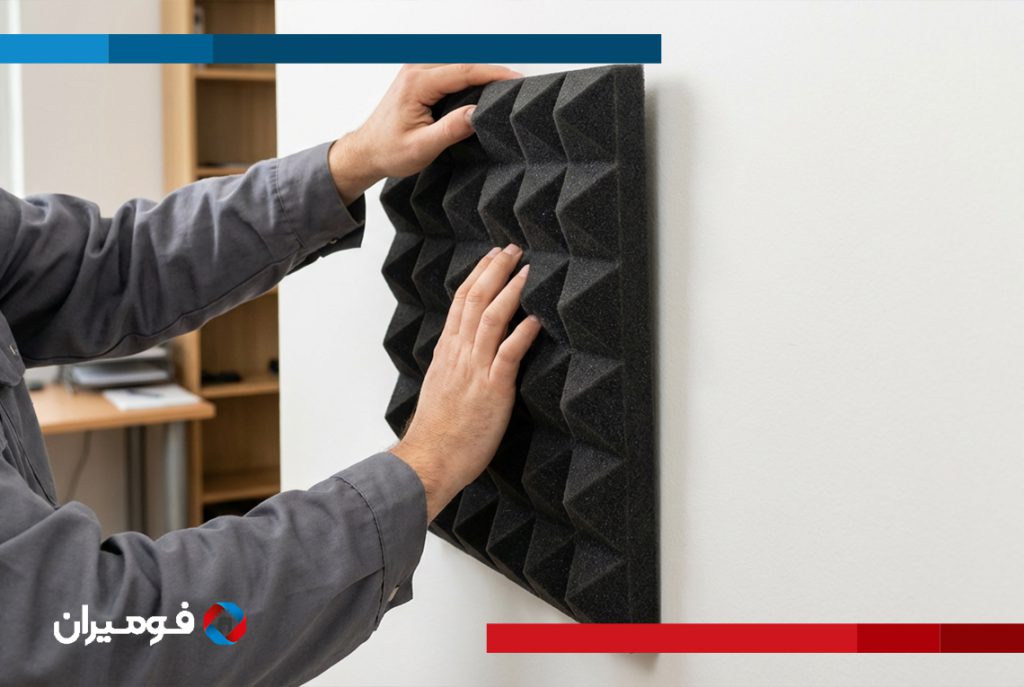
- ✔ Sound Insulation: The dense foam structure largely prevents the transmission of impact sound and movement.
- ✔ Thermal Insulation: It prevents direct contact with the cold floor, which is especially important for children.