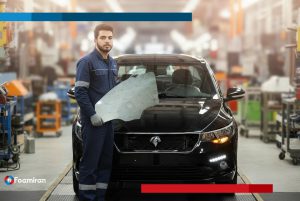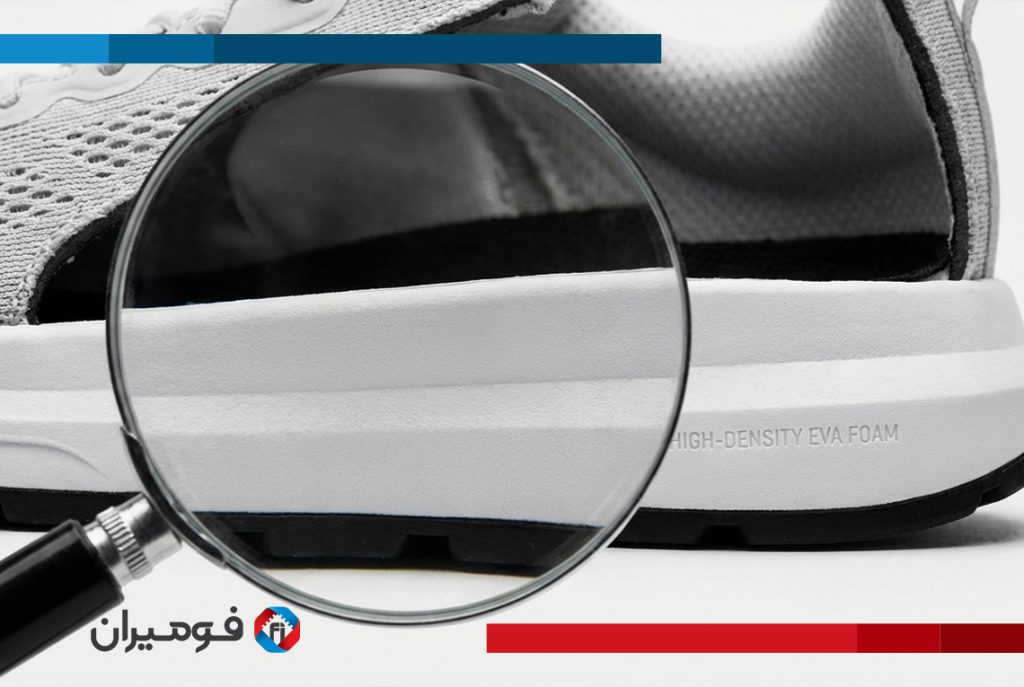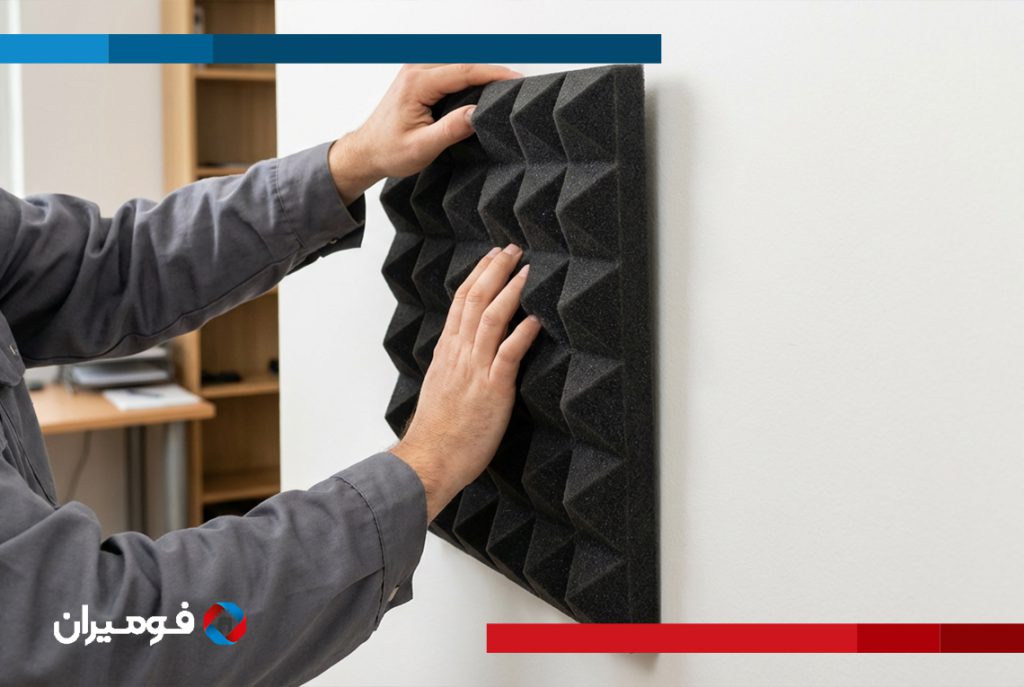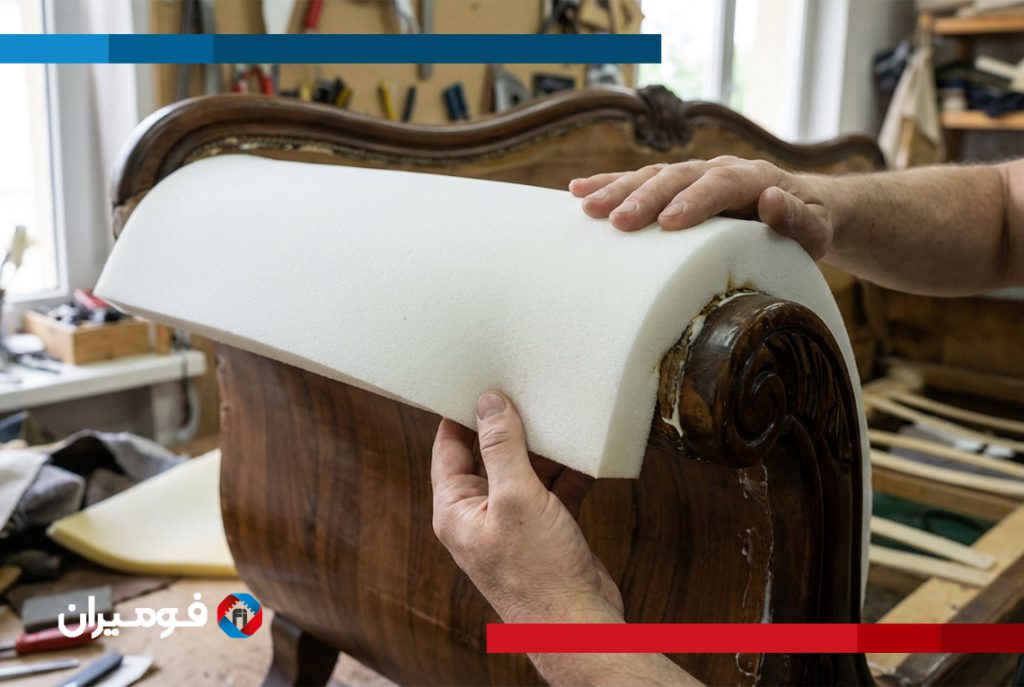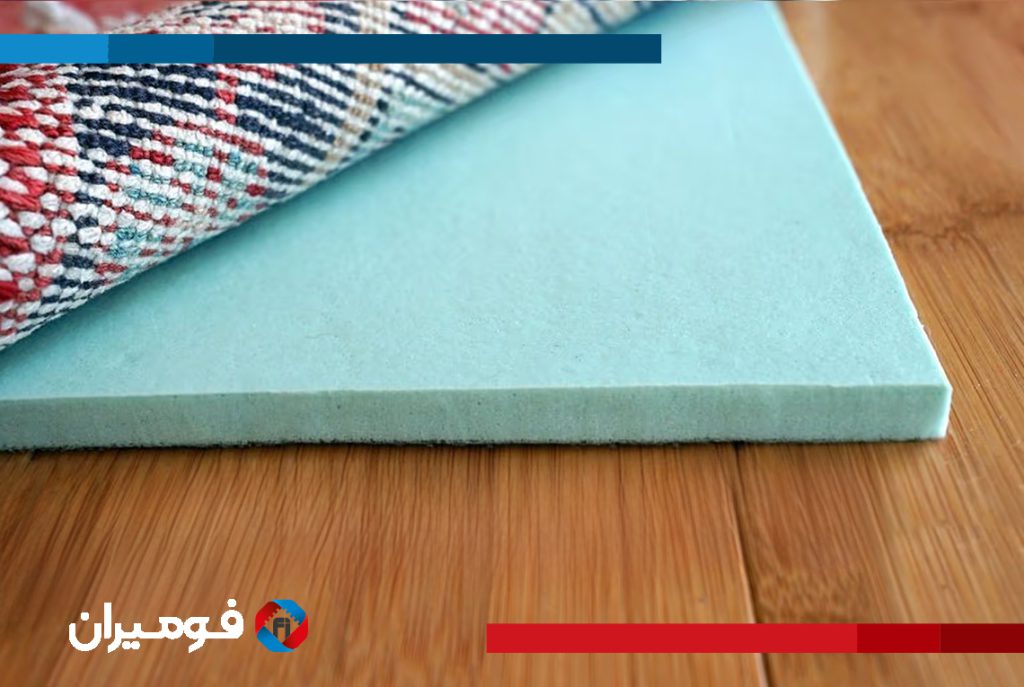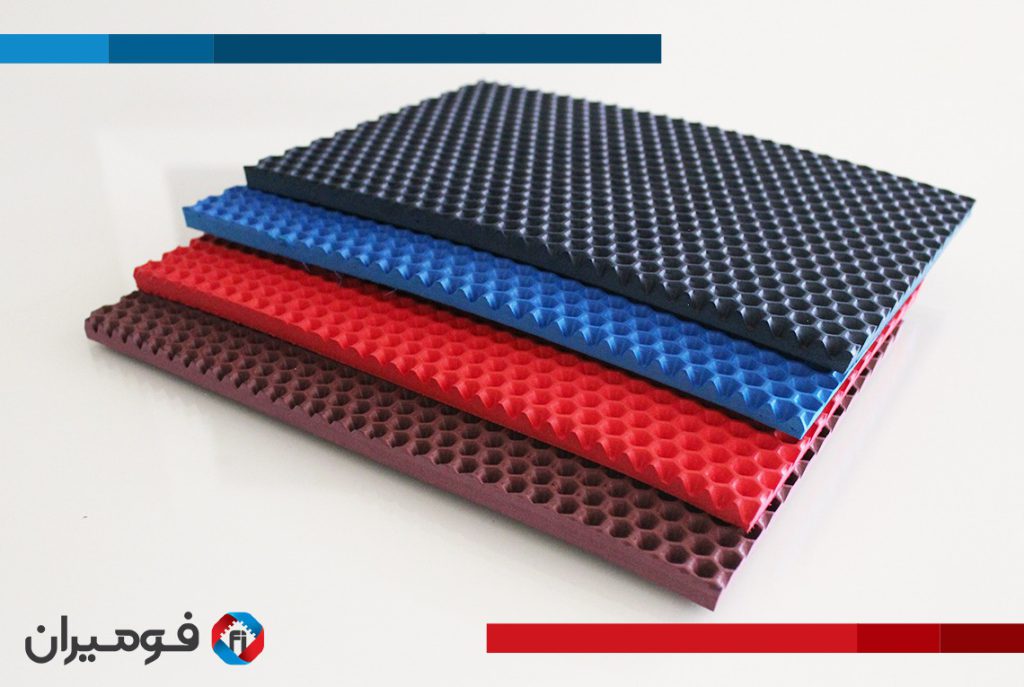
Elastic foam in the transportation industry, as an advanced polymer material based on Ethylene-vinyl acetate copolymer (EVA), plays a key role in increasing safety, reducing vibration, and improving vehicle efficiency. This foam, with unique features such as high elasticity, shock absorption, and acoustic/thermal insulation, is widely used in train wagons, subways, and automobiles. Vibration and NVH (Noise, Vibration, Harshness) tests have shown that elastic foam in the transportation industry can reduce repetitive vibrations by up to 50% and significantly increase passenger comfort. With the increasing demand for sustainable and efficient transportation, choosing elastic foam as a lightweight, durable, and moisture-resistant solution is an engineered option.
Why is elastic foam essential in the transportation industry?
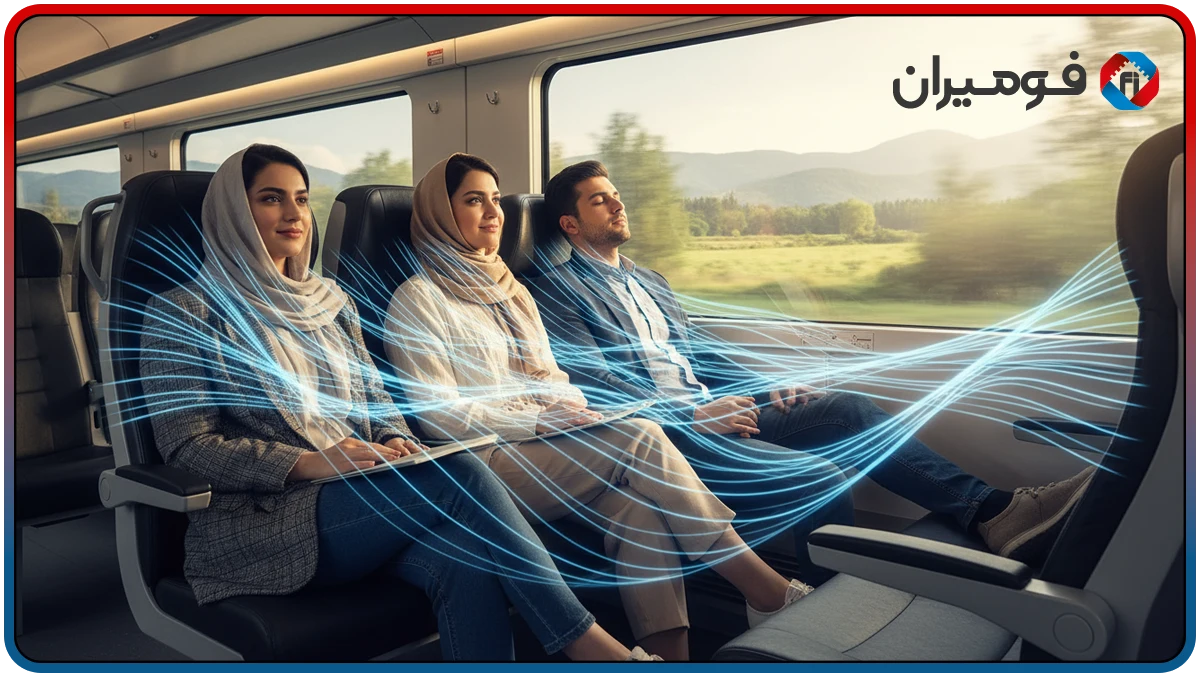
Elastic foam in the industry is known as a key material due to its superior mechanical properties, such as high resilience and resistance to dynamic pressures. In rail and road vehicles, vibrations caused by movement, point impacts, and thermal fluctuations can lead to material fatigue and reduced safety. Elastic foam prevents damage to the vehicle structure and increases its lifespan by absorbing these energies. Additionally, in high-traffic environments like subways, it plays an important role in reducing noise and maintaining internal temperature, which directly affects passenger satisfaction.
Anatomy of elastic foam: structure and features
Elastic foam in the transportation industry is usually made of EVA with a closed-cell structure, which provides dimensional stability, abrasion resistance, and shock absorption capability. The elastic layers of this foam are designed with variable density (from 30 to 150 kg/m³) to create a balance between softness and hardness depending on the application. If needed, laminated covers such as felt or fabric are added to increase friction and prevent slipping. The closed-cell nature of elastic foam in the transportation industry eliminates moisture penetration and makes it ideal for harsh environmental conditions such as humid rail tracks.
Selection of density and thickness of elastic foam
The selection of density and thickness of elastic foam in the transportation industry is determined based on dynamic load, vehicle speed, and type of application. For high-speed train wagons, higher density (80–120 kg/m³) and thickness of 10–30 mm are recommended to damp severe vibrations. In urban subways with frequent traffic, medium density (50–80 kg/m³) and thickness of 15–25 mm create a suitable balance between comfort and durability. This engineered selection, based on ISO standards such as ISO 3386 for compression testing, guarantees optimal performance.
Suggested materials for elastic foam
In the production of elastic foam in the transportation industry, EVA foam sheet is used as the main base, which offers high elasticity and chemical resistance. For heavier applications, combining with Compressed foam (EVA/PE blend) is recommended to improve stress distribution. Also, T foam is added for damping layers to increase vibration absorption (NVH). These closed-cell materials make elastic foam in the transportation industry a resistant option against water, UV, and chemicals.
Manufacturing process and installation method of elastic foam
At Foamiran, the production process of elastic foam in the transportation industry is carried out with a focus on precision and speed. For high volumes, Die-cut machines are used, which guarantee uniform and fast cuts. In more complex cases, cutting is applied with CNC or Waterjet so that edges are prepared without thermal distortion and with high precision, which increases compatibility with wagon structures.
In the installation stage of elastic foam in the transportation industry, various methods are employed based on environmental needs. The simplest method is using industrial adhesive backing, which enables fast installation on assembly lines. For greater durability in metal wagon structures, installation with screws and threads along with wide washers is suggested to increase resistance against vibration and impact. This flexibility makes elastic foam in the transportation industry compatible with all types of rail and road vehicles.
Technical specifications of elastic foam in the transportation industry
Testing and quality control of elastic foam in the transportation industry
To ensure the performance of elastic foam, compression tests (ISO 3386), vibration tests (ISO 2631), and thermal/humidity cycles (ASTM D3575) are conducted. If the shock absorption rate is low, it is corrected by adjusting the density or adding reinforcement layers. The closed-cell nature of elastic foam in the transportation industry confirms stability in harsh environmental conditions and reinforces its role in transportation safety.
Why is Foamiran a reliable choice for elastic foam production?
Foamiran, with over two decades of experience in producing engineering foams in Iran and the Middle East, is a leader in supplying elastic foam. Utilizing advanced technologies such as Die-cut, CNC, and Waterjet, Foamiran is capable of designing and custom manufacturing elastic foam for train wagons, subways, and automobiles. Cooperation with the rail and automotive industries offers precise solutions for shock absorption, insulation, and weight reduction.
All processes at Foamiran are in accordance with ISO 9001:2015 (Quality), ISO 14001 (Environmental), and ISO 45001 (Safety) standards. Flagship products like EVA foam sheet for elasticity and Compressed foam for stress distribution are examples of Foamiran’s commitment to quality in elastic foam in the transportation industry.

❓Frequently Asked Questions
Is elastic foam in the transportation industry waterproof?
Where else is elastic foam in the transportation industry used?
Is elastic foam in the transportation industry resistant to abrasion?
Is elastic foam in the transportation industry suitable for harsh environmental conditions?
What are the benefits of elastic foam in the transportation industry for train wagons?

fill out our contact and telephone consultation form right now!”